After hotel pickup in Hanga Roa, you're driven to the Ahu Vinapu ceremonial complex. The ceremonial center of Vinapu includes one of the largest ahu in Rapa Nui. This ceremonial center has an extraordinary platform, which stands out for having an architectural structure composed of large slabs carefully wedged, similar to the Inca constructions of Cusco.
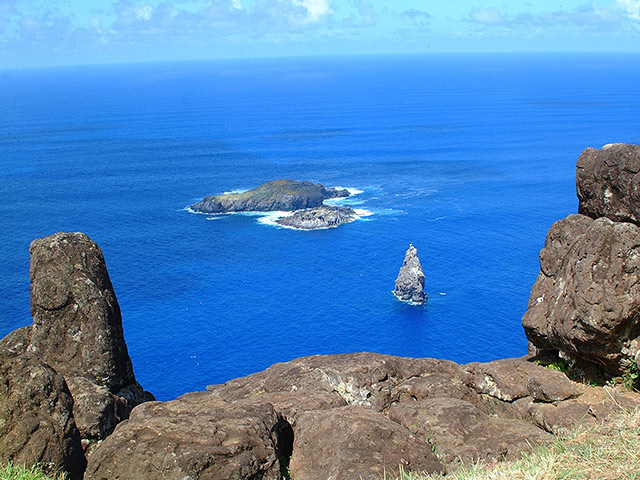
Then re-board the minivan and travel south to Ana Kai Tangata, a cave along the coast.The only cave on the island to contain ancient pictures, many believe this location served as the starting point of the annual Tangata Manu ritual practiced until around 1800. As you listen to the rhythmic crashing of the surf against the cliffs and hear ancient legends, imagine the men selected from each tribe leaping from the cave and swimming toward the islet of Motu Nui to collect the first egg laid by a sooty tern. Many drowned or were killed by sharks. The first man to return with the egg was rewarded with riches for his tribe for the rest of the year.
Leave the cave and set sights on the Rano Kau volcano and its crater lake. Capture this dramatic landscape from three different vantage points before your guide takes you to the village of Orongo at the southern tip of the island.
Orongo contains 54 restored oval-shaped houses constructed out of slabs of shale, each with a small square entryway overlooking the ocean. Note the abundance of birdmen petroglyphs here, and learn about the site's use as a ceremonial center for birdmen rites between 1600 and 1866.
After your guide's introduction to village lore and legend, spend a little over an hour exploring the site on your own before transport back to your hotel.
Important information
Tickets are not included. Purchase tickets online at www.rapanuinationalpark.com. A valid ticket is required to join the excursions, as it will be checked at each site.
Rapa Nui National Park, a wildlife sanctuary spread across most of Easter Island and a UNESCO World Heritage site, contains about 900 moai sculptures as well as 300 ahu, or ceremonial platforms, on which the carved figures stand. Sculpted from solidified volcanic ash, these statues are believed to represent the spirits of ancestors and high-ranking members of each tribe.
After hotel pickup from Hanga Roa, travel south with your guide into the park to Ahu Tahai, a ceremonial platform that has a unique moai, a stone giant that stands alone, but which is protected by its more than 4 meters high and its imposing figure.
Continue north to Puna Pau to see how some moai sport a different look. You'll notice they have pukao, or topknots made out of red scoria on their heads. It's believed the volcanic rock was used to impress rival tribes. Roughly 30 pukao are located in or near the Puna Pau quarry, the source of the red scoria.
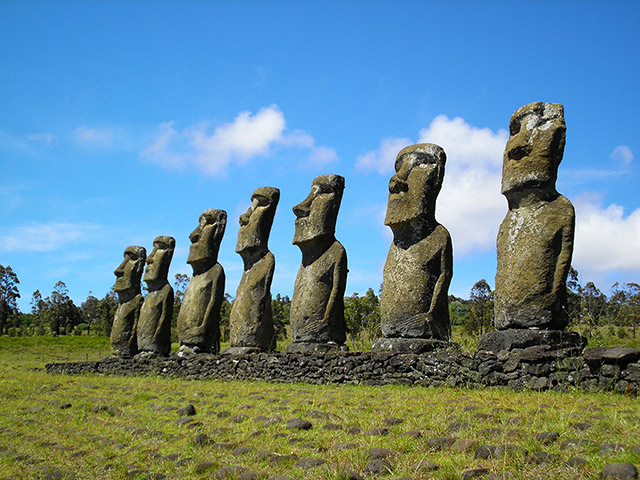
Then head to Ahu Akivi, where you'll see a line of seven moai looking out toward the ocean. The moai here each stand 16 feet (5 meters) tall and weigh about 18 tons (16 metric tons). What's mysterious about these sea-facing figures? It's an unusual sight considering the other ahu moai stand with their backs against the water.
One theory behind their unusual position: These moai symbolize the seven explorers from the Polynesian homeland of Hiva sent by the chief to find the island of Rapa Nui. According to this hypothesis, these statues face the ocean in the direction they came from.
Our last point will be The -Ahu Huri a Urenga- one of the 25 platforms that are not on the coast, but in the interior of the island and corresponds to an agricultural area, human settlements.
After your engaging exploration of ahu moai, you'll be taken back to your hotel.
Important information
Tickets are not included. Purchase tickets online at www.rapanuinationalpark.com. A valid ticket is required to join the excursions, as it will be checked at each site.
On your sightseeing adventure, you'll come across moai, stone giants that on average stand 13 feet (4 meters) tall and weigh 14 tons (13 metric tons). Said to represent ancestral spirits or preeminent tribal figures, some moai are placed upon ahu, or ceremonial sites.
After hotel pickup, your guide takes you to Ahu Akahanga, located on the southeastern coast of the island. Unlike most ahu, Akahanga has not been restored, allowing you to stumble upon the area as European explorers first did. The platform, about 59 feet (18 meters) long, originally contained about a dozen moai and is believed to be the burial site of Polynesian king Hoto Matu'a.
Walk about the grounds sprawled with overturned moai that have pukao, decorative head topknots, with tribal fighting providing one explanation for this curious scene.
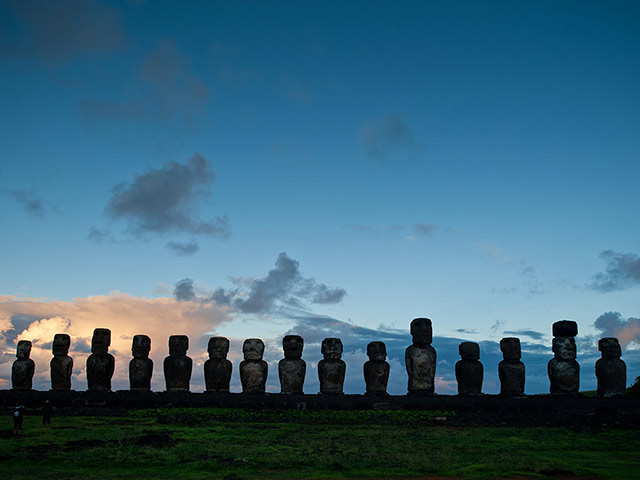
Next, head north up the coastline to Ahu Tongariki, the largest ceremonial site with an impressive row of 15 upright moai. Learn how a tsunami in 1960 sent these statues, some weighing 30 tons (27 metric tons), flying several hundred feet inland. Restoration of this site took five years and was completed in 1992.
Then travel inland to Rano Raraku, where on its volcanic slopes Rapa Nui sculptors had carved moai from volcanic stone before moving about one third of them to various ahu. Many of the island's 800-plus moai remain in the quarry and close by; as you trek with your guide toward the stone pit, you'll see poking up from the grassy earth hundreds of moai heads or partially buried torsos.
Enjoy a barbecue lunch (provided) at a nearby camping area, which includes chicken and other meats, fish, salad, rice, fruit and water. A vegetarian option can be arranged upon request. You'll spend about 2.5 hours in total at Rano Raraku with lunch time.
Along the northern coast, reach your final stop at Anakena and explore the extremely well-preserved seven moai of Ahu Nau Nau, four of them wearing pukao. At this site, archaeologists located one nearly complete coral eye, inlaid with red volcanic scoria stone.
Your sightseeing complete, swim or stroll along Anakena, one of the few white sand beaches on the island, for about 30 minutes before being transported back to your hotel. Or feel free to stay longer, and your guide will arrange a cab ride for you (own expense) when you're ready to return to your accommodation. Changing rooms with showers are available on site for a small fee.
Important information
Tickets are not included. Purchase tickets online at www.rapanuinationalpark.com. A valid ticket is required to join the excursions, as it will be checked at each site.