Discover Japan on guided multi-city journeys and local sightseeing experiences. Explore Tokyo's vibrant neighborhoods, Kyoto's temples, Osaka's food culture and scenic areas around Mount Fuji. Compare classic Japan vacation packages, tours departing from Tokyo and shorter experiences. Review guide languages, departure and ending cities, transportation and hotel inclusions before booking.
Compare multi-day vacation packages, sightseeing tours, regional local tours and packages starting in Tokyo. Trip lengths and starting prices are calculated from the corresponding tour categories.
| Trip | Days | You'll see | From | Best for |
|---|---|---|---|---|
| Japan Vacation Packages | 5-14 Days | Multi-city itineraries featuring Tokyo, Kyoto, Osaka and other highlights | $1099 | First-time visitors and multi-city travel |
| Vacation Packages from Tokyo | 5-14 Days | Guided Japan journeys with a Tokyo departure | $1099 | Travelers starting in Tokyo |
| Japan Sightseeing Tours | 1 Day | Shorter sightseeing experiences and visits to Japan's attractions | $7 | Local sightseeing |
| Japan Local Tours | 4 Days | Regional itineraries and local experiences within Japan | $845 | Regional discoveries |
Seven to ten days is a practical starting point for a first visit to Japan, allowing time to explore Tokyo, Kyoto and Osaka. With 10 to 14 days, travelers can add Mount Fuji, Hakone, Hiroshima or other destinations at a more relaxed pace. A shorter 4- to 6-day trip is better focused on one region, such as Tokyo and its surroundings or Kyoto and Osaka. Hokkaido and more remote regions often work best as separate trips because of travel distances.
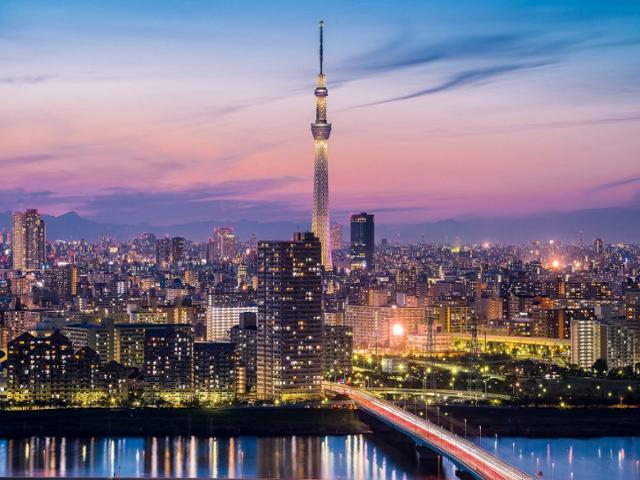
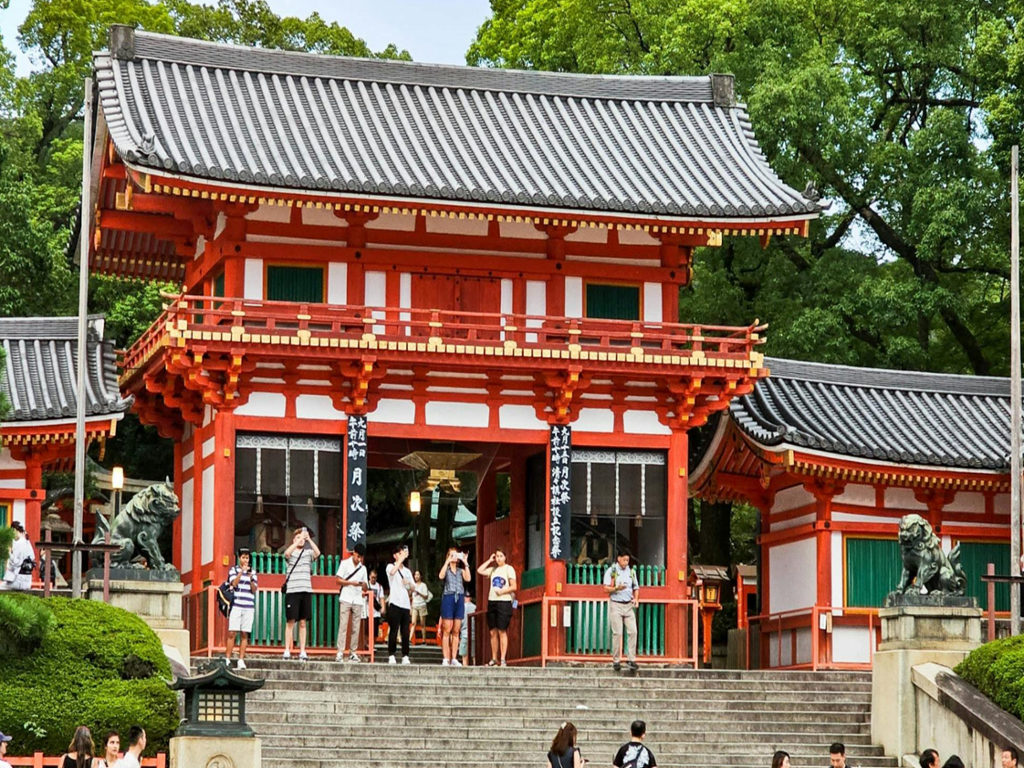
Tokyo, Kyoto and Osaka form one of Japan's most popular first-time itineraries. Tokyo offers modern neighborhoods, museums and shopping; Kyoto is known for historic temples, shrines and traditional streets; and Osaka is famous for its food culture and lively entertainment districts. Travelers with additional time can visit Mount Fuji, Hakone or Nara. The best combination depends on arrival and departure airports, travel dates and whether you prefer cultural sightseeing, nature or city experiences.
Spring and autumn are especially popular for Japan sightseeing. Cherry blossoms generally appear from late March into April across many parts of central Japan, while autumn foliage often develops from October through November, depending on the region and elevation. Summers can be hot and humid in much of central and southern Japan, while winter brings snow to northern and mountainous areas. Japan spans a wide range of climates, so the best season depends on your destinations and travel interests.
Cherry blossom timing varies each year with weather conditions. Tokyo, Kyoto and Osaka often reach their main blooming period around late March or early April, while blossoms tend to appear later in northern destinations such as Hokkaido. Southern regions may bloom earlier. Peak viewing periods can be brief, and rain or wind may shorten them. Travelers booking cherry blossom tours should allow flexibility and understand that no itinerary can guarantee peak blooms on a specific departure date.
Japan's autumn colors generally begin earlier in northern regions and high mountain areas, then move toward lower elevations and more southern destinations. Hokkaido and some alpine areas may show strong color in September or October, while Tokyo and Kyoto often have notable foliage later in autumn, particularly November. Timing varies by temperature, elevation and seasonal weather. Tours advertised for autumn foliage may visit scenic locations, but peak color cannot be guaranteed for every departure.
Mount Fuji and Hakone are often combined, but they offer different experiences. The Fuji Five Lakes area is popular for views of Mount Fuji, lakeside scenery and seasonal photography. Hakone is known for hot springs, Lake Ashi, volcanic landscapes and mountain transportation. Visibility of Mount Fuji depends heavily on clouds and weather, even on an otherwise clear-looking day. Some day tours include both areas, while others focus on one. Check the exact sightseeing stops, transportation and optional activities before booking.
Yes. Tokyo and Kyoto offer contrasting perspectives on Japan. Tokyo emphasizes contemporary urban culture, shopping, museums and modern neighborhoods, while Kyoto is particularly known for temples, shrines, historic districts and traditional architecture. Traveling between the cities is convenient by high-speed rail, although transportation and hotel arrangements should be planned in advance. Travelers interested in Japanese history and culture often find Kyoto an important addition to a Tokyo itinerary.
Independent travel works well in major Japanese cities because public transportation is extensive and many attractions are accessible by train or metro. Guided tours can simplify travel to multiple destinations, rural areas or places requiring several transportation connections. They may also provide historical commentary and organized sightseeing. Some Japan packages are fully guided, while others are self-guided or semi-guided with transportation and accommodation arrangements. Compare the guide language, daily itinerary, transportation inclusions and amount of free time before deciding.
The Japan Rail Pass is not automatically the most economical option for every itinerary. Its value depends on how many eligible long-distance train journeys you plan to take within the pass validity period. Travelers visiting only Tokyo, Kyoto and Osaka may find individual tickets or regional rail passes more suitable, depending on their exact route. Not all trains, services or transportation operators are fully covered, and eligibility rules apply. Compare current pass prices with the total cost of your planned journeys before purchasing.
Hokkaido offers a different side of Japan, with wide natural landscapes, national parks, hot springs and distinctive seasonal experiences. Summer is popular for flower fields and outdoor scenery, while winter attracts travelers interested in snow, skiing and seasonal festivals. Hokkaido is far from the Tokyo–Kyoto–Osaka corridor, so adding it usually requires additional travel time or a domestic flight. Travelers with limited vacation days may prefer to visit Hokkaido on a separate trip.
Japan can be suitable for families and older travelers, particularly when itineraries balance sightseeing with sufficient rest. Major cities offer extensive public transportation, but railway stations may be large and transfers can involve considerable walking. Historic temples, shrines and mountain attractions may have stairs, slopes or uneven paths. Tours with organized transportation may reduce the need for independent navigation, although daily walking requirements still vary. Check hotel locations, luggage handling, accessibility and the pace of each itinerary before booking.
Visitors to Japan should be mindful of local customs, including speaking quietly on public transportation, following posted rules at temples and shrines, and disposing of rubbish appropriately. Shoes may need to be removed in certain accommodations, traditional restaurants and indoor spaces. Onsen facilities often have specific bathing rules, which may include restrictions concerning swimwear or tattoos. Tipping is generally not customary in everyday Japanese service settings. Pay attention to instructions at each venue, as practices vary.
Visa requirements depend on your nationality, passport, travel purpose and intended length of stay. Some travelers qualify for visa-free short visits, while others must obtain a visa before departure. Entry rules and documentation requirements may change. Check the latest guidance from the Japanese embassy or consulate responsible for your location and Japan's official immigration authorities. Booking a tour does not guarantee entry into Japan.
English-speaking guides are available on selected Japan tours, but language arrangements vary by supplier, departure date and itinerary. Some packages are fully guided, while others are semi-guided, self-guided or transportation-only. A tour may include local guides for certain sightseeing activities rather than one guide throughout the trip. Confirm the guide language, guided portions, meeting arrangements and any additional service charges before booking.
Transportation inclusions depend on the selected tour. Some multi-city Japan packages include Shinkansen tickets, domestic flights or organized coach transportation, while others require travelers to purchase certain segments separately. Train class, luggage conditions, station transfers and departure arrangements can vary. Japan Rail Pass coverage should not be assumed unless specifically stated. Check the Included and Excluded sections and the daily itinerary before booking independent transportation.
Included services vary by supplier and package. Some multi-day Japan tours include hotels, selected meals and airport transfers, while others require separate arrangements. Day trips generally do not include overnight accommodation. Airport pickup may be available only at specific airports, terminals or arrival times. Japan has several major international gateways, including Tokyo's Narita and Haneda airports and Kansai International Airport near Osaka. Confirm your actual airport, transfer coverage, room arrangements and meal inclusions before booking.
Solo travelers can book selected Japan group tours, but policies vary by product. Some tours accept one traveler and charge a single-room supplement, while others have minimum participation requirements or departure-specific availability. A solo-friendly designation does not necessarily guarantee room sharing, waive single supplements or confirm that the tour will operate. Check the booking minimum, room occupancy rules, guaranteed departure status and total price for one traveler.
No. Views of Mount Fuji depend on weather and cloud cover, while cherry blossom and autumn foliage timing varies from year to year. A tour that includes Mount Fuji may still visit its scheduled sightseeing stops even if the mountain is not visible. Seasonal flower and foliage tours cannot guarantee peak conditions for every departure date. Some activities may also be adjusted for weather or operational reasons. Review the itinerary and seasonal notes before booking.
Cancellation and amendment policies depend on the specific tour, supplier, departure date and booked services. Hotels, Shinkansen tickets, domestic flights, attraction tickets and seasonal activities may have separate restrictions or nonrefundable components. Weather-related changes or attraction closures are handled according to the product terms and applicable rules. Review cancellation deadlines, refund conditions, change fees and supplier confirmation requirements before completing your booking.
|
||
Thank you for signing up for the TakeTours.com newsletter. |