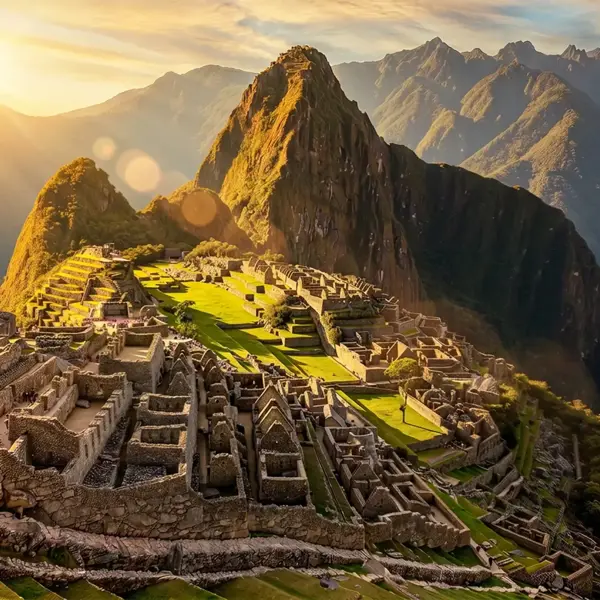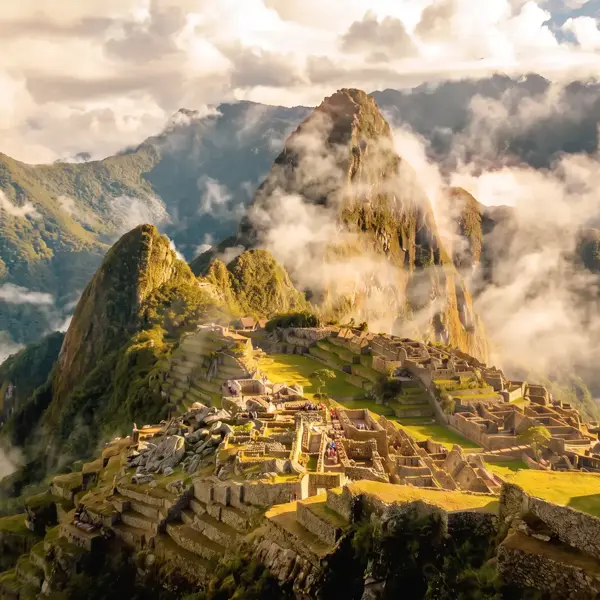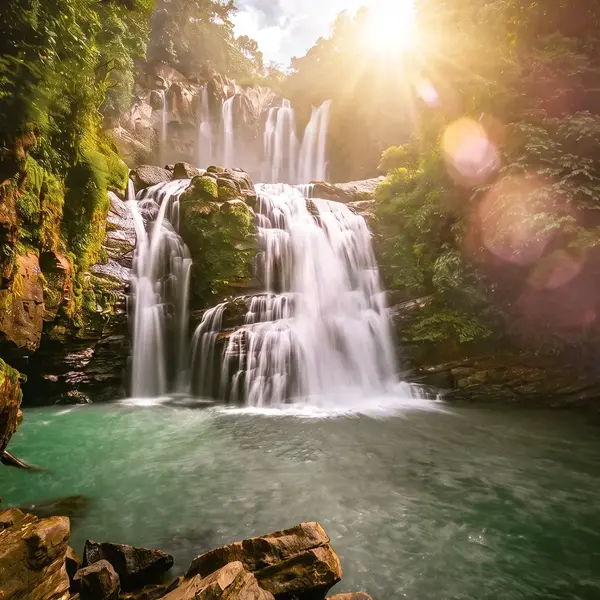
Explore ancient cities, rainforests and dramatic landscapes on Latin America tours. Discover Mexico's archaeological sites, Peru's Machu Picchu itineraries, and wildlife-rich Costa Rica. Browse guided multi-day journeys, small-group tours and flexible vacation packages, with departures from cities such as Mexico City, Lima and San Jose. Tour inclusions and guide languages vary by itinerary.
Browse & Compare
Compare destinations by travel interests, highlights and suggested trip length, then explore available tours.
Best for: History, culture and food
Suggested trip: 5–10 days
Highlights: Mexico City, Yucatan, colonial towns
Explore tours →Best for: Inca heritage and iconic sights
Suggested trip: 7–11 days
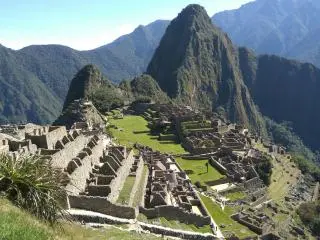
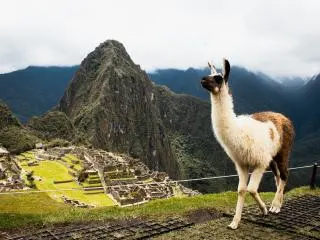
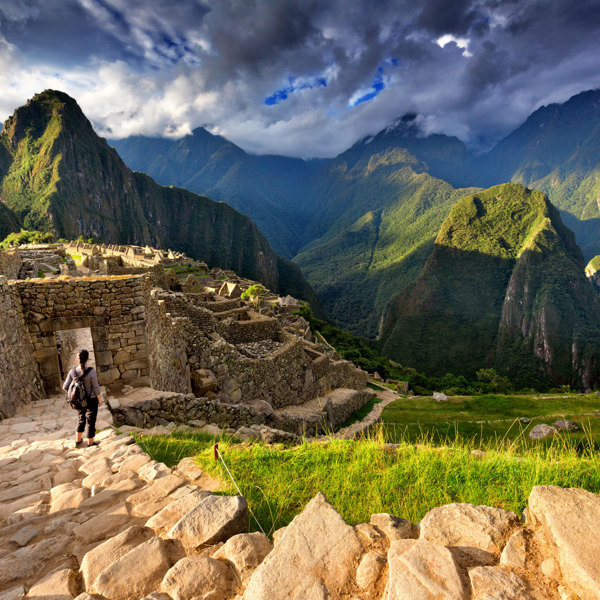
Highlights: Machu Picchu, Cusco, Sacred Valley
Explore tours →Best for: Wildlife, rainforests and adventure
Suggested trip: 7–12 days
Highlights: Arenal, Monteverde, wildlife
Explore tours →Best for: City culture and natural wonders
Suggested trip: 7–12 days
Highlights: Rio de Janeiro, Iguazu Falls
Explore tours →Best for: Cities and dramatic landscapes
Suggested trip: 8–14 days
Highlights: Buenos Aires, Iguazu Falls, Patagonia
Explore tours →Best for: Andean culture and wildlife
Suggested trip: 7–12 days
Highlights: Quito, Andes, Galapagos Islands
Explore tours →Trip lengths are planning suggestions, not guaranteed available tour durations. Check individual itineraries for dates, services and departure cities.
Peru is a strong first choice for history and iconic sights — Machu Picchu, Cusco and the Sacred Valley fit naturally into a seven-to-ten-day itinerary. Mexico offers the broadest mix of ancient ruins, colonial cities and local culture, with options from short city stays to longer journeys. Costa Rica suits travelers who prefer rainforests, volcanoes and wildlife over museums. Brazil and Argentina are better choices if your priorities are Rio de Janeiro, Iguazu Falls or Patagonia. Choose by what you want to see rather than trying to cover the whole region.
Seven to ten days is a practical starting point for one country. In Peru, that covers Lima, Cusco, Machu Picchu and the Sacred Valley, with longer routes adding Lake Titicaca or Arequipa. In Mexico, a week works for one region, while ten to fourteen days allows a more extensive journey. Costa Rica's volcanoes, rainforests and Pacific coast generally fit into eight to twelve days. Combining countries takes longer because flights and transfers consume substantial time. With less than a week, focus on one city and its surrounding attractions.
Lima is the main international gateway for Peru, with many itineraries continuing to Cusco by domestic flight. Mexico City works for central Mexico and cultural tours, while Cancun is better for the Yucatan Peninsula and Caribbean coast. San Jose is the usual starting point for Costa Rica's multi-region tours. Rio de Janeiro and Buenos Aires are major gateways for Brazil and Argentina. Check the exact tour departure and ending cities before buying flights — some itineraries finish in a different city, and domestic flights are not always included.
There is no single best season for the entire region. Peru's Andes are generally drier from May to September, making this a popular period for Machu Picchu, though nights at altitude can be cold. Costa Rica's Pacific side has its main dry season from roughly December to April; the green season brings more rain and lush forests, while Caribbean weather follows a different pattern. Mexico varies by region, with much of the country experiencing wetter conditions in summer and early autumn. Patagonia is most accessible for outdoor travel during the Southern Hemisphere summer, roughly November to March.
Guided group tours are usually the more economical choice for first-time visitors, especially on established routes through Peru and Mexico. Transport, hotels and scheduled sightseeing are arranged in advance, but departure dates and daily schedules are less flexible. Private tours cost more and suit families, small groups or travelers wanting a slower pace and customized stops. Costa Rica also has self-drive and semi-guided options for independent travelers. Check the itinerary carefully: not every multi-day package includes a guide throughout the entire journey.
Machu Picchu itself sits at around 2,430 metres, lower than Cusco at approximately 3,400 metres. The bigger concern is adjusting to the altitude around Cusco and the surrounding Andes, where some excursions climb considerably higher. Spending time acclimatizing, staying hydrated and avoiding strenuous activity immediately after arrival can help. Many standard Machu Picchu visits use trains and shuttle buses rather than multi-day hiking trails, but visitors still encounter stairs and uneven stone paths. Travelers with relevant medical conditions should seek advice before visiting high-altitude areas.
Altitude, walking conditions and long transfers matter more than the number of attractions. Peru's Cusco region requires altitude adjustment, and Machu Picchu has uneven paths and steps. Mexico's city and cultural tours can be easier to manage, although archaeological sites may involve considerable walking in the sun. Costa Rica's wildlife tours often include forest trails, boat rides and winding mountain roads. For older travelers, choose fewer hotel changes, allow a rest day after long flights and check whether the itinerary includes strenuous hikes or early departures.
Meal arrangements vary considerably by itinerary. Many multi-day tours include hotel breakfasts, while lunches and dinners may be at your own expense. Mexico is known for regional dishes such as tacos, mole and Yucatan specialties; Peru offers ceviche, roasted meats and Andean cuisine; Costa Rica commonly serves rice, beans and fresh tropical produce. Some remote rainforest lodges include more meals because outside restaurants are limited. Vegetarian options are available in major cities but may be less predictable in rural areas. Check the inclusions and mention dietary needs when booking.
Entry requirements depend on your passport, destination, transit countries and sometimes your existing visas or residence permits. Mexico, Peru, Costa Rica, Brazil and Argentina have separate immigration rules — there is no single visa covering all of Latin America. Some nationalities qualify for visa-free entry, while others need approval in advance. Connections through the United States may require separate transit or entry authorization even when the final destination does not require a visa. Check official immigration and airline requirements for every country on your route before purchasing non-refundable flights.
International flights to and from Latin America are generally not included. Domestic flights may be included on certain itineraries, such as journeys between Lima and Cusco in Peru. Other transportation, including trains, buses and boats, varies by tour. Check the What's Included and What's Excluded sections on each tour page before booking.
Many Peru tours start in Lima and may finish in Lima or Cusco. Mexico tours commonly depart from Mexico City or Cancun, while Costa Rica itineraries often begin and end in San Jose. Some tours finish in a different city from where they started. Check the departure and ending locations on each tour page before booking flights, as return transportation to the starting city may not be included.
English and Spanish are the most common guide languages on Latin America tours. Some itineraries may offer additional languages or multilingual guides. Certain semi-guided packages include local guides only at specific attractions rather than throughout the entire journey. Available languages and guiding arrangements are listed on each tour page.
Some Latin America tours include airport pickup, drop-off or both, while others require travelers to arrange their own transfers. Included transfers may operate only at designated airports or within specific arrival and departure time windows. Check the Airport Pick-up information and transfer details on each tour page before booking your flights.
|
||
Thank you for signing up for the TakeTours.com newsletter. |