USA tours divide by which airport you fly into. The East Coast routes run one coach corridor — New York, Philadelphia, Washington DC, Niagara Falls and Boston. The West is not one trip but several: the Southwest canyons from Las Vegas and Los Angeles, the California coast and Yosemite from San Francisco, and Yellowstone from Denver or Salt Lake City. National parks run through the western routes rather than forming a region of their own. Hawaii is separate again, based on Oahu with longer packages adding other islands. Alaska runs on its own too, from Anchorage and Fairbanks. Hotels, transport and a guide are included on multi-day trips.
Each region is reached from different cities and each is its own trip.
One airport opens the East Coast; several others open the West, and they lead to different parks.
| Trip | Days | You'll see | From | Best for |
|---|---|---|---|---|
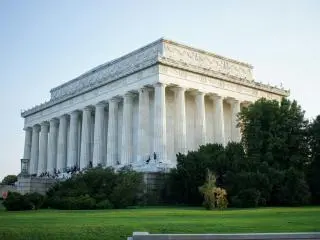
| East Coast corridor | 5-23 Days | New York, Philadelphia, Washington DC, Niagara Falls and Boston on one coach route | $388 | First trip to the USA |
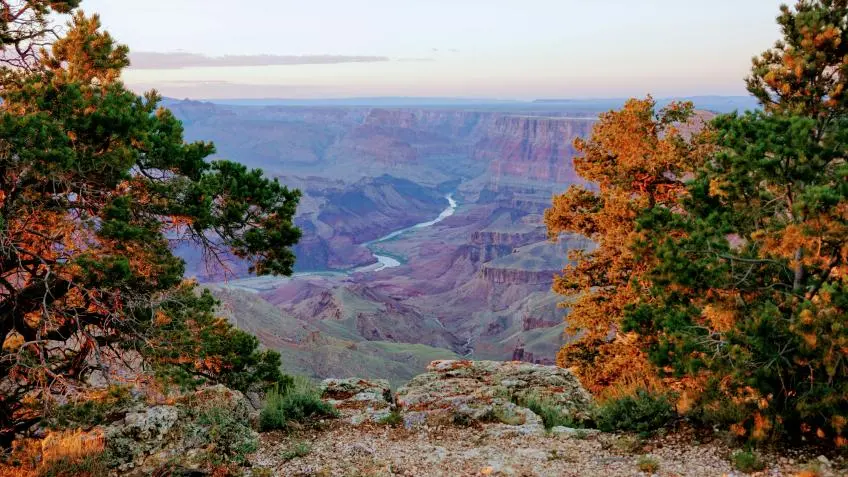
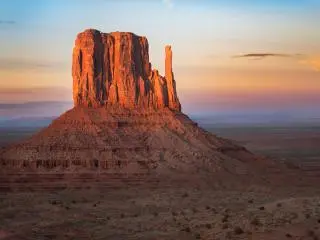
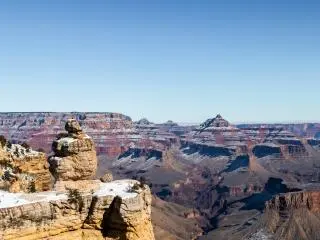
| Southwest canyons | 2-4 Days | The Grand Canyon, Antelope Canyon and Zion from Las Vegas or Los Angeles | $251 | A few days in Las Vegas |
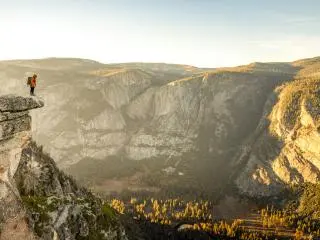
| California and Yosemite | 5-16 Days | Yosemite, plus the Pacific coast and Monterey from San Francisco or Los Angeles | $549 | Coast and mountains in one trip |
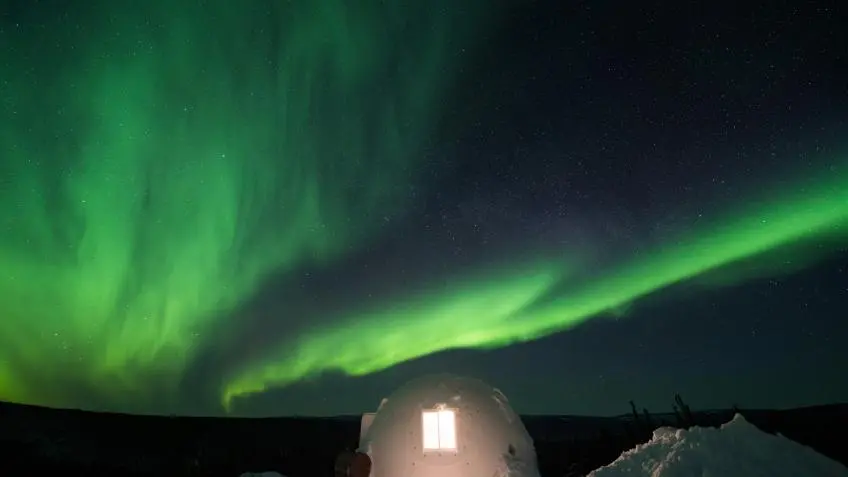
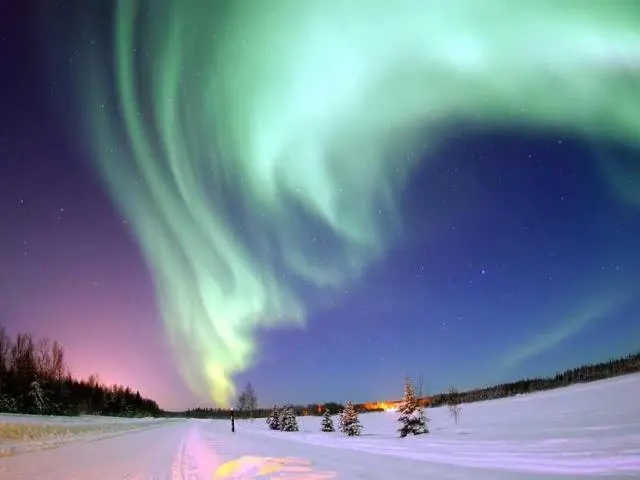
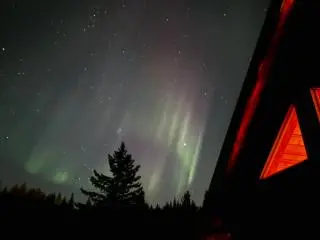
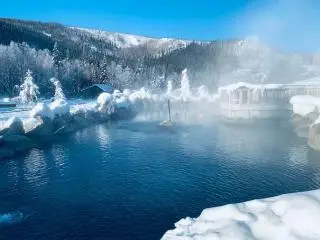
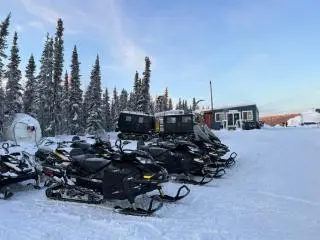
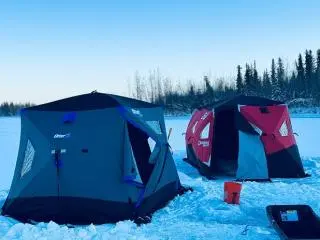
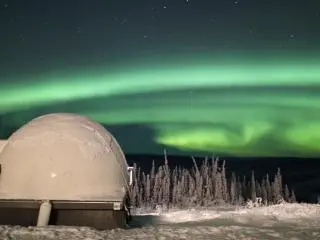
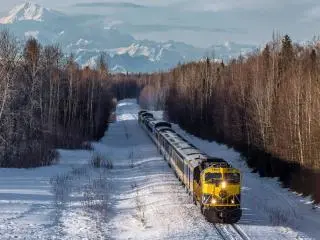
| Alaska aurora | 5-20 Days | Aurora viewing near Fairbanks, Chena Hot Springs and Matanuska Glacier | $765 | A winter trip |
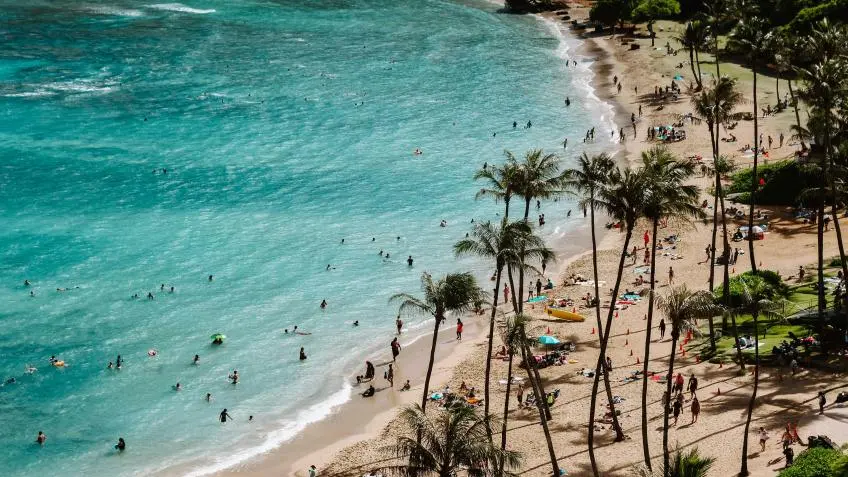
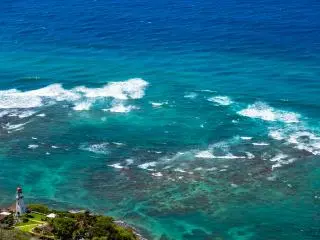
| Hawaii | 5-13 Days | Pearl Harbor and the Oahu island circle, with longer trips adding Maui or Hilo | $294 | A warm winter trip |
The East Coast is one coach corridor and the easiest first trip: New York, Philadelphia, Washington DC, Niagara Falls and Boston link on a single route. The West is not one trip. The Southwest canyons, the California coast and Yellowstone are separated by hundreds of miles and reached from different cities, so each is its own itinerary. Hawaii and Alaska are separate again, each with its own gateway airports and no road connection to the mainland. No single coach tour covers more than one of these.
The East Coast corridor is the most compact; one loop takes in all the main cities. In the West, 2- to 4-day tours from Las Vegas reach the Grand Canyon, Antelope Canyon and Zion, while linking two regions on one run, such as Yellowstone with the canyons, takes a week or more because of the distances between parks. Hawaii runs to its own rhythm, with Oahu as the base and extra days for other islands. Alaska routes are built around aurora viewing, and several run one-way between Anchorage and Fairbanks. Each tour page shows its exact length.
Pack for the region rather than the country. The Southwest is hot and dry in summer, and the canyon rims are cold on fall and winter mornings. Yellowstone is cold at altitude even in July. The East Coast is humid in summer and freezing in January. Hawaii needs sun protection and something light for evenings. Alaska routes run through the colder months and need proper cold-weather layers. Walking shoes matter everywhere.
The East Coast routes are the gentlest: short drives between cities, level sightseeing, and airport pickup on many departures. Hawaii is the next easiest, with one island base, short transfers and no long coach days. Western routes involve long driving days between parks, and several Alaska routes run one-way between Anchorage and Fairbanks rather than returning to the start, so weigh both before booking. Some western tours run in small vans rather than full coaches, which means less time boarding and waiting. Optional activities can be skipped without leaving the group behind.
Meal stops are usually at cafeterias and food courts rather than set restaurants, so travelers order their own, and vegetarian options are available at most stops. Stricter requirements such as Jain or halal depend on what each stop carries, so raise them before departure rather than on the day. The East Coast cities have the widest choice; in the western parks and in Alaska the options thin out. Some multi-day routes include breakfast.
Choose a departure city and a date, and book online. Your confirmation gives the pickup point and time; these are set by the route rather than chosen at checkout. Prices are per person and change by season.
Many routes are led by bilingual English and Mandarin guides, and some run in English only; a few offer other languages. The tour page shows the guiding language for each departure. If it matters for your group, confirm before booking rather than on the day.
Often, yes. Many tours charge a mandatory fee for park entrance, permits and tribal-land access, paid on top of the tour price and listed under Price Excludes on each tour page. Since 2026, non-U.S. residents aged 16 and over also pay an extra $100 per person at several popular national parks, including Grand Canyon, Zion, Bryce Canyon, Yosemite and Yellowstone, unless they hold a non-resident annual pass.
The West Rim is the closest to Las Vegas and home to the Skywalk glass bridge. The South Rim is the classic view inside the national park; it can be a long day trip from Las Vegas, and multi-day tours pair it with Antelope Canyon and Horseshoe Bend. Each tour page shows which rim it visits.
Not on a coach. The East Coast routes and the western routes are separate trips with separate departure cities, and no single tour links them. If you want both, book two tours.
No. Alaska tours start in Anchorage or Fairbanks and do not connect to any route on the mainland, so a flight in is needed either way. Most are aurora trips built around Chena Hot Springs and Matanuska Glacier, and several run one-way between the two cities rather than returning to the start.
It depends which region. The Southwest canyons are most comfortable in spring and fall; summer heat at the Grand Canyon is severe. Yellowstone routes run mainly from May to September, as park roads close through winter. The East Coast is busiest in summer and again in October for fall colour. Hawaii is year-round. Alaska aurora routes run in the colder months, when the nights are long enough to see it. Each tour page shows its available dates.
Travelers arriving from outside the United States need a valid passport and whatever entry permission applies to their nationality. Requirements change, so check before booking rather than at the airport. Travelers already in the US need government-issued photo ID for hotel check-in and, for non-U.S. residents, possibly at national park entrances. Routes that cross into Canada are checked in each direction, so green card and visa holders should confirm the rules on both sides.