Escape the buzz of the city and explore the cool highlands of Tagaytay before diving into Manila's vibrant culture and rich history in this full-day tour.
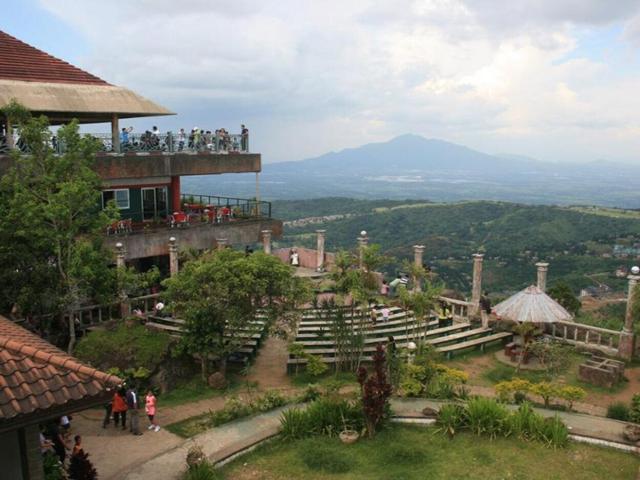
Start your journey with a scenic drive from Manila to Tagaytay, where you'll visit the Tagaytay Picnic Grove, offering panoramic views of the iconic Taal Volcano. Next, hop aboard a traditional jeepney ride to the People's Park in the Sky, the highest point in Tagaytay, for breathtaking mountain and lake vistas.
Enjoy lunch at a local restaurant (at guest's own expense), then head back to Manila to uncover its historical and cultural gems. Visit the peaceful Paco Park and Cemetery, a Spanish-era burial ground turned garden park, and the iconic Quiapo Church, home of the Black Nazarene and a center of Filipino Catholic devotion.
End the day with a flavorful adventure in Binondo, the world's oldest Chinatown, where you can explore local markets and sample authentic Chinese-Filipino cuisine.
Itinerary:
* Hotel Pick-up at 06:00AM
* Manila to Tagaytay
Begin your day with a scenic drive from Manila to the highland city of Tagaytay, a popular getaway known for its cool climate and panoramic views. Enjoy the relaxing ride as the landscape transitions from urban bustle to lush countryside.
* Tagaytay Picnic Grove
Located along the Tagaytay ridge, Picnic Grove is one of the city's most iconic spots. It offers stunning views of Taal Volcano and Taal Lake, as well as open spaces perfect for walking, relaxing, and taking photos. Optional activities include horseback riding, ziplining, and souvenir shopping.
* People's Park in the Sky with Jeepney Ride
Ride a traditional Filipino jeepney up to People's Park in the Sky, the highest point in Tagaytay. Originally built as a mansion for a visiting U.S. president, this park now offers a 360-degree view of Tagaytay, Laguna, and Batangas provinces. Enjoy the fresh air, cool breeze, and sweeping views from the top.
* Lunch (on guest's expense)
Take a break to enjoy lunch at a local restaurant of your choice. Tagaytay is known for its bulalo (beef marrow stew), grilled specialties, and other hearty Filipino dishes. Your guide can offer recommendations based on your preferences.
* Paco Park and Cemetery, Manila
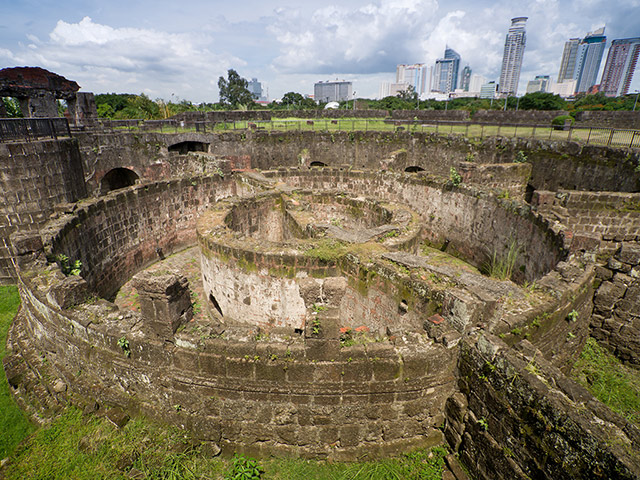
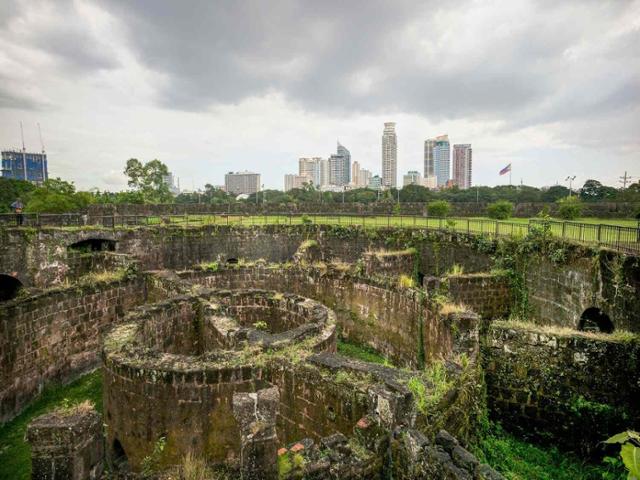
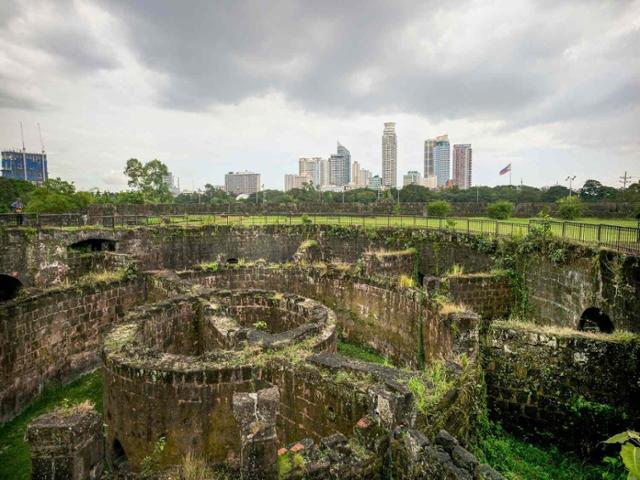
This former Spanish-era cemetery is now a serene garden park in the heart of Manila. Known for its circular layout, elegant pathways, and historical significance, Paco Park is where national hero Jose Rizal was secretly buried after his execution. It's a quiet and reflective place rich in colonial history.
* Quiapo Church
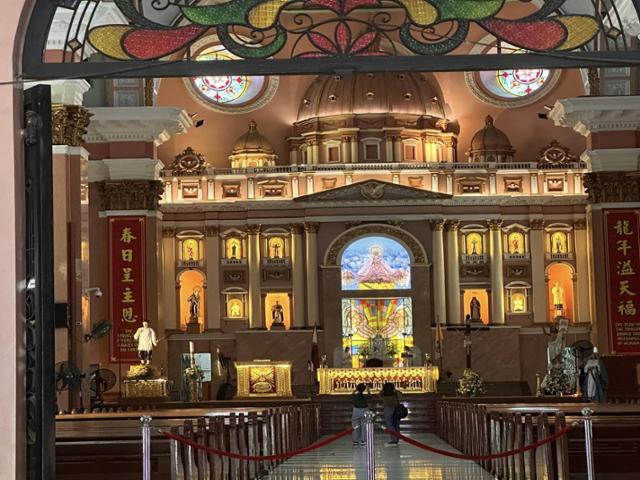
Formally known as the Minor Basilica of the Black Nazarene, Quiapo Church is a major religious landmark in Manila. It draws thousands of devotees daily who come to venerate the miraculous image of the Black Nazarene. The area around the church is also known for its traditional medicine stalls, religious items, and local vendors.
* Binondo Food and Market
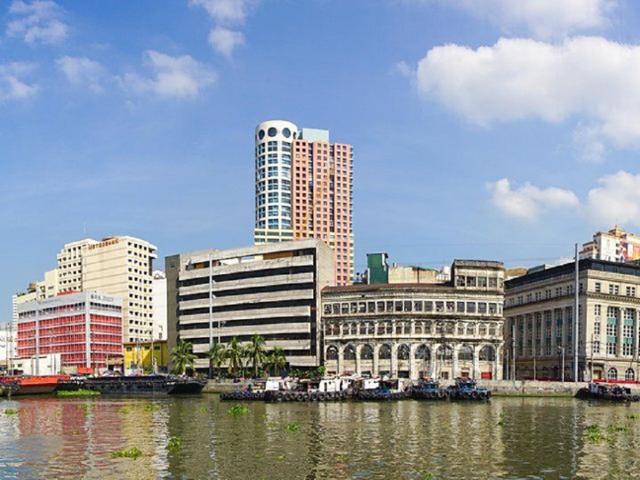
End your day with a flavorful stop in Binondo, the world's oldest Chinatown. Explore its lively streets, traditional markets, and historic food establishments. Taste a mix of Chinese-Filipino delicacies, from dumplings and hopia to lumpia and noodle soups. A great way to experience the culinary fusion of two rich cultures.
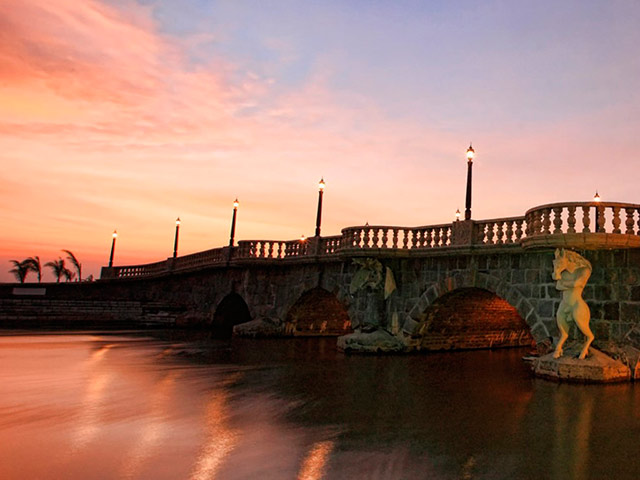
A day trip to Las Casas Filipinas de Acuzar is like travelling back in time. Set on a 400-hectare land in Bagac, Bataan, Las Casas is a heritage resort that showcases the Filipino cultural heritage and traditions through the restoration of old, historic houses. There are about 34 houses dating from 18th and 19th centuries that have been transported from their original sites in provinces and cities in Luzon, to this heritage resort.
The restoration work on each house was done by craftsmen who painstakingly reconstructed houses by keeping true to its original designs and woodwork. The heritage resort exudes an old village ambiance that comes complete with a plaza that features sculptures depicting rustic scenes of the olden days.
It also has, apart from accommodation facilities, a swimming pool, restaurants, souvenir shops, a watersports rental shop, and an entertainment and game room featuring local Filipino games. In essence, the tour offers a glimpse of how the older generations of Filipinos lived during the Spanish era through its architecture and lifestyle.
Pick-up time
Makati Hotels - Between 7:45am and 8am
Manila Bay Hotels - Between 7:45 and 8am
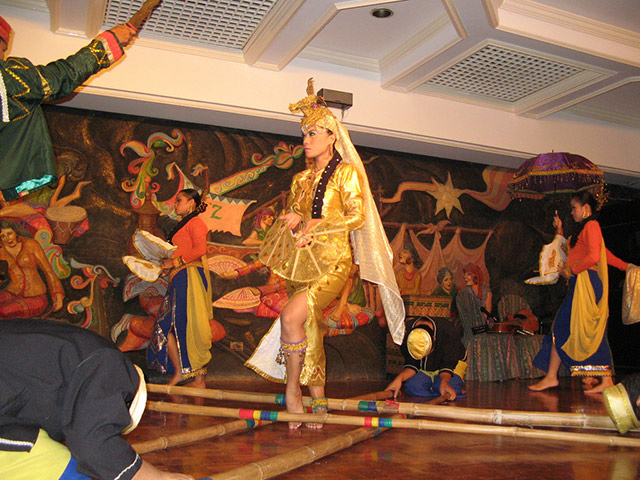
A festive night of feasting on local cuisine and traditional songs and dances. The show is a production of Filipino creativity and artistic expression of tradition and culture.
From the hotel, transfer to a typical Filipino restaurant for dinner and viewing of Filipino folk dances that are performed by young university students in their colorful native costumes.
At the end of the show, participate in some of the dances and the sing-along that follows.
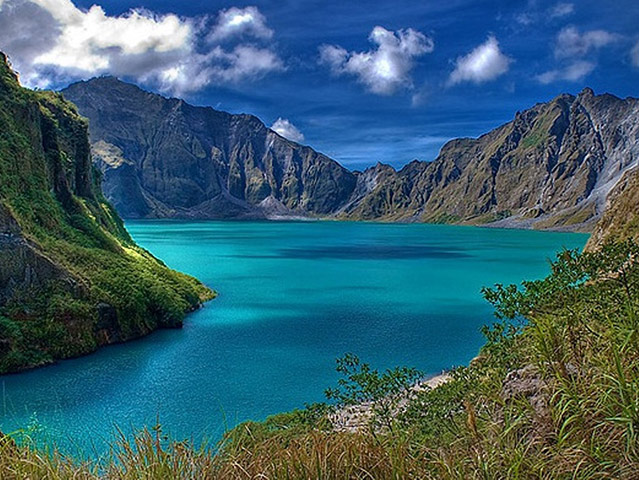
The tour provides one with the opportunity to be as close as he can be with Mt. Pinatubo, whose eruption in 1991 was deemed as the most powerful volcanic explosion of the century so far. Its eruption marked the end of its 600 years of lying dormant; it spewed tons of ash and rock, emitting gaseous discharges up to 40 kilometers high, and altered weather patterns worldwide.
Early pick up and drive about an hour and a half to Pampanga where your local guide will meet you. Upon arrival, transfer to a 4x4 vehicle for a 2-hour ride to the jump off point where you will begin your trek to the summit of the volcano (trekking will take approximately two hours). At the summit, enjoy the magnificent view of this once dormant volcano. Mt. PInatubo's eruption in 1991 altered the global climate and caused mudflows to cascade down its slopes, destroying everything along its path and leaving behind a labyrinth of towering lahar cliffs. The crater lake within the mouth of the volcano has a halcyon shade of blue that contrasts with the black, strombolic fury it exhibited years ago. After lunch, end the tour with a brief visit at San Guillermo Church in Bacolor, Pampanga, and see how the lahar flow half-buried this church during the eruption.
A tour of Manila provides one with an introduction to the country's history which dates back from the Spanish colonization till the American and Japanese occupation. It takes in the historical, cultural and religious sites of the country, all of which help make it the political, social, cultural, religious, educational, industrial and commercial center of the country.
Manila's city tour starts with a visit to Rizal Park, named in honour of the country's national hero, Dr. Jose Rizal. After a brief picture stop, proceed to the historic Walled City of Intramuros. Travel through the cobbled streets of San Agustin Church, the country's oldest stone church and view its wide collection of ecclesiastical icons, vestments and other religious articles. Across it is Casa Manila, a reproduction of 19th century house equipped with Oriental and European decor, as well as Philippine antique furniture. Continue on to Fort Santiago, Manila's main line of defense against invaders from the sea.
The stone fort guards the entrance to the city from Manila Bay and the site of many tragic moments in Philippine History. From the Fort, drive to Quiapo, Manila's central district, often referred to as the heart of Manila with its market, pilgrimage church of the Black Nazarene, jeepney terminals and bazaars. Then proceed to the Chinese Cemetery, where the mausoleums are as big and as elaborate as houses and where fusions of Buddhist and Christian religions are very much in evidence. End the tour with a drive by Ayala Avenue or via Roxas Boulevard, the city's seaside drive.
Start the tour with the country's oldest church, San Agustin Church which was built between 1587 and 1607, and is located in the historic Spanish walled city. It was the only building left intact after the destruction of Intramuros in WWI and was rebuilt three times due to natural disasters. It is now recognized by the government and is a UNESCO historical landmark.
Continue on to Manila Cathedral, which has been a venue for papal masses in the country. Binondo Church, also known as Minor Basilica of Saint Lorenzo Ruiz, has an architectural style that is European Baroque and it is notable for its octagonal five-tier Chinese-style tower that reflects the culture and art of Chinatown.
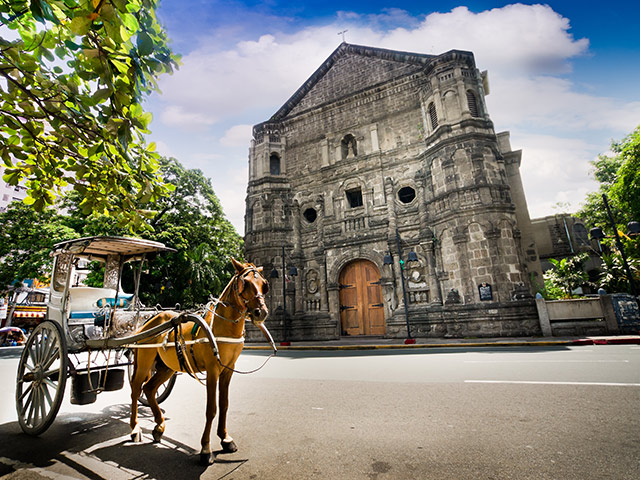
Next stop is at Santa Cruz Church, whose architecture employs a California Spanish Mission facade whose adorned with the usual Filipino baroque ornamentation. On top of the facade is a statue of Our Lady of the Pillar, the patroness of the church.
After lunch continue to Quiapo Church. Millions of people visit this church every year to see the famous Black Nazarene statue. Stop at San Sebastian Church and proceed to the UP Chapel, located at the University of the Philippines. The church was designed by four Philippine National Artists.
Proceed to Santuario de San Antonio and Malate Church before ending the tour to Baclaran Church.
Explore on foot and eat your way through Chinatown on your own two feet!
Binondo is primarily populated by ethnic Chinese living in the Philippines, and is referred to as the local Chinatown, and the oldest in the world outside mainland China. Binondo's Chinatown is also listed as one of the top National Geographic's food journey of a lifetime.
Your first stop for culinary taste of Binondo starts at Cafe Mezzanine also known as the Volunteer Fireman's Coffeeshop wherein parts of their proceeds are donated to the volunteer fire fighters of Binondo. Here you will get to taste the Chinese alltime favourites like machang and kiampong - a salted fried rice mixed with pieces of pork, chicken, dried shrimp and mushroom served in a small bowl topped with peanuts.
Afterwards head to Dong Bei Dumplings, a small restaurant located in Yuchengco Street that serves the best fresh dumpling in Binondo and get to witness how they are prepared. Next stop is a small stall selling fried 'Siopao' or hot bun, a popular food in the Philippines that have different varieties depending on the stuffing and may be consumed on the go. Along the way you will pass different local food stores, Chinese pharmacies, fruit stalls...
The walking tour ends at New Po Heng Lumpia House where they serve fresh Chinese lumpia, a mixture of carrots, cabbage, tofu, shrimp and grounded pork, topped with crushed peanuts, garlic, seaweed, hot sauce and rolled in leaves of lettuce wrapped in paper-thin rice crepes. Return to the hotel at the end of the tour.
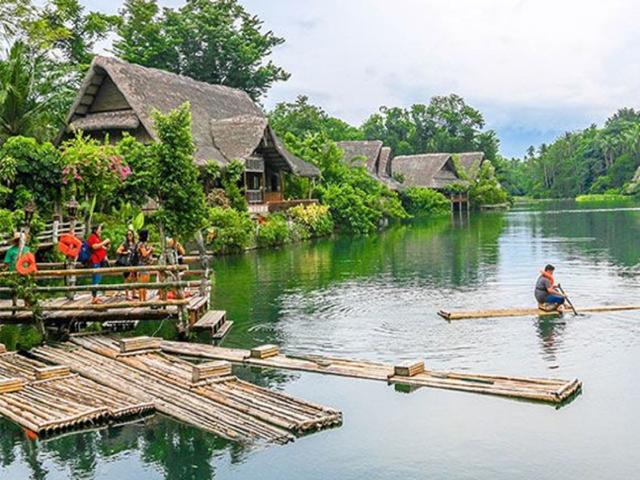
Experience true Filipinos native life on this private day tour to Villa Escudero Plantations. The tour will be led by a professional English speaking guide, lunch and round-trip hotel transfers are included. You will visit the private museum, explore the village and enjoy fun activities like water buffalo-powered cart rides.
Highlights:
In Tiaong, Quezon, less than three hours drive from Manila, is an 800 hectare Spanish era coconut plantation that represents "hacienda" style living with a rural backdrop. There is a private museum with an absorbing collection of historic, religious and cultural artifacts spanning pre-Spanish times to World War II years. A sightseeing tour abroad a cart driven by a carabao (water buffalo) revelas the growing, harvesting and processing stages of coconut cultivation and takes riders to man-made waterfalls. On selected days, there are cultural shows to market at. VIlla Escudero is truly a native experience.
INCLUSIONS
- Round-trip transfer from Metro Manila/Makati hotels
- Entrance Fees and Lunch
- Services of a Professional Guide
Make your way up to the highlands city of Tagaytay for some sightseeing view of the very famous Taal Volcano, which is located in Batangas, but can only be seen in full view here. The city of Tagaytay is located on a ridge, 2250 feet above sea level.
ITINERARY:
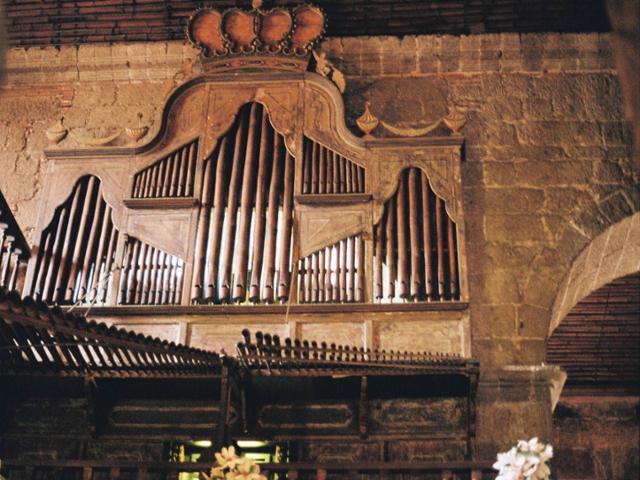
It is about 2 hours leisurely drive south of Manila, passing small towns, orchards, fruit stalls and coconut plantations. Admire the magnificent views offered of Taal Volcano, a small volcano whose crater houses another volcano, and the quiet surroundings of Taal Lake. The majestic view can be enjoyed from a vantage point along the ridge. After enjoying a native refreshment, visit the world's famouse bamboo organ of Las Pinas church and the jeepney factory.
INCLUSIONS
- Round-trip hotel transfer from Metro Manila/Makati hotels.
- Entrance Fees.
- Services of a Professional Guide
- Guide language: English
Observe local colors as you venture out in the morning on a ferry ride along Pasig River. Be like the locals when they travel to work by riding the jeepney, local train and a three-wheeled motorbike known as the 'kuliglig'. Acquire a deeper understanding of the country's culture and learn to appreciate it in all its diversity.
ITINERARY:
Join a tour of the capital like no other and feel the pulse of the city as the day goes by. Pasig River a major tidal estuary of Manila Bay. Experience and be like the locals when they travel to work by riding the jeepney, PNR train and a 3-wheeled motorbike known as the "kuliglig" or the 'tricykad'. Take a trip around the old walls of Intramuros on a horse-drawn carriage called 'calesa', and watch history unfold before your eyes as your cachero points out interesting landmarks along the way. Continue on to Chinatown in Binondo where you walk the whole lendth of the street full of herbal stores, jewelry ships and other oriental knick-knacks. Drop by an authentic Chinese tea house for some refreshments before finally hailing a 'tricykad' to the Philippine National Railway Station, the country's oldest commuter rail service that was established in 1892. The tour ends with a train ride back to Bunedia Station, passing through one of the country's most densely populated areas. Get off to grab a jeepney back to the hotel.
INCLUSIONS
- Round-trip hotel transfer from Metro Manila/Makati hotels.
- Entrance Fees.
- Services of a Professional Guide
- Guide language: English
From Museums to Monuments: Uncovering Manila's Past
Immerse yourself in the rich cultural fabric of Manila on this thoughtfully curated tour that blends history, heritage, and timeless architecture.
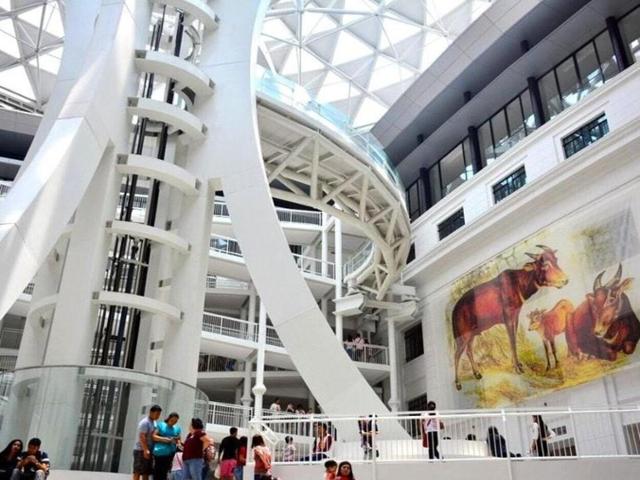
Begin at the National Museum of Anthropology, a grand neoclassical landmark at Rizal Park. Once the Old Department of Finance, this five-story museum showcases priceless artifacts such as the Manunggul Jar, relics from the 1600 San Diego shipwreck, and vivid exhibits celebrating the traditions of the Philippines' diverse indigenous communities.
Continue to Rizal Park (Luneta), the nation's most iconic public space and a symbol of freedom. It was here that national hero Jose Rizal was executed in 1896, igniting the Philippine Revolution. Today, his monument stands as the park's focal point, surrounded by wide lawns, gardens, and historic landmarks that have witnessed pivotal events in the country's journey toward independence.
Next, embark on a walking tour of Intramuros, Manila's historic walled city. Visit San Agustin Church, a UNESCO World Heritage Site renowned for its ornate Baroque interiors and centuries-old relics. Step into Casa Manila, a faithful reproduction of a Spanish-era home that captures the elegance of 19th-century colonial life.
Beyond its monuments, Intramuros also offers a glimpse of real city life--where local residents, students, and artisans coexist with centuries-old architecture. As you wander its cobblestone streets, you'll witness pedicabs weaving through alleys, local vendors selling snacks, and everyday scenes that reflect the charm and resilience of modern Filipino life set against a historic backdrop. Finally, explore Fort Santiago, a citadel steeped in history and forever linked to the legacy of Jose Rizal, its walls bearing silent witness to centuries of triumphs and struggles.
Conclude the day at the Ayala Museum in Makati, one of the Philippines' leading centers of art, culture, and history. Its celebrated Gold of Ancestors exhibit features over a thousand pre-colonial gold artifacts and ornaments--including intricate gold coins, jewelry, and ceremonial items--that reflect the sophistication of early Filipino craftsmanship and trade. The museum's immersive dioramas and interactive exhibits offer a fascinating finale, connecting the country's rich past with its vibrant present.
This enriching tour offers a balanced blend of historical depth, artistic brilliance, and authentic local encounters--perfect for those seeking a comprehensive experience of Manila's diverse heritage.
Itinerary:
* National Museum of Anthropology
Step into the National Museum of Anthropology in Manila--a cultural gem housed in a grand neoclassical building at Rizal Park. Once the Old Department of Finance, the museum now showcases the Philippines' rich history and diverse heritage. Inside, visitors can marvel at treasures such as the famed Manunggul Jar, artifacts from the 1600 San Diego shipwreck, and vibrant exhibits of indigenous traditions, textiles, and rituals. With free admission and welcoming galleries open from Tuesday to Sunday, the museum offers an inspiring journey through the stories and artistry that shape Filipino identity.
* Rizal Park: A Monument to Freedom
Rizal Park (Filipino Liwasang Rizal), also known as Luneta Park or simply Luneta, is a historic urban park located in Ermita, Manila. Covering 58 hectares, it is one of the largest urban parks in the Philippines. The site was originally known as Bagumbayan during the Spanish colonial period and is adjacent to the historic Walled City of Intramuros. The execution of Filipino patriot Jose Rizal on December 30, 1896, in this very area fanned the flames of the revolution against Spain. His monument now enshrines his remains, and the park has since served as the venue for key national events, including the declaration of Philippine independence from the United States in 1946 and the 1986 People Power Revolution.
* Stories Within the Walls of Intramuros
Step back in time with a walking tour of Intramuros, Manila's historic walled city. Visit San Agustin Church, a UNESCO World Heritage Site known for its ornate Baroque interiors and centuries-old relics. Experience colonial elegance at Casa Manila Museum, a beautifully reconstructed Spanish-era house that offers a glimpse of 19th-century life.
As you explore further, discover the living heartbeat of the city--locals going about their daily routines, pedicab drivers navigating narrow streets, and vendors selling fresh coconut juice and snacks to passersby. The mix of old-world charm and vibrant local life gives visitors a unique opportunity to experience Manila's authentic spirit before concluding at Fort Santiago, a mighty citadel that once served as a defense fortress and later as a prison for national hero Jose Rizal--its walls bearing silent witness to centuries of history.
* Ayala Museum: Gold of Ancestors
Located in the heart of Makati, Ayala Museum provides a modern and elegant finale to the tour. Its Gold of Ancestors exhibit showcases over a thousand pre-colonial gold artifacts--coins, jewelry, and ceremonial ornaments--that highlight the artistry and prosperity of ancient Philippine societies. The museum's dioramas and interactive galleries vividly illustrate the nation's evolution from pre-colonial times to the modern era, offering visitors a reflective and inspiring end to their Manila journey.
Note:
Pick-up must be within the main areas of Manila, Pasay, Makati, Pasig, or BGC. Supplementary charges apply for locations beyond the regular route.
Manila's Cultural Tapestry: History, Art & Urban Life
Immerse yourself in the rich cultural fabric of Manila on this thoughtfully curated tour that blends history, fine arts, and vibrant street life.
Begin at the National Museum of History, where you'll journey through the Philippines' storied past. Explore galleries filled with royal artifacts, revolutionary memorabilia, and cultural treasures that narrate the country's evolution from ancient civilizations to modern nationhood. This stop offers a profound insight into the struggles and triumphs that have shaped Filipino identity.
Next, step into the National Museum of Fine Arts, home to masterpieces by renowned Filipino artists such as Juan Luna and Fernando Amorsolo. Admire iconic paintings and sculptures that capture the spirit, beauty, and history of the Philippines. The museum's collection provides a compelling visual narrative of Filipino culture, from colonial times through contemporary expressions.
Conclude your experience with a guided walk through the bustling streets of Quiapo. Dive into the lively atmosphere of this historic district, famous for its fusion of Catholic devotion and folk spirituality. Visit the iconic Quiapo Church, home of the revered Black Nazarene, and explore colorful markets filled with local vendors, herbalists, and artisans. This vibrant neighborhood offers an authentic glimpse into the everyday life and enduring faith of Manila's people.
This enriching tour offers a balanced blend of historical depth, artistic brilliance, and dynamic street culture, perfect for those seeking a comprehensive experience of Manila's diverse heritage.
Itinerary:
* National Museum of History
Step into the National Museum of History, a gateway to the Philippines' rich and diverse past. Housed in the grand Manila Hotel, this museum offers visitors a captivating journey through centuries of Filipino history, from pre-colonial times through Spanish rule, American occupation, and the road to independence. Explore thoughtfully curated exhibits that showcase historical artifacts, documents, and memorabilia that tell the stories of the nation's heroes, revolutionaries, and ordinary citizens who shaped the country's identity. From intricate royal regalia and ancient weaponry to colonial-era furniture and photographs, the museum brings history to life in vivid detail.
Walk through galleries that highlight pivotal moments such as the Philippine Revolution, the Declaration of Independence, and the struggles endured during World War II. The museum also celebrates Filipino culture through displays of traditional costumes, crafts, and artworks that reflect the country's diverse ethnic groups.
* National Museum of Fine Arts
Step into the National Museum of Fine Arts, the premier repository of the Philippines' visual arts heritage. Housed in a stunning neoclassical building in Manila, the museum showcases an impressive collection that spans centuries, offering a rich panorama of Filipino creativity and cultural expression. Marvel at iconic masterpieces by celebrated Filipino artists such as Juan Luna, whose powerful works depict historical and social themes, and Fernando Amorsolo, known for his luminous landscapes and portrayals of rural Filipino life. The museum's galleries feature a diverse array of paintings, sculptures, and prints that chronicle the nation's artistic evolution--from pre-colonial influences and Spanish colonial periods to contemporary and modern art movements. Beyond individual artworks, the museum serves as a vibrant cultural hub, highlighting the intersections of art with Philippine history, identity, and society. Special exhibitions, educational programs, and interactive displays invite visitors to engage deeply with the stories behind the art, fostering a greater appreciation for the country's rich artistic legacy.
* Wander through the colorful alleys of Quiapo
Meander through the vibrant, bustling alleys of Quiapo, where every corner bursts with life and color. This lively district is a sensory feast--filled with the sights, sounds, and scents of Manila's rich street culture. Explore narrow pathways lined with vendors selling everything from fragrant herbs and traditional remedies to colorful textiles, religious icons, and handcrafted souvenirs. Feel the pulse of daily life as locals haggle over goods, street musicians play traditional tunes, and the aroma of sizzling street food fills the air. The alleys of Quiapo are not just marketplaces--they are a living tapestry of faith, commerce, and community where ancient folk traditions blend seamlessly with modern urban energy. Discover hidden gems tucked between bustling stalls--secret shrines, fortune tellers' booths, and centuries-old churches that stand as quiet witnesses to the district's enduring spirit. Wandering these colorful alleys is like stepping into the heart of Manila's soul, offering an authentic glimpse into the everyday lives and enduring faith of its people.
Note:
Pick up must be on the main stream of city center of Manila, Pasay, Makati and Pasig and BGC. Supplement of extra charge applies depending on the area if drop and pick up will be beyond the regular route.
The tour may be scheduled either in the morning at 09:00AM or afternoon at 13:00PM, depending on the guest's preference.
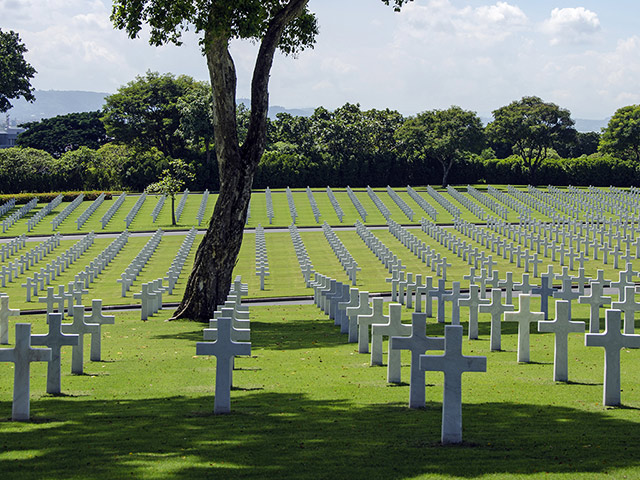
The tour starts right in the heart of the country's financial center - the City of Makati. Drive through Nielson's Tower along Ayala Boulevard and Forbes Park, an exclusive residential enclave fittingly dubbes Millionaire's Row on your way to our first Stop: The American Cemetery and Memorial, reputed to be the largest and most beautiful of American memorial outside the Continental United States. Then proceed to the old city of Manila via Scenic Roxas Boulevard (also known as the Dewey Boulevard in the recent past), passing through Luneta Park (also called Rizal Park in memory if the country's national hero).
After then proceed to your second stop: The ""Walled City""of Intramuros, here you will see ancient walls, church ruins and other relics of the Spanish Conquistadores. Travel through the cobbles streets to San Agustin Church, the oldest stone church in the country.
Your last stop would be at the Fort Santiago, a Spanish fortress that watched over the entrance to Pasig River. It was here that our national hero Dr. Jose Rizal spent his last days and where he wrote his famous ""My Last Farewell"".
Morning Pick-ups
Makati Hotels: Between 9and 9:15am.
Manila Bay Hotels: Between 8:45am and 9am.
Afternoon Pick-ups
Makati Hotels: Between 2pm and 2:15pm.
Manila Bay hotels: Between 1.45pm and 2pm.
Discover the Soul of Manila on Foot and Four Wheels.
Experience the heart of Manila in a day filled with flavor, faith, and history. Begin your journey at the bustling Salcedo Market, where local delicacies, fresh produce, and artisan crafts give you a taste of the city's vibrant culture.
Continue to the majestic San Sebastian Basilica, Asia's only all-steel church, then dive into the spiritual energy of Quiapo Church, a powerful symbol of Filipino faith and devotion.
Take a moment of reflection at historic Rizal Park, where the story of Philippine independence is etched into every path and monument. From there, hop on a classic jeepney ride -- the quintessential Filipino mode of transport -- as you roll through Manila's streets en route to the iconic Intramuros.
Explore the cobbled alleys and stone walls of this centuries-old walled city with a guided walking tour that brings colonial Manila to life. Hear the stories behind Spanish-era architecture, forts, plazas, and churches that shaped the nation's history.
As the sun dips low, ascend to the Firefly Roofdeck for a well-deserved sunset cocktail with panoramic views of the Manila skyline -- the perfect way to toast a day of discovery, culture, and unforgettable sights.
Full-Day Itinerary:
Morning Highlights: Modern Manila & Local Flavor
* Salcedo Sunday Market (For Sunday Tours)
A beloved weekend tradition in Makati, Salcedo Sunday Market is a lively open-air marketplace that brings together a rich mix of culinary flavors, local creativity, and community spirit. Nestled in the upscale Salcedo Village, this bustling market is a go-to spot for both locals and visitors seeking artisanal food, fresh organic produce, regional delicacies, handmade crafts, and gourmet finds.
* Legazpi Active Park
Tucked within the heart of Makati's bustling business district, Legazpi Active Park is a charming green oasis that offers a welcome break from the city's fast pace. Shaded by mature trees and lined with walking paths, this well maintained park is a favorite spot for morning joggers, yoga enthusiasts, families, and those simply looking to unwind amid nature.
* Basilica de San Sebastian
San Sebastian Basilica is a stunning example of neo-Gothic architecture and is famous for being the only all-steel church in Asia and one of the few of its kind worldwide. Built in the late 19th century, its prefabricated steel parts were manufactured in Belgium and shipped to Manila, making it a true engineering marvel of its time. The basilica's intricate steel structure and beautiful stained-glass windows create a breathtaking interior that exudes both strength and elegance. It holds great historical and religious significance as a symbol of Filipino faith and resilience.
* Quiapo Church or Minor Basilica of the Black Nazarene
Officially known as the Minor Basilica of the Black Nazarene, Quiapo Church is one of Manila's most iconic and deeply revered religious sites. It is famous for housing the Black Nazarene, a life-sized, dark wooden statue of Jesus Christ believed by many devotees to be miraculous. The church draws thousands of worshippers and pilgrims, especially during the annual Feast of the Black Nazarene every January, when devotees participate in a massive procession in hopes of receiving blessings and healing. Beyond its spiritual significance, Quiapo Church is a vibrant center of Filipino faith and culture, surrounded by bustling markets and street vendors selling religious items, traditional medicines, and local foods. It's a unique place where devotion, tradition, and everyday life converge. Visiting Quiapo Church offers a powerful glimpse into the heart of Filipino spirituality and community life.
* Rizal Park
Also known as Luneta Park, Rizal Park is one of the most important and iconic landmarks in the Philippines. This sprawling urban green space serves as a tribute to Dr. Jose Rizal, the country's national hero, whose execution here in 1896 sparked the Filipino revolution against Spanish colonial rule. The park offers a peaceful retreat in the heart of Manila, featuring beautifully landscaped gardens, fountains, statues, and wide open spaces perfect for leisurely walks and quiet reflection. Visitors can explore various monuments honoring Filipino heroes, including the prominent Rizal Monument, a symbol of patriotism and national pride. Rizal Park is also a popular spot for locals and tourists alike to gather for picnics, cultural events, and outdoor activities. Its serene ambiance and historical significance make it an ideal place for contemplation, memorable photos, and to soak in a vital piece of Philippine history.
* Short Jeepney Ride from Burgos to Intramuros (Jeepney Ride Experience)
No trip to Manila is complete without experiencing a ride in the Philippines' most iconic mode of public transportation--the jeepney. Originally repurposed from U.S. military jeeps after World War II, these colorful, open-air vehicles have since become a cultural symbol, known for their vibrant designs and communal spirit. As part of your tour, enjoy a brief but memorable ride in a traditional jeepney, allowing you to travel like a local between select stops (subject to timing and availability). Feel the breeze, mingle with passengers, and snap some photos as you get a taste of everyday Filipino life from the back of this beloved city staple. It's a lighthearted and authentic cultural experience that adds a fun local flavor to your day.
* Lunch at Barbara's Heritage Restaurant
Step back in time as you dine at Barbara's Heritage Restaurant, a beloved institution nestled in the heart of Intramuros, Manila's historic walled city. Housed in a beautifully preserved Spanish colonial-era home, Barbara's offers more than just a meal--it provides an immersive cultural experience. With its elegant wooden interiors, capiz shell windows, antique furnishings, and warm Filipino hospitality, the ambiance transports you to the Philippines' Spanish colonial past.
The restaurant specializes in classic Filipino cuisine, lovingly prepared using traditional recipes and local ingredients. From savory dishes like kare-kare (peanut stew) and adobo, to sweet treats like leche flan and kakanin, every bite tells a story of heritage and homegrown flavor. On some days, cultural performances featuring folk music and traditional dances accompany the meal, enriching your appreciation for Filipino traditions.
It's an ideal midday pause that combines history, gastronomy, and local charm--all under one iconic roof.
Afternoon Highlights: Old Manila & Heritage Walk
* Intramuros Walking Tour
Step back in time as you explore Intramuros, the historic walled city at the heart of Manila. Known as the "City Within a City," Intramuros is a captivating blend of Spanish colonial architecture, cobblestone streets, and centuries-old landmarks that tell the story of the Philippines' rich past. Your guided walking tour will take you through iconic sites such as Fort Santiago, once a fortress and military prison; the beautifully restored San Agustin Church, a UNESCO World Heritage site; and the majestic Manila Cathedral. Along the way, you'll learn fascinating stories about colonial life, local heroes like Jose Rizal, and the resilient spirit of Manila's people. Wander through plazas, admire historic walls and gates, and soak up the timeless charm of this cultural treasure. The tour offers a rare opportunity to connect with Manila's heritage in an intimate, immersive way--right on foot.
* Manila Cathedral
Known officially as the Minor Basilica and Metropolitan Cathedral of the Immaculate Conception, the Manila Cathedral stands as one of the most iconic religious landmarks in the Philippines. Located within the historic walls of Intramuros, this majestic cathedral is a stunning example of Romanesque architecture, featuring intricate stained-glass windows, towering spires, and beautifully crafted stonework. The cathedral has a rich history, having been rebuilt several times due to natural disasters and war, each time rising stronger as a symbol of faith and resilience for the Filipino people. Inside, visitors can admire exquisite religious art, detailed murals, and a peaceful sanctuary that invites quiet reflection. Beyond its architectural grandeur, the Manila Cathedral plays an important role as the spiritual heart of the Catholic Church in the Philippines, hosting major religious events and ceremonies throughout the year. A visit here offers not just a glimpse into Manila's religious heritage, but also a moment to appreciate the enduring spirit of its community.
* San Agustin Church (UNESCO World Heritage Site)
Step into one of the Philippines' most treasured historical landmarks, San Agustin Church, a designated UNESCO World Heritage Site and the oldest stone church in the country. Located within the walls of Intramuros, this 16th-century Baroque masterpiece has stood resilient through earthquakes, wars, and the passage of time, making it a symbol of Manila's rich colonial heritage. The church's architecture is a stunning blend of European Baroque and local craftsmanship, featuring intricately carved wooden ceilings, ornate altars, and beautiful trompe-l'oeil murals that create an illusion of three-dimensional depth. Inside, you'll find a serene and sacred atmosphere, with centuries-old religious relics and artifacts that tell stories of faith and history. San Agustin Church is not only a place of worship but also a cultural treasure that reflects the blending of Spanish and Filipino traditions. Visitors can also explore the adjacent San Agustin Museum, which houses a fascinating collection of ecclesiastical vestments, artworks, and historical items that deepen the understanding of the country's past.
* Fort Santiago
Step back in time at Fort Santiago, one of Manila's most iconic historical landmarks nestled within the walls of Intramuros. Built in the late 16th century by Spanish conquistadors, this formidable fortress served as a key military defense structure guarding the entrance to the city. Fort Santiago is not only a symbol of colonial power but also a poignant site of Filipino resilience and history. It was used as a prison and torture chamber during various periods, including the Spanish colonial era and World War II. Most notably, it is the place where Dr. Jose Rizal, the Philippine national hero, was imprisoned before his execution -- a fact commemorated by a dedicated shrine and museum within the fort grounds. Today, visitors can explore the well-preserved ruins, lush gardens, and scenic views of the Pasig River. Walking through the stone walls and courtyards, you'll find exhibits showcasing artifacts, historical documents, and multimedia presentations that bring to life the complex history of the Philippines. Fort Santiago offers a reflective and educational experience, allowing you to connect deeply with the country's struggle for freedom while enjoying the serene atmosphere of this beautiful heritage site.
Evening Finale: Sunset with a View
* Sunset Drinks at Firefly Roofdeck Bar (City Garden Grand Hotel, Makati)
Wrap up your day of discovery with a relaxing evening at the stylish Firefly Roofdeck Bar, perched atop the City Garden Grand Hotel in vibrant Makati. Sip on a refreshing cocktail or mocktail as you take in sweeping panoramic views of the Manila skyline bathed in the warm glow of the setting sun. The rooftop's cozy ambiance and gentle breeze create the perfect backdrop to unwind and reflect on the day's adventures. Whether you're enjoying lively conversations or soaking in the city lights slowly twinkling to life, Firefly offers a memorable finale blending urban sophistication with a touch of tranquility.
Guests will have 1 Free Cocktail per pax. It's the ideal spot to toast to your Manila journey, capture stunning sunset photos, and savor the magic of the city as day turns to night.
This tour is perfect for culture lovers, history buffs, and curious travelers seeking the real Manila -- one church, one street, and one story at a time.