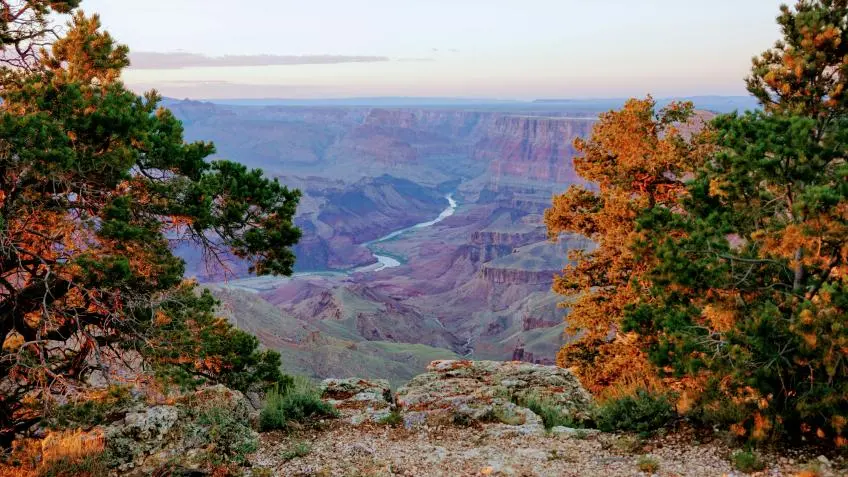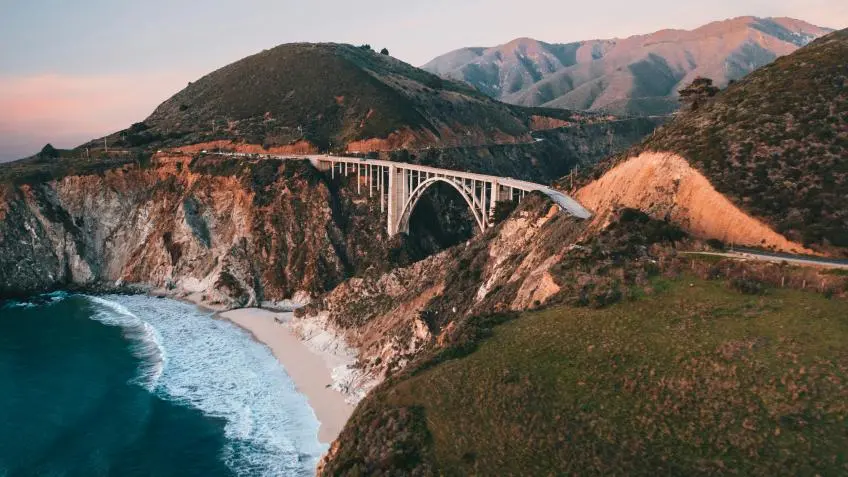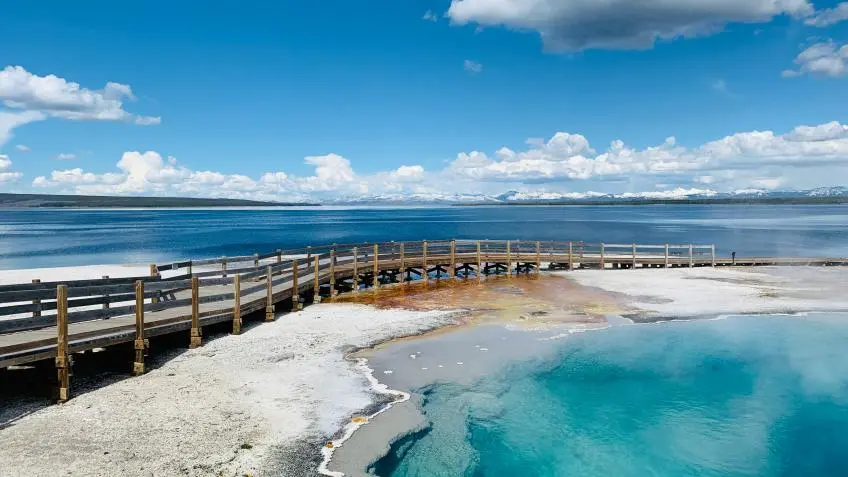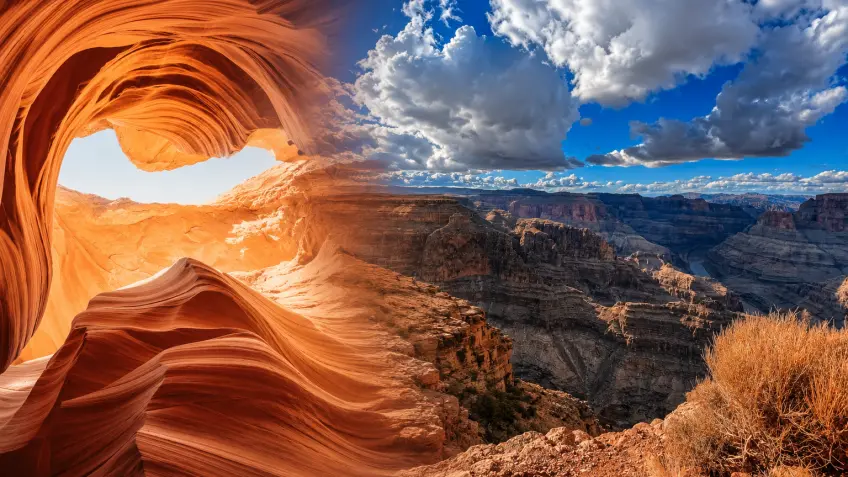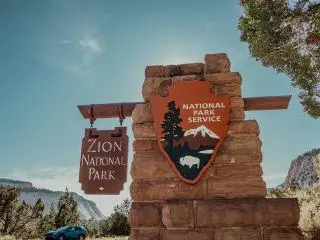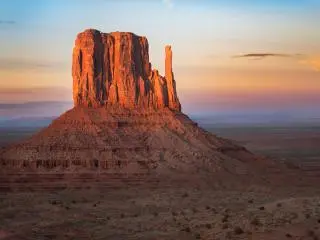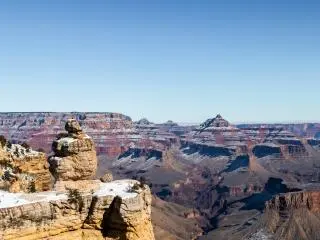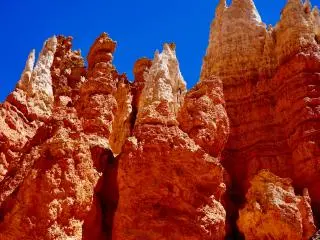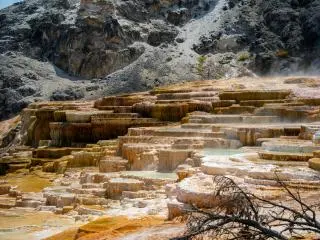
West Coast tours and vacation packages cover the American West from the desert canyons of the Southwest to the Pacific shore. Routes run in two directions — east to the Grand Canyon, Antelope Canyon and the Utah parks, or north along the California coast through Monterey to San Francisco and Yosemite. Longer routes reach Yellowstone and Grand Teton in summer, when the park roads are open. Hotels, transport and a guide are included on most multi-day packages.
The West is big, and four days is enough for one direction but not two. Pick a route to see the tours, prices and how many days you'll need.
| Trip | Days | You'll see | From | Best for |
|---|---|---|---|---|
| Southwest canyon trips | 2-4 Days | East into the desert — the Grand Canyon rim, Antelope Canyon and Horseshoe Bend, with Zion and Bryce on longer routes | $263 | A first trip West |
| California coast trips | 2-4 Days | North from Los Angeles through Monterey and Big Sur to San Francisco, with Yosemite inland | $246 | Cities and coastline |
| Yellowstone and the Rockies | 5+ Days | The longest routes, north through Utah and Wyoming to Yellowstone and Grand Teton; summer only | $704 | Wildlife and geysers |
Which city you fly into decides which half of the West you see. Los Angeles has the most routes and is the only one that opens both directions — east to the canyons or north up the coast. Las Vegas sits closest to the Southwest canyons, near enough to reach the Grand Canyon and return the same day. San Francisco is the northern end of the coast route and the way in to Yosemite. Salt Lake City is the closest city to Yellowstone, so more of the trip is spent inside the park.
Four days covers one direction — either the Southwest canyons or the California coast. Seven days is the point where both fit on the same route, and where Yellowstone becomes reachable from the coast. Nine days and over combine all three regions. Under four days, a trip works better based in one city with day trips out from it than moving between cities.
Yes, on routes of seven days and over. These board in Los Angeles or Las Vegas, run east to the Grand Canyon and Antelope Canyon, then turn back west and north through Monterey to San Francisco and Yosemite. A long desert crossing separates the two halves, which is why shorter itineraries pick one direction. Some of these routes finish in a different city from where they started.
A large part of it. The main sights sit in different states — the canyons in Arizona and Utah, the coast in California, Yellowstone in Wyoming — so travel days are built into every multi-day itinerary. The longest legs usually fall on the days between regions rather than within them, and coach routes break the distance with scheduled stops. Each tour page lists the route day by day.
Not always. Several routes are one-way — Los Angeles to San Francisco along the coast, San Francisco south to Los Angeles or San Diego, and Denver or Las Vegas to Salt Lake City on Yellowstone routes. The ending city is stated on each tour page. On one-way routes, return transport to the starting city is not included, so book your outbound and return flights to match before confirming.
It depends which part. The Southwest canyons are hottest from June to August and mildest in spring and fall. The California coast stays cool year-round, with fog common on summer mornings. Yellowstone and Grand Teton run in summer only, as the park roads close for winter. A route crossing more than one region will meet different conditions in each, so layers matter more than a single forecast suggests.
Multi-day tours include hotel accommodation, coach transport and a guide throughout the route. Park entrance fees vary by itinerary and are listed on each tour page. All activities are optional, and the advertised price includes every mandatory fee. Optional add-ons such as theme park admission are priced separately and can be declined. Some routes run as small groups in vans rather than full coaches.
Distance is the main consideration — West Coast routes involve longer stretches on the road each day than city-based trips elsewhere in the US. Viewpoints at the canyons and in the parks are reached on formed paths and boardwalks rather than hikes. Many tours carry a Senior-Friendly label and are marked Moderate Activity. Several destinations sit at altitude, which travelers arriving from sea level sometimes notice on the first day.
Meals are not usually included, and groups stop where travelers order individually. Food options inside the national parks are limited to lodges and visitor facilities, and stops between them can be far apart, so carrying water and something to eat is worth doing. Many tours carry a Vegetarian-Friendly label, meaning vegetarian options are available at the planned stops. Note dietary requirements when you book rather than on the day.
|
||
Thank you for signing up for the TakeTours.com newsletter. |
Tours board in Los Angeles, San Francisco, Las Vegas, Denver or Salt Lake City, depending on the route. Many include airport pickup for travelers arriving the same day. The exact pickup point and time are set by the route and shown on your confirmation, not chosen at checkout.
It depends on the route. Some tours return to the departure city and others finish elsewhere — Salt Lake City, San Francisco, Los Angeles or San Diego. The ending city is shown on each tour page, so confirm it before booking flights. Return transport to the starting city is not included on one-way routes.
Guiding language varies by departure. Many West Coast routes are guided in English and Mandarin, and some run in English only. The tour page states the guiding language for each departure, so check it before booking. Written itineraries and booking support are available in other languages.
Tours marked with a group discount apply 3% off when nine or more travelers book in a single order. The discount is applied automatically at checkout. The label appears on the tour page where it applies.