Explore South Korea through royal palaces, traditional neighborhoods, local food and cultural journeys. Choose a multi-day tour from Seoul to discover destinations such as Jeonju, Gyeongju and Busan, or add a day trip to your own itinerary. Compare the departure and ending cities, guide language, accommodation and included activities before booking.
Compare vacation packages, sightseeing experiences and tours departing from Seoul. Categories may contain some of the same tours. Check the starting city, ending city and countries visited on each itinerary. Browse all South Korea tours.
| Trip | Days | You'll see | From | Best for |
|---|---|---|---|---|
| South Korea Vacation Packages | 5-13 Days | Multi-day packages featuring South Korea; compare departure cities, overnight stops and any international extensions | $1345 | Planning a longer trip |
| South Korea Sightseeing Tours | 1 Day | Day trips and local experiences; check the departure city, activity duration, admissions and guide language | $12 | Adding a day or activity |
| Vacation Packages from Seoul | 5-13 Days | Multi-day packages starting in Seoul; compare the final city, transportation and accommodation arrangements | $1345 | Starting a vacation in Seoul |
Five to seven days is a practical starting point for a first trip to South Korea, allowing time to explore Seoul and add a few nearby excursions. With eight to twelve days, travelers can consider combining Seoul with destinations such as Jeonju, Gyeongju, Busan or Gangwon-do. Shorter two- or three-day visits are better focused on one city. Travel time between regions, hotel changes and available departure dates should be considered when choosing a multi-day itinerary.
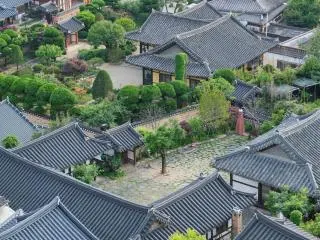
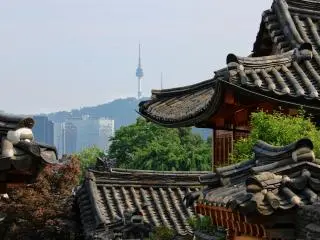
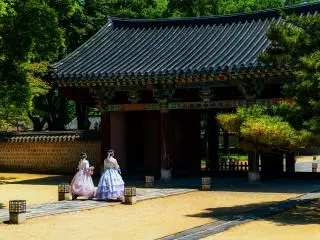
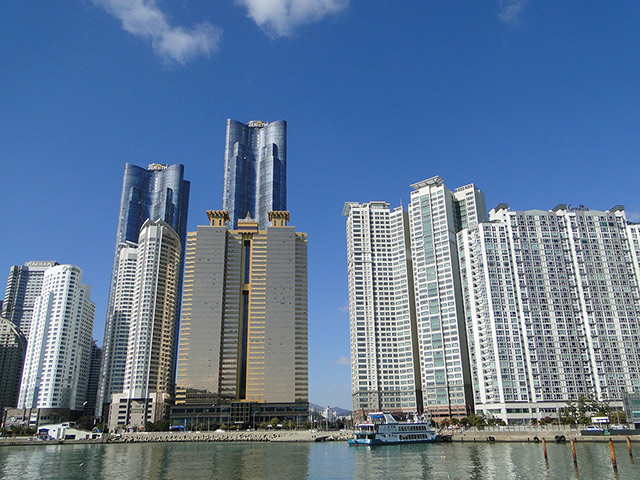
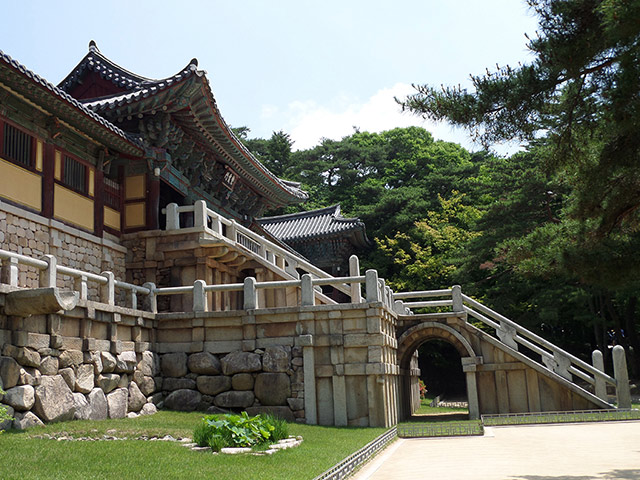
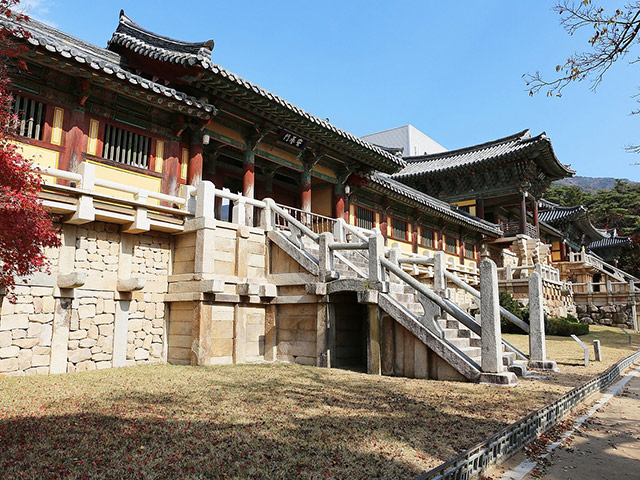
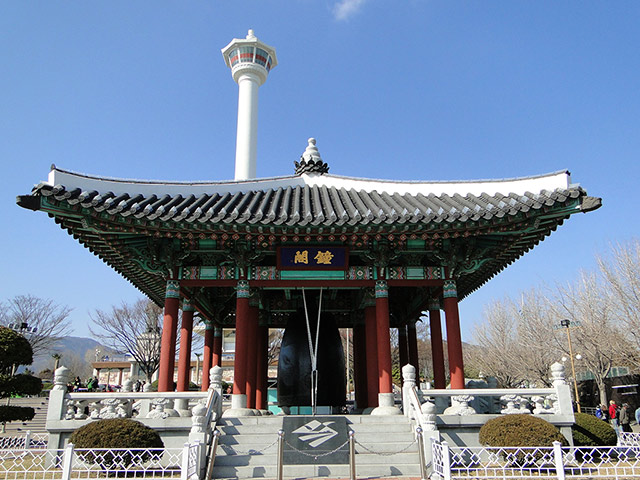
Popular South Korea attractions include Gyeongbokgung Palace, Bukchon Hanok Village, N Seoul Tower and traditional markets in Seoul. Other well-known destinations include the historic sites of Gyeongju, the traditional houses of Jeonju Hanok Village, Busan's coastal neighborhoods and the natural scenery of Gangwon-do. Nami Island and selected DMZ observation sites are also popular excursions from the Seoul area. Not every tour covers all these attractions, so compare the actual itinerary and sightseeing stops.
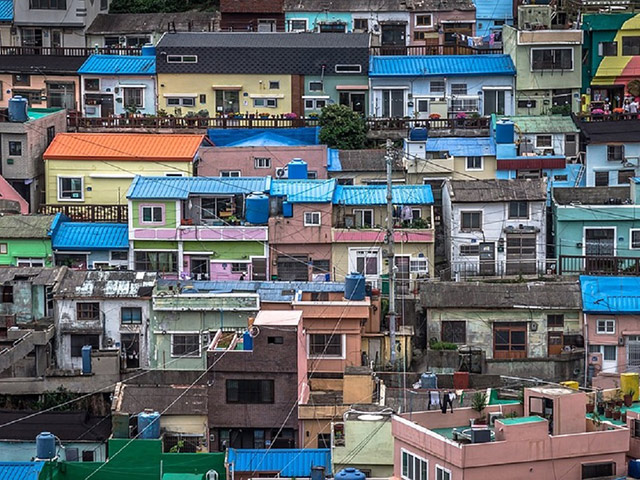
Seoul is the capital of South Korea and a major center for royal history, museums, shopping, food and modern Korean culture. Busan offers a different atmosphere, with beaches, coastal scenery, seafood markets and hillside neighborhoods. First-time visitors often begin in Seoul, while travelers with additional time may add Busan to experience a coastal city. The two cities are connected by high-speed rail and other transportation options. Choose according to your interests, available time and tour departure location.
A visit to the Korean Demilitarized Zone (DMZ) area offers insight into the division of the Korean Peninsula and its modern history. Depending on the itinerary and access permissions, excursions may include observation points, historical exhibitions or the Third Infiltration Tunnel. Not all tours enter the same areas, and some restricted locations require special arrangements. Access may change because of security conditions or military operations. Check identification requirements, nationality restrictions, permitted photography and the exact itinerary before booking.
Nami Island is known for its tree-lined paths, seasonal scenery and association with Korean television dramas. It is a popular excursion from the Seoul area and is often combined with other attractions around Gapyeong or Chuncheon. Spring and autumn offer distinctive landscapes, while winter has a quieter seasonal atmosphere. Transportation and activity combinations differ by operator. Check whether the island entrance fee, transfers and additional stops are included in your selected excursion.
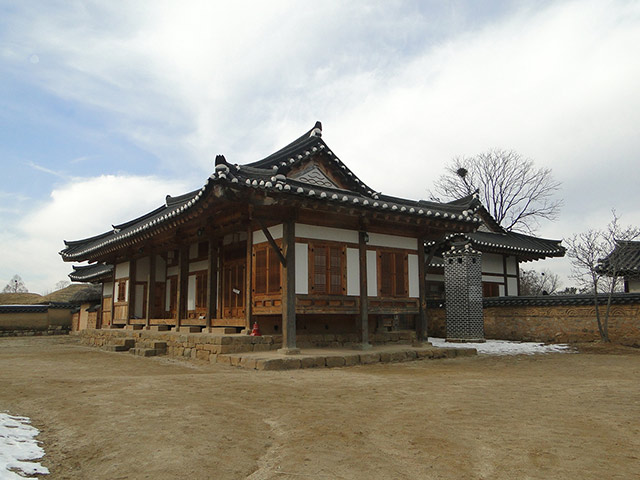
Gyeongju is known for its Silla-era heritage, ancient royal tombs, temples and historic sites. Jeonju is especially popular for its traditional hanok neighborhood, local cuisine and Korean cultural experiences. Gyeongju may appeal more to travelers interested in archaeology and historical monuments, while Jeonju is attractive for traditional architecture, food and cultural activities. Some multi-day itineraries include one or both cities, but travel routes and sightseeing stops vary.
Gangwon-do is known for its mountains, forests, national parks, seasonal scenery and winter recreation areas. Depending on the destination, visitors may explore mountain viewpoints, traditional towns, coastal attractions or ski resorts. Areas such as Sokcho and the Seoraksan region are associated with mountain scenery, while other parts of Gangwon-do offer different outdoor experiences. Some attractions are seasonal, and travel times from Seoul can be significant. Check the location, activity requirements and tour schedule before booking.
Spring, from March through May, and autumn, from September through November, are popular seasons for sightseeing in South Korea. Spring is associated with cherry blossoms and seasonal flowers, while autumn brings colorful foliage in parks and mountain regions. Summer can be hot and humid, with periods of heavy rainfall. Winter is cold, particularly inland and in mountainous areas, but offers snow scenery and seasonal activities. Blossom and foliage timing varies by region and weather, so peak conditions cannot be guaranteed.
Independent travel is convenient in major cities such as Seoul and Busan, where public transportation networks are extensive. Guided excursions may be useful for destinations that involve multiple transfers, language barriers or more complex transportation arrangements, such as selected regional day trips. Multi-day packages can also simplify hotel and intercity travel planning. Some tours are fully guided, while others combine arranged services with free time. Compare the guiding language, group size, transportation, included attractions and flexibility before deciding.
Yes. Seoul and Busan can be combined in a multi-city itinerary, with travel between the cities commonly arranged by high-speed train, other rail services or organized transportation. Depending on the route, travelers may also visit destinations such as Gyeongju, Jeonju or Daegu. Some vacation packages return to Seoul, while others finish in Busan or another city. Domestic transportation is not automatically included in every package, so confirm the exact start and end points, hotel nights and transport arrangements before booking flights.
South Korea offers many attractions suitable for families and older travelers, including museums, cultural villages, city sightseeing and selected scenic excursions. However, some historic neighborhoods have slopes, palace grounds can involve considerable walking, and mountain attractions may require stairs or more demanding trails. Certain DMZ experiences also involve specific access rules and walking conditions. Travelers seeking a gentler pace should compare daily vehicle time, walking distances, accessibility, hotel arrangements and optional activities before booking.
South Korea's entry requirements depend on nationality, passport type, travel purpose and immigration eligibility. Some travelers require a visa, while others may be eligible for visa-free entry. The Korea Electronic Travel Authorization (K-ETA) may apply to certain eligible travelers, with exemptions or temporary policy changes affecting specific nationalities. Check the latest requirements through the official Korea Visa Portal and K-ETA website before departure. A confirmed tour booking does not guarantee entry.
Selected South Korea tours offer English-speaking or Chinese-speaking guides, but language availability varies by operator, product and departure date. Some itineraries provide a guide throughout the trip, while others offer local guiding only at scheduled attractions or combine transportation with independent sightseeing. Multi-day packages may use different guides in different cities. Confirm the exact guiding language, guided portions and any language-specific departure requirements before booking.
Tour departure locations vary by product. Many Seoul-area excursions use designated city meeting points, selected hotels or major transport hubs, while other activities may depart from Busan or another region. Hotel pickup and drop-off are not automatically included. Some tours require participants to arrive at the meeting point independently, and additional transfer fees may apply. Check the exact departure city, pickup eligibility, meeting time and return arrangements before booking.
Included services depend on the selected itinerary. Some South Korea vacation packages include hotel accommodation, selected meals, organized transportation and specified attraction admissions, while other products require separate payment for certain services. Day tours generally do not include overnight accommodation. Palace admissions, cultural activities, theme-park tickets and optional experiences may have different inclusion rules. Review the Included, Excluded, Optional Activities and Additional Fees sections before booking.
Many DMZ-related excursions require participants to carry a valid passport or another specifically accepted identification document. Nationality, age or security restrictions may apply to certain areas. Some itineraries visit publicly accessible observation sites, while access to more restricted locations may be subject to additional approval. Military operations, security conditions or local closures can change or cancel visits, sometimes with limited notice. Confirm identification requirements, permitted access, itinerary alternatives and refund conditions before booking.
Intercity transportation inclusions vary by package. Some multi-day tours arrange private vehicles, coaches or rail travel between Seoul, Busan and other destinations, while others require travelers to purchase certain segments separately. Domestic flights and international flights are not automatically included unless specifically stated. Tours may also finish in a different city from where they started. Confirm transportation inclusions, luggage conditions, starting city and ending city before purchasing flights or onward tickets.
Not necessarily. South Korea vacation packages and sightseeing tours may focus entirely on destinations within South Korea, while selected multi-country itineraries may also visit Japan or other Asian destinations. A tour appearing in a South Korea search result does not automatically mean it stays within Korea or includes Japan. Cross-border travel may require separate flights, entry documents and additional transportation arrangements. Check the complete country list, daily route, departure and ending cities, and included international transportation before booking.
Solo travelers can book selected South Korea group tours, but booking conditions vary. Some departures accept individual reservations and apply a single-room supplement, while others require a minimum number of participants or have different room-sharing arrangements. Cancellation and amendment policies depend on the supplier, departure date and booked services. Hotels, transportation tickets and certain attraction admissions may have separate restrictions or nonrefundable components. Check the total solo-traveler price, departure requirements and specific cancellation deadlines before booking.
|
||
Thank you for signing up for the TakeTours.com newsletter. |