
13-Day South Korea Classic Tour from Seoul
From
US$2809 ¥18762 €2502 C$3951 Rs.265650
US$3122 ¥20852 €2781 C$4391 Rs.295251
Offer Ends
10/29/2026
New customer offer
Save up to $100 on your first order
Sign up to get your coupon
Price a Trip, Book Now
room-based
Room, adult, and child counts are sent to the cart for final pricing, including any room-based supplement.
Age 2-9
Highlights
Visit Seoul, Busan, Jeonju, Gyeongju, Jeju Island.
- Explore Gyeongbokgung Palace
- Visit the DMZ and glimpse North Korea
- Stay in a traditional Hanok house in Jeonju
- Cycle through UNESCO heritage sites in Gyeongju
- Hike Seongsan Ilchulbong
Dates & Prices
Price in USD (per person, based on double occupancy)
Itinerary
Meet the group in the Myeongdong district and enjoy your first Korean meal during the included welcome dinner.
After breakfast, head to the trendy Hapjeong neighbourhood for a K-pop dance class with a professional instructor, followed by a visit to HiKR, an interactive cultural centre. The afternoon is free to explore. Suggested options include shopping in Myeongdong for K-pop merchandise or visiting Myeongdong Cathedral.
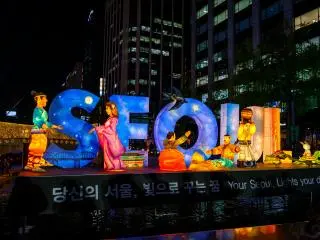
Seoul, Korea, Republic of
Seoul is the capital and largest metropolis of South Korea. The Seoul Capital Area, which includes the surrounding Incheon metropolis and Gyeonggi province, is the world's second largest metropolitan area with over 25.6 million people, home to over half of South Koreans along with 632,000 international residents.
Hikr Ground
HiKR Ground was named by combining âHiâ and âKoreaâ with the concept of a playground (âGroundâ). It is a promotional hall that takes a new approach by integrating Extended Reality (XR). The attraction provides a space for everyone to freely roam and enjoy everything HiKR Ground has to offer. The space is filled with technology aimed for the younger generation with smart technology applied to diverse Korea content, including the areas of hallyu, arts and more.
Visit the Demilitarized Zone, where you can look toward North Korea and observe the contrast between the two nations. Explore tunnels dug by the North, hear stories from the area, and join a Q&A session with a North Korean defector. Return to Seoul at around 4:00 p.m., followed by a Korean dinner.
Seoul, Korea, Republic of
Seoul is the capital and largest metropolis of South Korea. The Seoul Capital Area, which includes the surrounding Incheon metropolis and Gyeonggi province, is the world's second largest metropolitan area with over 25.6 million people, home to over half of South Koreans along with 632,000 international residents.
DMZ
Visit the Korean Demilitarized Zone from Seoul for a unique glimpse into Cold War history and the ongoing peace process on the Korean Peninsula.
Infiltration tunnels
Explore the Third Infiltration Tunnel, a Cold War-era secret passage dug by North Korea, now a key stop on DMZ tours from Seoul.
Step back into the Joseon Dynasty, beginning with the Changing of the Guard at Gyeongbokgung Palace. Explore the palace courtyards, architecture, and gardens, then stroll through Bukchon Hanok Village and visit Insadong. In the evening, take a street food tour of Gwangjang Market and enjoy the illuminated night views from Namsan Mountain. Optional activities include Hanbok rental and traditional lunch.
Seoul, Korea, Republic of
Seoul is the capital and largest metropolis of South Korea. The Seoul Capital Area, which includes the surrounding Incheon metropolis and Gyeonggi province, is the world's second largest metropolitan area with over 25.6 million people, home to over half of South Koreans along with 632,000 international residents.
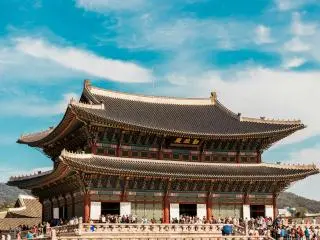
Gyeongbokgung
This palace in Seoul was once the main palace of the Joseon dynasty, built in 1395. Within, visitors will be able to find the National Palace Museum of Korea and the National Folk Museum.
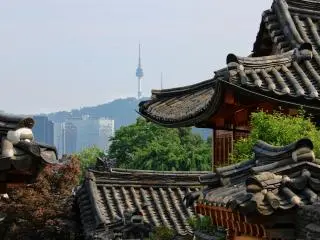
Bukchon Hanok Village
A Korean traditional village in Seoul with a long history located on the top of a hill between Gyeongbok Palace, Changdeok Palace and Jongmyo Royal Shrine. The traditional village is composed of lots of alleys, hanok and is preserved to show a 600-year-old urban environment.
Insa-dong
A dong, or neighborhood of the Jongno-gu district of Seoul. The main street is Insadong-gil. At one time it was the largest market for antiques and artworks in Korea.
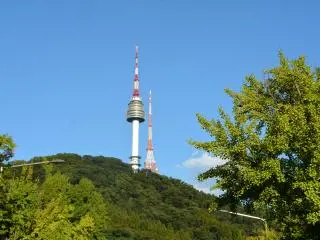
Namsan Park
This mountain in South Central Seoul provides amazing views of the city at any time of the day and offers hiking trails and picnic areas.
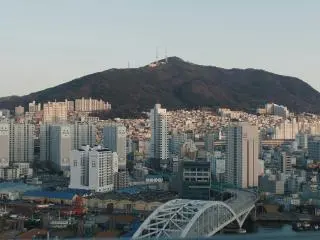
Busan, Korea, Republic of
South Korea's second most-populous city after Seoul, the economic, cultural and educational center of southeastern Korea. It hosted the APEC in 2005, the 2002 Asian Games and FIFA World Cup. It is home to the world's largest department store, the Shinsegae Centum City. Busan was added to the UNESCO Creative Cities Network as a "City of Film" in December 2014.
Gukje Market Food Street
Gukje Market Food Street boasts over 60 years of history. It offers delicious Korean food such as gimbap, sundae (Korean blood sausage), and noodles. The open seating and street dining are representative characteristics of the traditional marketplace. The area specialty is Chungmu Gimbap (rolls made of dried seaweed stuffed with rice and served with spicy radish and boiled squid) and is wildly popular among Koreans and international tourists
Experience a working temple nestled in the mountains outside Seoul. Take part in temple life, including evening bell tolling and prayer chanting, and enjoy time to reset and recharge before the next stage of the trip. Optional singing bowl meditation available.
After morning chanting and breakfast, leave the mountain retreat for Jeonju, a city known for its cuisine, drinks, and traditional village. Check into a Hanok guesthouse and later sample Korean rice wines while learning about local drinking culture. You may also explore Makgeolli Alley and try anju. Optional activities include traditional bibimbap lunch and visiting Gyeongijeon Shrine.
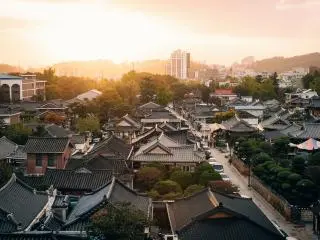
Jeonju, Korea, Republic of
It is an important tourist center famous for Korean food, historic buildings, sports activities, and innovative festivals.
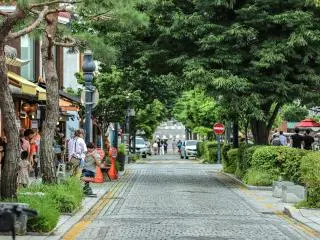
Jeonju Hanok Village
The village contains over 800 Korean traditional houses called 'Hanok', famous among Koreans and tourists because of its traditional buildings that strongly contrast with the modern city around it.
Gyeonggijeon Shrine
Gyeonggijeon is the hall where the portrait of Lee Seonggae is enshrined. It was built in 1410, in the 10th year of King Taejong's rule. Gyoenggijueon is designated as the Private Historical Landmark of Korea #339, while the portrait of Lee Seonggae itself is designated as the National Treasure #317.
Makgeolli Alley
Discover Makgeolli Alley in Jeonju, a lively lane near the Hanok Village where you can sample traditional Korean rice wine and local snacks.
Travel by bus to Gyeongju, the ancient capital often called the ‘Museum Without Walls’ because of its UNESCO sites, temples, and royal tombs. After check-in, explore the city by bicycle and visit its major landmarks. In the evening, visit Donggung Palace and see the reflections of Anapji Pond.
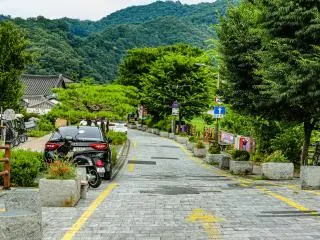
Gyeongju, Korea, Republic of
Gyeongju was the capital of the ancient kingdom of Silla (57 BC – 935 AD), which ruled about two-thirds of the Korean Peninsula at its height between the 7th and 9th centuries. A vast number of archaeological sites and cultural properties from this period remain in the city.
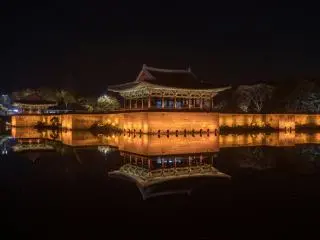
Wolji Pond
Formerly known as Anapji, Wolji Pond is an artificial oval shape pond in Gyeongju National Park, South Korea. It was part of the palace complex of ancient Silla (57 BCE – 935 CE), 200m from east to west and 180m from north to south and contains three small islands.
Continue exploring Gyeongju. After breakfast, learn Taekwondo at a dojang from expert instructors, then visit Bulguksa Temple, known for its architecture and serene setting. The evening is free to visit bars and restaurants in the old town.
Gyeongju, Korea, Republic of
Gyeongju was the capital of the ancient kingdom of Silla (57 BC – 935 AD), which ruled about two-thirds of the Korean Peninsula at its height between the 7th and 9th centuries. A vast number of archaeological sites and cultural properties from this period remain in the city.
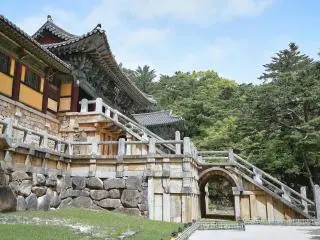
Bulguksa Temple
A head temple of the Jogye Order of Korean Buddhism classified as Historic and Scenic Site No. 1 by the South Korean government.In 1995, Bulguksa was added to the UNESCO World Heritage List together with the Seokguram Grotto, which lies four kilometers to the east.
Travel to Busan, a coastal city surrounded by mountains and beaches. Explore Jagalchi Market and nearby shopping areas, then ride the Songdo cable car for panoramic views. In the afternoon, visit Gamcheon Cultural Village or relax in a jjimjilbang. End the day with a private karaoke session.
Busan, Korea, Republic of
South Korea's second most-populous city after Seoul, the economic, cultural and educational center of southeastern Korea. It hosted the APEC in 2005, the 2002 Asian Games and FIFA World Cup. It is home to the world's largest department store, the Shinsegae Centum City. Busan was added to the UNESCO Creative Cities Network as a "City of Film" in December 2014.
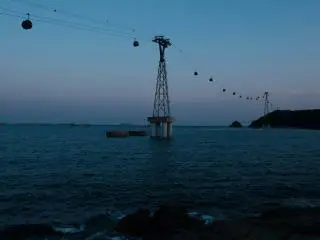
Songdo Marine Cable Car
South Korea's first coastal cable car in Busan, offering breathtaking ocean views from crystal cabins. Connects Songdo Beach to Amnam Park (1.62km ride). A must-do for panoramic photo opportunities!
The morning is free before boarding the flight. Arrive in Jeju by early afternoon, check in, and prepare for the upcoming days of exploration.
Travel across Jeju Island by public bus to Seongsan Ilchulbong, a volcanic tuff cone formed by ancient eruptions. Complete the short but steep hike to the summit for sweeping ocean views. After free time for lunch, visit the Daepo Jusangjeolli Cliffs, known for their geometric volcanic rock formations, and Yakcheonsa Temple, set beside a mineral spring and facing the Pacific. Return to the hotel in the afternoon for free time. Optional activities include beach visit, waterfall visit, and sunset sailing.
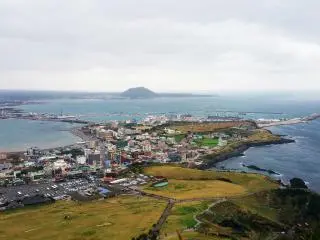
Jeju Island, Korea, Republic of
Jeju Island, located off the southern coast of South Korea, is a unique destination popularized by natives and tourists alike. Known as the "Island of the Gods," Jeju Island offers spectacular geographic features like beaches, caves, and lava columns, as well as unusual theme parks, museums, and more.
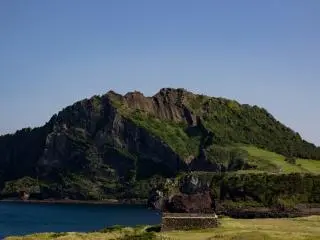
Seongsan Ilchulbong
This tuff cone was formed by volcanic eruptions that occurred roughly 5,000 years ago. Just barely connected to the mainland, the crater rises high out of the sea. It is a great place to explore on a sunny day.
Walk sections of the Olle Trail, passing ocean views, fields, villages, and dramatic rock formations. Visit Jeongbang Waterfall, a 23-metre waterfall that drops onto rocks beside the ocean. Spend the afternoon exploring with the group, followed by a farewell evening in Jeju. Optional activities include beach visit and Saeyeongyo Bridge.
Jeju Island, Korea, Republic of
Jeju Island, located off the southern coast of South Korea, is a unique destination popularized by natives and tourists alike. Known as the "Island of the Gods," Jeju Island offers spectacular geographic features like beaches, caves, and lava columns, as well as unusual theme parks, museums, and more.
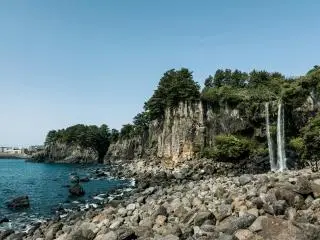
Jeongbang Waterfall
The waterfall is 23 m (75 ft) high and is very close to the ocean.Depending on the level of recent rainfall, it can be up 8 m (26 ft) wide.
After the final breakfast, continue your onward journey with memories and friendships from the trip.
Includes & Excludes
Price Includes
Price Excludes
Additional Notes
- What is the age range of the tour? The tour is open to guests aged 18-59. Most guests are between 21 and 35 years old.
- Where should I fly into? Incheon International Airport (ICN).
- Will I be picked up from the airport? Airport transfers are not currently offered. Clear instructions will be provided for travelling from the airport to the starting accommodation using Korea’s rail network.
- Is Wi-Fi available throughout the trip? Wi-Fi is available at all accommodations during the trip.
- What is the rooming situation? The trip uses a mixture of multi-share and twin accommodation. Guests are paired with someone of the same sex. Twin and single upgrades are available.
- Is drinking water safe in South Korea? South Korea generally has safe drinking water. Its water treatment and distribution systems meet or exceed international standards for water quality.
- What address should I use for a visa or K-ETA application? Use the first starting hotel as the address reference for the visa application.
- Can dietary requirements be accommodated? South Korea has very limited options for vegans. Email enquiries@onelifeadventures.com.au with dietary requirements before booking.
Policies
All purchases are subject to re-confirmation within 2-3 business days after booking. Please do not book airline tickets until you have received the confirmation.
Complete operator information, including local telephone numbers at your destination, is included on your e-ticket. You must print the e-tickets and take them along on your trip; they are your proof of purchase.
Q & A
Customer Q & As
Ask a QuestionReviews
Please post your review to earn 100 points and help other travelers make confident decisions.
Photos
Upload Your Trip Photos & Earn Rewards
Upload 3 or more approved trip photos and earn 300 Loyalty
Points.
Selected photos may receive an additional 200 point bonus.
Maximum photo reward per tour: 500 points.
Please check the Loyalty Program FAQ for more information.