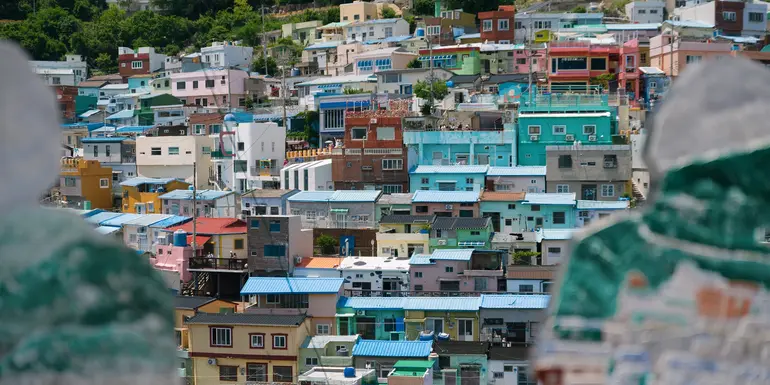
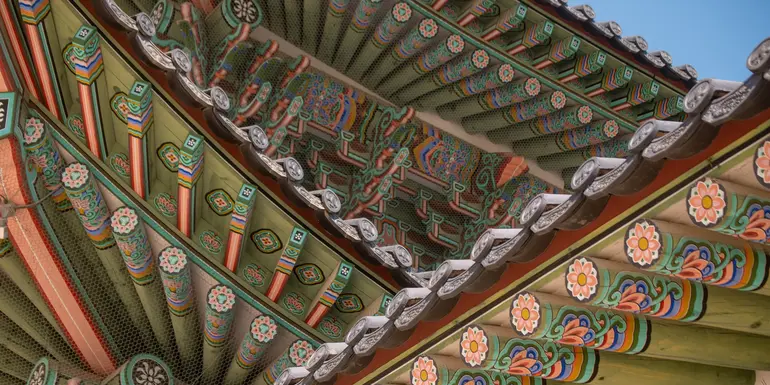
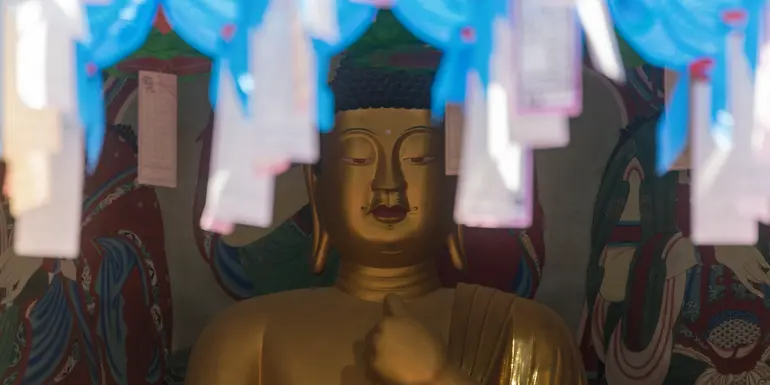
Discover Seoul through royal palaces, traditional neighborhoods, markets and modern Korean culture. Explore sightseeing experiences around Gyeongbokgung Palace and Bukchon Hanok Village, or join day trips to nearby attractions. Seoul is also a departure point for multi-day South Korea tours visiting destinations such as Jeonju, Gyeongju and Busan. Check each itinerary for departure points, guide languages, transportation and included admission fees.
Choose the right Seoul experience
Looking for a quick introduction to Seoul, a day of local activities, or a longer journey around South Korea? Choose the format that suits your schedule. Services and prices vary by individual tour.
Some categories share products. Check the itinerary, departure city, dates and total included costs before booking.
Three to five days is a good starting point for exploring Seoul's main attractions, including royal palaces, traditional neighborhoods, shopping districts and local markets. With five to seven days, travelers can add day trips to Nami Island, Suwon or selected DMZ attractions without rushing. If Seoul is the starting point for a longer South Korea vacation, allow additional time for destinations such as Jeonju, Gyeongju and Busan. Consider walking distances, transportation and the operating schedules of major attractions when planning your stay.
Seoul's most popular attractions include Gyeongbokgung Palace, Changdeokgung Palace, Bukchon Hanok Village, Insadong, N Seoul Tower and traditional markets such as Gwangjang Market. Myeongdong and Hongdae are known for shopping, dining and contemporary urban culture. Visitors interested in Korean history may also explore museums and historic city landmarks. Some attractions are located close together, while others require subway or road transfers. Choose your sightseeing route according to your interests and available time.
Gyeongbokgung is the largest of Seoul's Five Grand Palaces and is especially popular for its grand gates, courtyards and Joseon Dynasty history. Changdeokgung is known for its architecture and landscaped grounds, including the renowned Secret Garden, which may require a separate reservation or admission arrangement. Both are worthwhile for travelers interested in Korean royal heritage. Their operating schedules differ: Gyeongbokgung is generally closed on Tuesdays, subject to holiday exceptions. Check current opening days, guided tour options and admission rules before visiting.
Each neighborhood offers a different experience. Myeongdong is known for shopping, cosmetics and casual dining, while Hongdae is popular for youth culture, cafes and entertainment. Insadong is associated with traditional crafts, tea houses and cultural shopping, making it a convenient addition to palace sightseeing. Gangnam offers modern commercial districts, restaurants and contemporary city attractions. Travelers with limited time can combine nearby neighborhoods rather than trying to cover every area in one day.
Nami Island is a popular excursion from Seoul, known for its tree-lined paths, seasonal landscapes and connection to Korean television dramas. The island is located near Chuncheon and is commonly reached through the Gapyeong area. Some day tours combine Nami Island with nearby gardens, cultural attractions or other activities. Spring and autumn offer distinctive scenery, while winter provides a different atmosphere. Check the included transportation, island admission, ferry arrangements and additional sightseeing stops before booking.
A DMZ excursion provides an opportunity to learn about the history of the Korean Peninsula's division and the Korean War. Depending on the itinerary and access permissions, tours may visit Imjingak, Dora Observatory, the Third Infiltration Tunnel or other designated sites. A standard DMZ tour does not automatically include Panmunjeom or the Joint Security Area (JSA). Restricted-area access can change because of security conditions or military operations. Check identification requirements, confirmed stops and cancellation arrangements before booking.
Suwon Hwaseong Fortress is a UNESCO World Heritage Site south of Seoul, known for its late-Joseon defensive architecture, gates and historic walls. It is a good choice for travelers interested in Korean history and architecture beyond the capital. Some excursions combine Suwon with nearby attractions or the Korean Folk Village in Yongin, which is a separate destination. Walking along sections of the fortress can involve slopes and stairs. Check the transportation time, included attractions and walking requirements before booking.
Spring, from March through May, and autumn, from September through November, are popular times to visit Seoul. Spring brings seasonal flowers and cherry blossoms, while autumn is known for colorful foliage in parks and palace grounds. Summer can be hot and humid, with periods of heavy rainfall. Winter is cold and may bring snow. Cherry blossom timing varies by year, and autumn color depends on weather conditions. Travelers should consider seasonal crowds, outdoor activities and the amount of walking in their itineraries.
Seoul has an extensive public transportation system, including subway trains, buses and taxis. Many major attractions and shopping districts are accessible by subway, although some palaces and traditional neighborhoods still require walking from stations. Public transportation payment options include rechargeable transit cards, subject to current acceptance rules. Organized day tours can simplify trips to regional destinations such as Nami Island or Suwon. Allow extra time during busy periods and check meeting-point directions carefully.
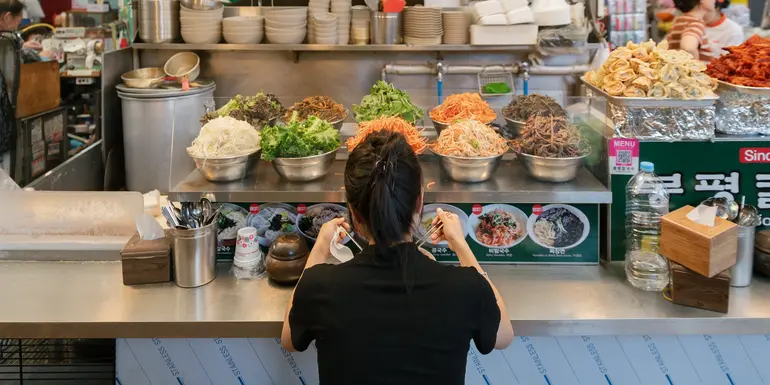
Seoul offers a wide variety of food experiences, from traditional markets and local restaurants to contemporary cafes and cooking classes. Gwangjang Market is known for Korean market foods, while areas such as Myeongdong, Hongdae and Insadong offer different dining environments. Guided food tours or cooking activities may provide additional cultural context, but included tastings and meals vary. Travelers with dietary restrictions should confirm ingredients, allergens and vegetarian options directly with the operator before booking.
Yes. Selected multi-day itineraries departing from Seoul visit destinations such as Jeonju, Gyeongju, Andong or Busan. Jeonju is known for traditional Korean culture and food, Gyeongju for Silla-era heritage, and Busan for coastal scenery and urban attractions. Different packages may include only some of these destinations, and transportation can involve road travel or rail services. Some tours return to Seoul, while others end in another city. Verify the complete route, hotel arrangements and ending location before booking onward travel.
Seoul tours may depart from designated meeting points in areas such as Myeongdong, Hongdae or other major transportation hubs. Some sightseeing excursions offer pickup from selected hotels, while others require travelers to reach the meeting location independently. Pickup availability depends on the supplier, departure time and accommodation location. Airport pickup is generally a separate arrangement unless explicitly included. Confirm the exact meeting point, departure time, pickup eligibility and return location before booking.
Selected Seoul sightseeing tours and multi-day packages offer English-speaking or Chinese-speaking guides, but availability depends on the operator, itinerary and departure date. Some activities provide a professional guide, while others use a driver-guide, audio commentary or self-guided arrangements. Multi-day tours may use different local guides in different cities. Confirm the exact language, guiding arrangements and any language-specific departure requirements before booking.
Admission inclusions vary by tour. Some Seoul sightseeing packages include tickets to specified palaces, museums or attractions, while others charge separately. Certain activities, such as observatory visits, theme parks, cultural workshops and food experiences, may have additional costs. Products listed under Activities & Tickets can represent different types of services rather than a complete guided tour. Check the Included, Excluded and Additional Fees sections and confirm whether transportation and guiding are provided.
Many DMZ tours require participants to carry their original passport or another specifically accepted identification document. Restricted-area access may involve nationality checks, security screening and limits on photography. A standard DMZ tour does not automatically include Panmunjeom or the Joint Security Area (JSA). Access to certain locations can be suspended or changed because of military or security conditions. Confirm identification requirements, permitted areas, cancellation terms and the actual sightseeing itinerary before booking.
Nami Island tour inclusions depend on the selected package. Some organized excursions include transportation from Seoul and the island admission ticket, which normally covers the regular ferry crossing, while others require travelers to purchase certain services separately. Additional experiences such as ziplining, bicycle rental or visits to other attractions may cost extra. Check the included admission, ferry or alternative access arrangements, pickup location and optional activity fees before booking.
Most standalone Seoul sightseeing tours do not automatically include airport transfers. Seoul is served by Incheon International Airport (ICN) and Gimpo International Airport (GMP), which have different locations and transportation arrangements. Depending on the route, travelers can use airport rail services, buses, taxis or prearranged transfers. Some multi-day vacation packages include airport pickup or drop-off, subject to specific conditions. Confirm the airport code, arrival time, hotel location and transfer inclusions before booking.
Included services vary by itinerary. Some multi-day tours from Seoul to Busan arrange intercity transportation and accommodation, while others require travelers to book certain rail tickets, hotel nights or transfers separately. Transportation may involve high-speed rail, other train services or organized road travel, depending on the operator. Some tours return to Seoul, while others finish in Busan or another city. Confirm the actual route, transportation method, hotel standard, luggage arrangements and ending location before booking onward travel.
Solo travelers can book selected Seoul sightseeing tours and multi-day packages, but booking requirements vary. Some group day tours accept reservations for one traveler, while certain private experiences or multi-day itineraries have minimum participation requirements. Overnight packages may apply a single-room supplement or offer different room-sharing arrangements. A solo-friendly designation does not automatically mean guaranteed departure or no additional charges. Confirm the minimum booking requirement, departure availability, room policy and total price before booking.
Cancellation and amendment policies depend on the selected operator, activity, departure date and booked services. Palace admissions, attraction tickets, hotels, railway tickets and private transportation may have separate restrictions or nonrefundable components. Weather, attraction closures or security restrictions can also affect certain excursions, particularly DMZ visits and outdoor activities. Changes are handled according to the selected product's terms and applicable rules. Review cancellation deadlines, refund conditions, change fees and contingency arrangements before booking.

|
||
Thank you for signing up for the TakeTours.com newsletter. |