Discover Bolivia tours featuring the spectacular Uyuni Salt Flats, the high-altitude landscapes of the Altiplano and the cultural highlights of La Paz. Explore colorful lagoons, desert scenery, traditional Andean communities and selected journeys connecting Bolivia with Peru or Chile. Compare multi-day packages, shorter Uyuni adventures, departure locations and included transportation before choosing your trip.
Compare longer Bolivia vacation packages with shorter local adventures, including Uyuni Salt Flats excursions and highland journeys. Tour durations and starting prices are generated from each category.
| Trip | Days | You'll see | From | Best for |
|---|---|---|---|---|
| Vacation packages | 5 Days | Multi-day journeys featuring Uyuni, La Paz, colorful lagoons and Bolivia's high-altitude landscapes | $621 | Extended journeys |
| Local tours | 3-4 Days | Shorter regional adventures exploring the Uyuni Salt Flats and surrounding areas | $491 | Focused adventures |
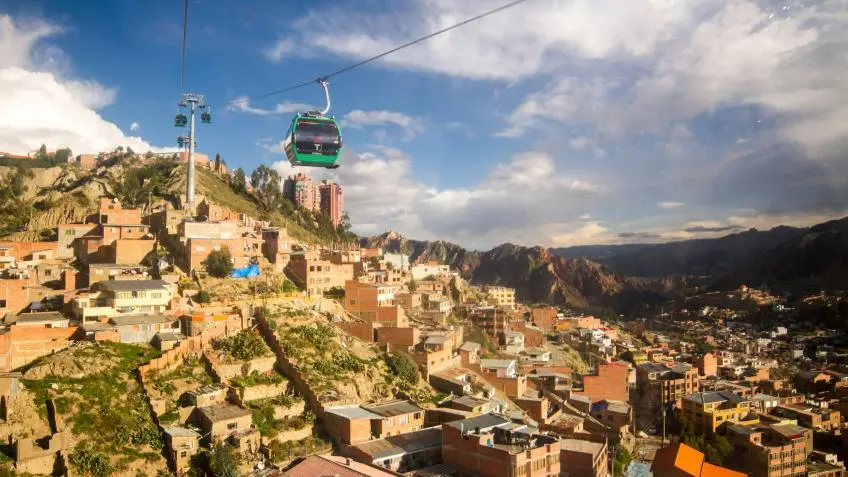
Bolivia is best known for the Uyuni Salt Flats, the high-altitude landscapes of the Altiplano and the cultural attractions of La Paz. Popular journeys may also feature Laguna Colorada, Laguna Verde, the Eduardo Avaroa reserve, Lake Titicaca and historic Sucre. Travelers interested in dramatic natural scenery often prioritize Uyuni and the surrounding lagoons, while those interested in city life and Andean culture may prefer La Paz. Check the actual destinations included in each itinerary, as many Bolivia tours focus on just one region.
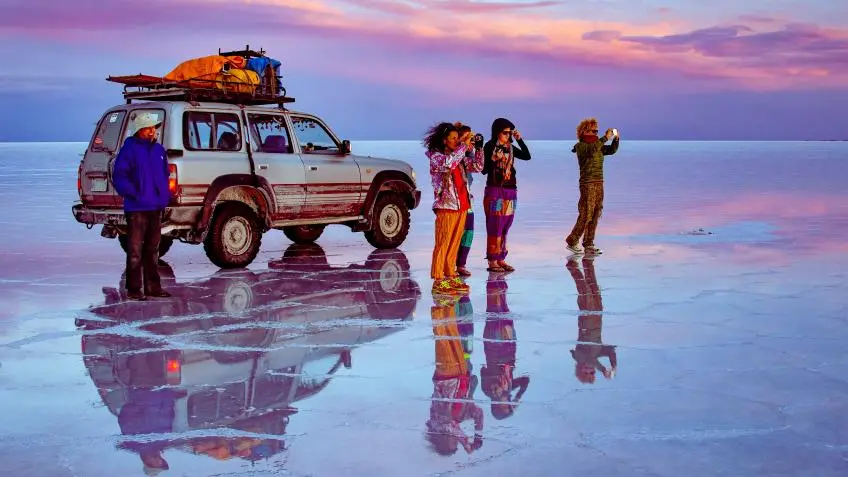
The best time depends on the scenery you want to see. From roughly January through March, seasonal rainwater may create the famous mirror-like reflections on parts of the salt flats. May through October generally offers drier conditions, vast white salt surfaces and more reliable access to remote attractions. December and April are transitional months with variable conditions. The mirror effect depends on rainfall, water depth and wind, so no departure date can guarantee perfect reflections. Some areas may become inaccessible after heavy rain.
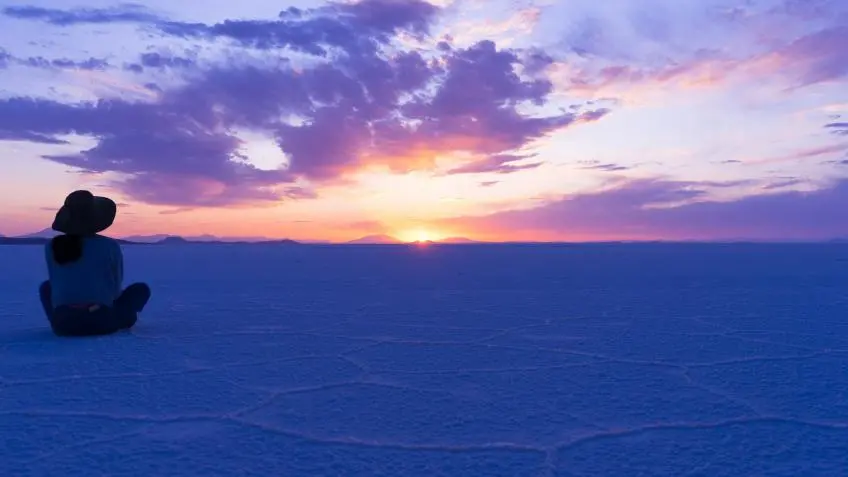
During the dry season, Uyuni is famous for its enormous white salt crust, geometric patterns and distant mountain views. Tours can often reach areas such as Incahuasi Island when conditions permit. During the rainy season, shallow water may reflect the sky and clouds, creating the mirror effect. However, flooded areas can restrict vehicle access and lead to changes in routes or stops. Neither season is universally better: choose the dry season for salt desert exploration or the rainy season for the possibility of reflections.
A one-day excursion can introduce travelers to the Uyuni Salt Flats, while two- or three-day tours may visit additional desert landscapes, lagoons and highland attractions. A classic three-day circuit is often chosen for a broader Altiplano experience. With five to seven days, travelers may be able to combine Uyuni with La Paz or other destinations, depending on transport connections. Longer itineraries can include Lake Titicaca or neighboring countries. Check whether the advertised duration includes travel to Uyuni or only the local tour itself.
A three-day Uyuni tour can be worthwhile for travelers who want more than the salt flat itself. Depending on the itinerary, the journey may visit high-altitude lagoons, flamingo habitats, unusual rock formations, geothermal areas and remote desert scenery. However, these circuits often involve long drives, basic accommodation and very high elevations. Weather and road conditions can change the stops. Choose a three-day tour if you enjoy remote landscapes and can tolerate extended travel, rather than expecting a relaxed resort-style vacation.
Altitude is an important consideration for Bolivia tours. La Paz is approximately 3,600 meters above sea level in its central urban area, and Uyuni is around 3,650 meters. Some Altiplano excursions reach well above 4,000 meters. Altitude sickness can affect travelers regardless of fitness. Allow time to acclimatize, avoid strenuous activity immediately after arrival and follow professional medical advice if you have health concerns. If significant symptoms develop, stop ascending and seek medical attention. Traveling to lower elevations may be necessary.
Uyuni is a major gateway to the salt flats. Travelers may reach the town from La Paz by domestic flight or long-distance bus, subject to current schedules and operating conditions. Other routes connect through cities such as Potosi or Sucre. Many local salt flat tours begin in Uyuni town, but some multi-day packages arrange additional transfers. When comparing products, check whether the tour starts in La Paz, at Uyuni Airport, at a local hotel or at a designated meeting point. Do not assume transportation from La Paz is included.
Yes. Bolivia can be combined with southern Peru through Lake Titicaca and border connections near Puno, or with northern Chile through routes near San Pedro de Atacama. Some itineraries include cross-border travel, while others finish at or near a border crossing and require onward transportation. Visa requirements, immigration procedures and available transfers depend on nationality and the selected itinerary. Remote border routes can also be affected by weather and road conditions. Confirm the actual ending location before making onward travel plans.
Bolivia can be rewarding for families and older travelers, but some popular itineraries are physically demanding. High altitude, long drives, cold temperatures and basic facilities are particularly relevant on Uyuni and Altiplano circuits. City sightseeing and selected shorter excursions may be more manageable than remote multi-day jeep adventures. Travelers with mobility or medical concerns should check daily driving hours, sleeping elevations, bathroom facilities and opportunities for rest. A private tour may offer scheduling flexibility, but it does not eliminate altitude or weather-related risks.
Bring warm layered clothing, a windproof jacket, comfortable shoes, sunglasses, high-SPF sunscreen and lip protection. Strong sunlight, cold winds and large temperature differences are common at high elevations. During the rainy season, waterproof footwear and protection for electronics can be useful. Remote tours may have limited shops, charging facilities and reliable mobile coverage, so consider a power bank, drinking water and essential personal items. Check whether your operator supplies blankets, sleeping equipment or other specialized gear.
The mirror effect is a seasonal natural phenomenon rather than a guaranteed tour feature. It requires a suitable amount of standing water, relatively calm wind and favorable weather. Even during the rainy season, some departures may have limited reflections, while excessive flooding can prevent access to certain parts of the salt flats. Drivers may adjust routes for safety and accessibility. If mirror photography is your main goal, travel during the wetter months but remain flexible about the exact conditions and locations visited.
Many Uyuni Salt Flats excursions start in Uyuni town, while other Bolivia packages may begin in La Paz, Puno in Peru or another designated location. Some itineraries return to their original departure point, while others finish in a different city or near the Chilean border. Pickup and transfer arrangements vary by supplier. Always confirm the exact meeting location, departure time, ending point and included transportation before booking flights, buses or accommodation.
International flights to and from Bolivia are generally not included in tour prices. Some multi-day packages may include selected domestic flights or transfers, while local Uyuni excursions often begin only after travelers reach the meeting point. Transportation between La Paz and Uyuni is not automatically included. Cross-border transfers may also require separate arrangements. Review the What's Included and What's Excluded sections of the selected product before booking additional transportation.
Spanish is commonly used on Bolivia tours, and English-speaking guides may be available on selected itineraries, private tours or by prior arrangement. Some Uyuni expeditions operate with a Spanish-speaking driver rather than a separate professional guide. Guide availability and language may vary by supplier and departure date. Confirm whether the service includes a driver, a dedicated guide or both, and verify the confirmed guiding language before booking.
Accommodation standards vary significantly. Some multi-day Uyuni itineraries use simple guesthouses or shared facilities in remote highland areas, while others provide private rooms or upgraded hotels. Hot water, heating, electricity, Wi-Fi and private bathrooms should not be assumed. Meals and bedding arrangements also vary. Review the accommodation category, room sharing, bathroom facilities, meal inclusions and available services for each overnight stop before booking.
Included fees depend on the selected itinerary. Some Bolivia tours include certain entrance tickets and meals, while others charge separately for protected area admission, specific attractions, optional activities or local services. Expenses may also include gratuities, personal purchases and facilities along remote routes. Certain locations may require payment in local currency or cash. Check all mandatory charges and payment conditions on the product page rather than relying only on the advertised starting price.
Cross-border tours require travelers to meet the immigration and visa requirements of every country they enter. Requirements depend on nationality, passport and itinerary, and may differ for land and air entry. Some tours include border transfers, while others require travelers to arrange onward transport. Border operating hours, weather and road conditions can affect travel plans. Confirm the exact crossing point, ending location, included transfers and applicable entry requirements before booking.
|
||
Thank you for signing up for the TakeTours.com newsletter. |