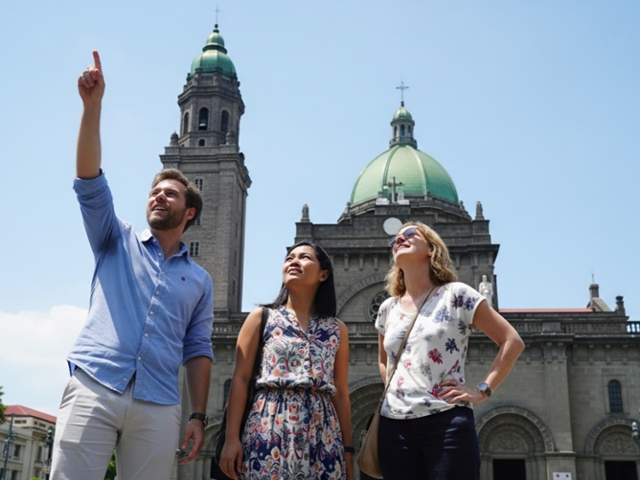
Step into Manila's story on this private walking tour that connects grand landmarks with everyday city life. After booking, you'll receive a short questionnaire so we can match you with a host who tailors the route to your pace and interests. From the cobblestone streets of Intramuros to art deco revivals in Escolta, from tranquil garden paths to bustling markets--this is Manila made personal.
Highlights:
- Private, fully personalized walking tour of Manila
- Pre-tour questionnaire to tailor the day to your interests
- Explore Intramuros, Escolta, and Quiapo on foot
- Choose what you'd like to see--your host adapts in real time
- Discover spiritual rituals, local art spaces, and scenic river views
A tour of Manila provides one with an introduction to the country's history which dates back from the Spanish colonization till the American and Japanese occupation. It takes in the historical, cultural and religious sites of the country, all of which help make it the political, social, cultural, religious, educational, industrial and commercial center of the country.
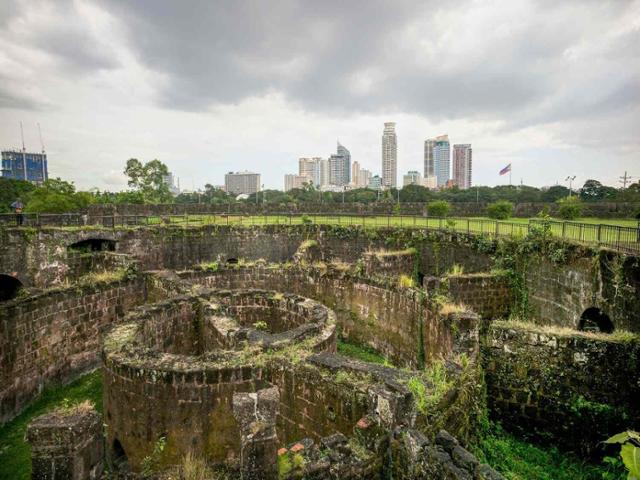
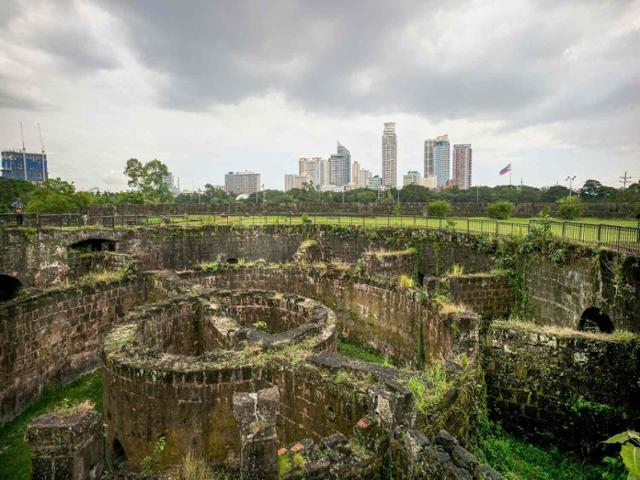
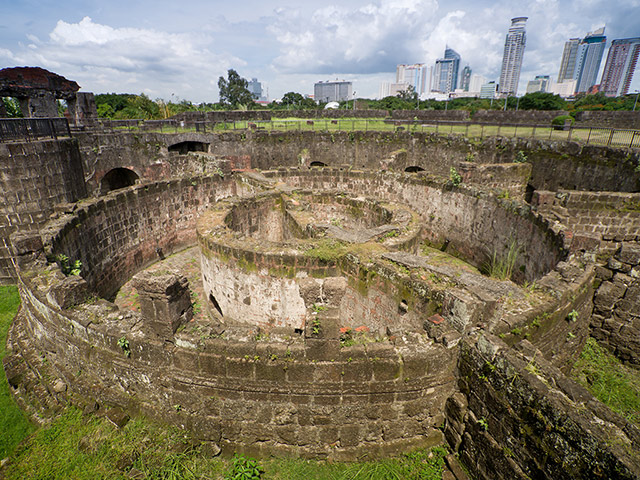
Manila's city tour starts with a visit to Rizal Park, named in honour of the country's national hero, Dr. Jose Rizal. After a brief picture stop, proceed to the historic Walled City of Intramuros. Travel through the cobbled streets of San Agustin Church, the country's oldest stone church and view its wide collection of ecclesiastical icons, vestments and other religious articles. Across it is Casa Manila, a reproduction of 19th century house equipped with Oriental and European decor, as well as Philippine antique furniture. Continue on to Fort Santiago, Manila's main line of defense against invaders from the sea.
The stone fort guards the entrance to the city from Manila Bay and the site of many tragic moments in Philippine History. From the Fort, drive to Quiapo, Manila's central district, often referred to as the heart of Manila with its market, pilgrimage church of the Black Nazarene, jeepney terminals and bazaars. Then proceed to the Chinese Cemetery, where the mausoleums are as big and as elaborate as houses and where fusions of Buddhist and Christian religions are very much in evidence. End the tour with a drive by Ayala Avenue or via Roxas Boulevard, the city's seaside drive.
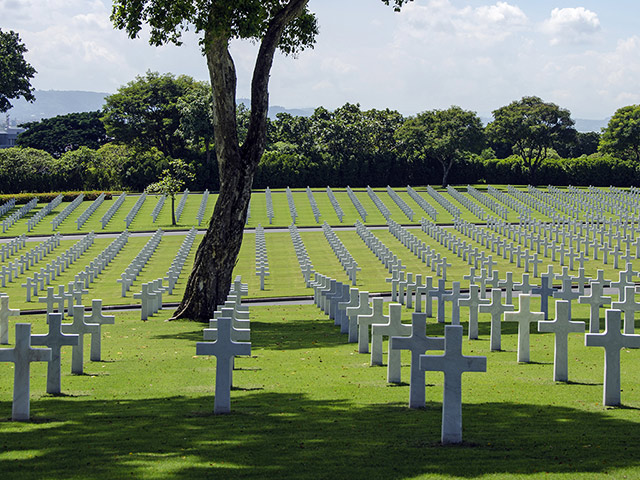
The tour starts right in the heart of the country's financial center - the City of Makati. Drive through Nielson's Tower along Ayala Boulevard and Forbes Park, an exclusive residential enclave fittingly dubbes Millionaire's Row on your way to our first Stop: The American Cemetery and Memorial, reputed to be the largest and most beautiful of American memorial outside the Continental United States. Then proceed to the old city of Manila via Scenic Roxas Boulevard (also known as the Dewey Boulevard in the recent past), passing through Luneta Park (also called Rizal Park in memory if the country's national hero).
After then proceed to your second stop: The ""Walled City""of Intramuros, here you will see ancient walls, church ruins and other relics of the Spanish Conquistadores. Travel through the cobbles streets to San Agustin Church, the oldest stone church in the country.
Your last stop would be at the Fort Santiago, a Spanish fortress that watched over the entrance to Pasig River. It was here that our national hero Dr. Jose Rizal spent his last days and where he wrote his famous ""My Last Farewell"".
Morning Pick-ups
Makati Hotels: Between 9and 9:15am.
Manila Bay Hotels: Between 8:45am and 9am.
Afternoon Pick-ups
Makati Hotels: Between 2pm and 2:15pm.
Manila Bay hotels: Between 1.45pm and 2pm.
Explore on foot and eat your way through Chinatown on your own two feet!
Binondo is primarily populated by ethnic Chinese living in the Philippines, and is referred to as the local Chinatown, and the oldest in the world outside mainland China. Binondo's Chinatown is also listed as one of the top National Geographic's food journey of a lifetime.
Your first stop for culinary taste of Binondo starts at Cafe Mezzanine also known as the Volunteer Fireman's Coffeeshop wherein parts of their proceeds are donated to the volunteer fire fighters of Binondo. Here you will get to taste the Chinese alltime favourites like machang and kiampong - a salted fried rice mixed with pieces of pork, chicken, dried shrimp and mushroom served in a small bowl topped with peanuts.
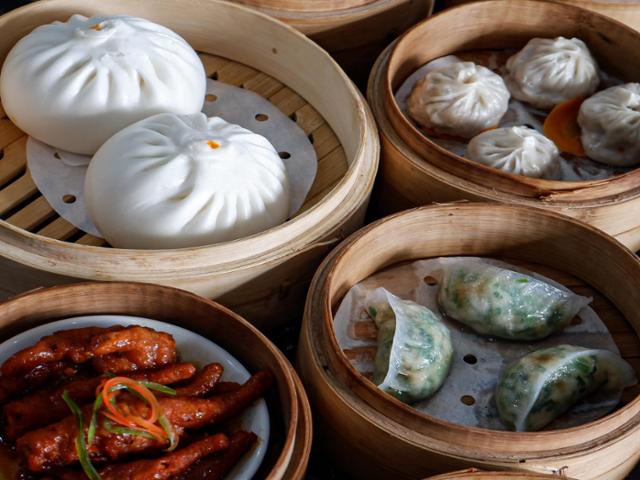
Afterwards head to Dong Bei Dumplings, a small restaurant located in Yuchengco Street that serves the best fresh dumpling in Binondo and get to witness how they are prepared. Next stop is a small stall selling fried 'Siopao' or hot bun, a popular food in the Philippines that have different varieties depending on the stuffing and may be consumed on the go. Along the way you will pass different local food stores, Chinese pharmacies, fruit stalls...
The walking tour ends at New Po Heng Lumpia House where they serve fresh Chinese lumpia, a mixture of carrots, cabbage, tofu, shrimp and grounded pork, topped with crushed peanuts, garlic, seaweed, hot sauce and rolled in leaves of lettuce wrapped in paper-thin rice crepes. Return to the hotel at the end of the tour.
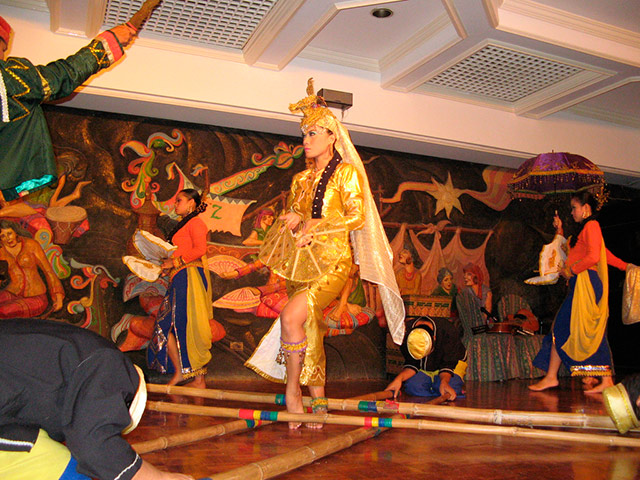
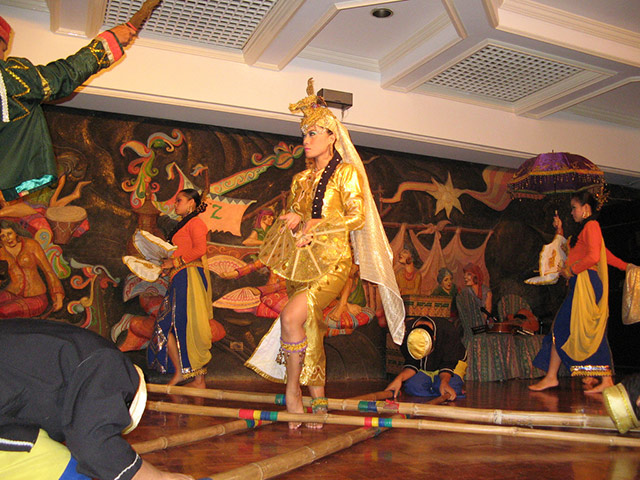
Hospitality of Filipino are known for an in atmosphere of a typical ""Barrio Fiesta"" with a wide range of exotic local dishes and delicacies for you to enjoy. The evening is highlighted by a special presentation of folk dances by graceful maidens and dashing lads in authentic native costumes.
The presentation showcases the soul of the Filipino - from the symbolic ceremonial dances of the northern mountain tribes to the romantic Spanish-influenced reels, and the expressive tribal dances of the Muslim south.
At the end of the show, the audience is given a chance to prove that they too can perform.
Meeting/pick-up point: Hotels located within Manila Bay and Makati City. Pick-up time: From Makati Hotels at 6:30pm-6:45pm, from Manila Bay Area at 7pm. Others: Dinner included.
A festive night of feasting on local cuisine and traditional songs and dances. The show is a production of Filipino creativity and artistic expression of tradition and culture.
From the hotel, transfer to a typical Filipino restaurant for dinner and viewing of Filipino folk dances that are performed by young university students in their colorful native costumes.
At the end of the show, participate in some of the dances and the sing-along that follows.
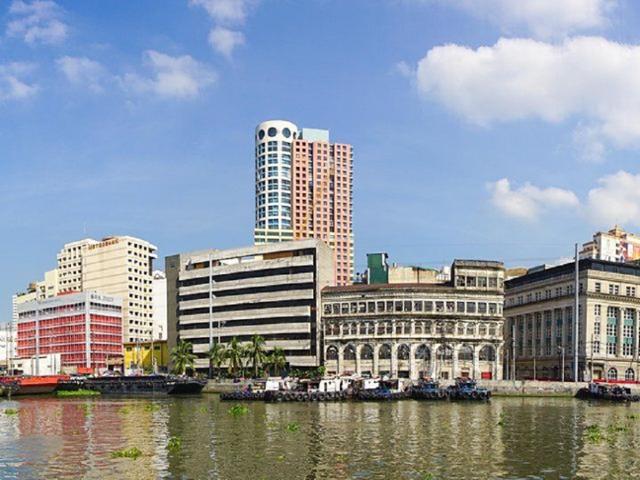
Observe local colors as you venture out in the morning on a ferry ride along Pasig River. Be like the locals when they travel to work by riding the jeepney, local train and a three-wheeled motorbike known as the 'kuliglig'. Acquire a deeper understanding of the country's culture and learn to appreciate it in all its diversity.
ITINERARY:
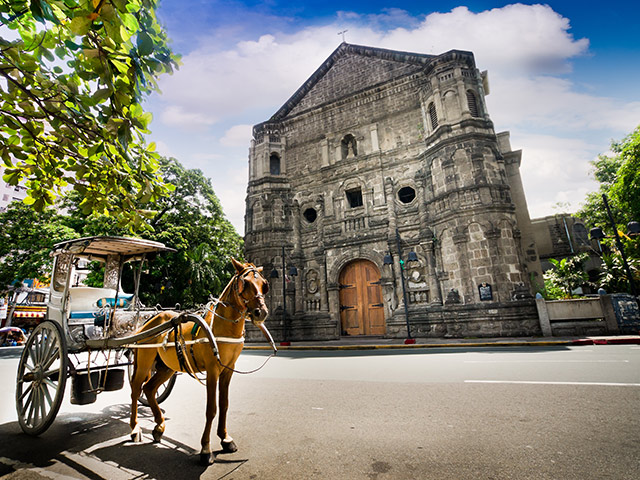
Join a tour of the capital like no other and feel the pulse of the city as the day goes by. Pasig River a major tidal estuary of Manila Bay. Experience and be like the locals when they travel to work by riding the jeepney, PNR train and a 3-wheeled motorbike known as the "kuliglig" or the 'tricykad'. Take a trip around the old walls of Intramuros on a horse-drawn carriage called 'calesa', and watch history unfold before your eyes as your cachero points out interesting landmarks along the way. Continue on to Chinatown in Binondo where you walk the whole lendth of the street full of herbal stores, jewelry ships and other oriental knick-knacks. Drop by an authentic Chinese tea house for some refreshments before finally hailing a 'tricykad' to the Philippine National Railway Station, the country's oldest commuter rail service that was established in 1892. The tour ends with a train ride back to Bunedia Station, passing through one of the country's most densely populated areas. Get off to grab a jeepney back to the hotel.
INCLUSIONS
- Round-trip hotel transfer from Metro Manila/Makati hotels.
- Entrance Fees.
- Services of a Professional Guide
- Guide language: English
Manila's Cultural Tapestry: History, Art & Urban Life
Immerse yourself in the rich cultural fabric of Manila on this thoughtfully curated tour that blends history, fine arts, and vibrant street life.
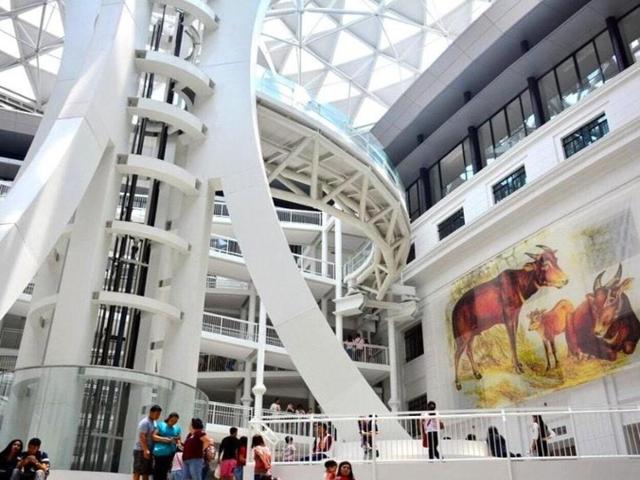
Begin at the National Museum of History, where you'll journey through the Philippines' storied past. Explore galleries filled with royal artifacts, revolutionary memorabilia, and cultural treasures that narrate the country's evolution from ancient civilizations to modern nationhood. This stop offers a profound insight into the struggles and triumphs that have shaped Filipino identity.
Next, step into the National Museum of Fine Arts, home to masterpieces by renowned Filipino artists such as Juan Luna and Fernando Amorsolo. Admire iconic paintings and sculptures that capture the spirit, beauty, and history of the Philippines. The museum's collection provides a compelling visual narrative of Filipino culture, from colonial times through contemporary expressions.
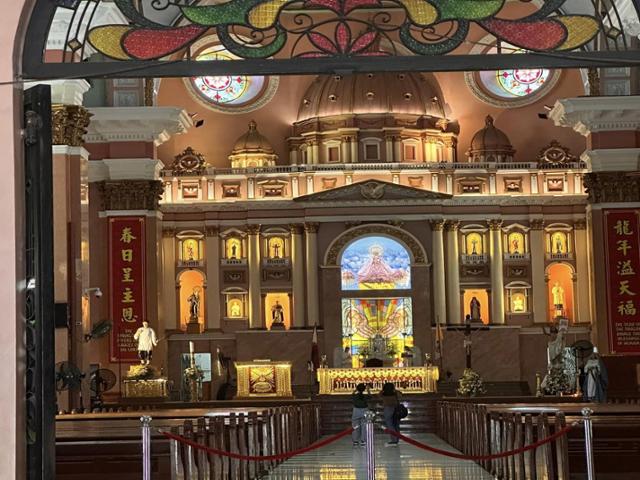
Conclude your experience with a guided walk through the bustling streets of Quiapo. Dive into the lively atmosphere of this historic district, famous for its fusion of Catholic devotion and folk spirituality. Visit the iconic Quiapo Church, home of the revered Black Nazarene, and explore colorful markets filled with local vendors, herbalists, and artisans. This vibrant neighborhood offers an authentic glimpse into the everyday life and enduring faith of Manila's people.
This enriching tour offers a balanced blend of historical depth, artistic brilliance, and dynamic street culture, perfect for those seeking a comprehensive experience of Manila's diverse heritage.
Itinerary:
* National Museum of History
Step into the National Museum of History, a gateway to the Philippines' rich and diverse past. Housed in the grand Manila Hotel, this museum offers visitors a captivating journey through centuries of Filipino history, from pre-colonial times through Spanish rule, American occupation, and the road to independence. Explore thoughtfully curated exhibits that showcase historical artifacts, documents, and memorabilia that tell the stories of the nation's heroes, revolutionaries, and ordinary citizens who shaped the country's identity. From intricate royal regalia and ancient weaponry to colonial-era furniture and photographs, the museum brings history to life in vivid detail.
Walk through galleries that highlight pivotal moments such as the Philippine Revolution, the Declaration of Independence, and the struggles endured during World War II. The museum also celebrates Filipino culture through displays of traditional costumes, crafts, and artworks that reflect the country's diverse ethnic groups.
* National Museum of Fine Arts
Step into the National Museum of Fine Arts, the premier repository of the Philippines' visual arts heritage. Housed in a stunning neoclassical building in Manila, the museum showcases an impressive collection that spans centuries, offering a rich panorama of Filipino creativity and cultural expression. Marvel at iconic masterpieces by celebrated Filipino artists such as Juan Luna, whose powerful works depict historical and social themes, and Fernando Amorsolo, known for his luminous landscapes and portrayals of rural Filipino life. The museum's galleries feature a diverse array of paintings, sculptures, and prints that chronicle the nation's artistic evolution--from pre-colonial influences and Spanish colonial periods to contemporary and modern art movements. Beyond individual artworks, the museum serves as a vibrant cultural hub, highlighting the intersections of art with Philippine history, identity, and society. Special exhibitions, educational programs, and interactive displays invite visitors to engage deeply with the stories behind the art, fostering a greater appreciation for the country's rich artistic legacy.
* Wander through the colorful alleys of Quiapo
Meander through the vibrant, bustling alleys of Quiapo, where every corner bursts with life and color. This lively district is a sensory feast--filled with the sights, sounds, and scents of Manila's rich street culture. Explore narrow pathways lined with vendors selling everything from fragrant herbs and traditional remedies to colorful textiles, religious icons, and handcrafted souvenirs. Feel the pulse of daily life as locals haggle over goods, street musicians play traditional tunes, and the aroma of sizzling street food fills the air. The alleys of Quiapo are not just marketplaces--they are a living tapestry of faith, commerce, and community where ancient folk traditions blend seamlessly with modern urban energy. Discover hidden gems tucked between bustling stalls--secret shrines, fortune tellers' booths, and centuries-old churches that stand as quiet witnesses to the district's enduring spirit. Wandering these colorful alleys is like stepping into the heart of Manila's soul, offering an authentic glimpse into the everyday lives and enduring faith of its people.
Note:
Pick up must be on the main stream of city center of Manila, Pasay, Makati and Pasig and BGC. Supplement of extra charge applies depending on the area if drop and pick up will be beyond the regular route.
The tour may be scheduled either in the morning at 09:00AM or afternoon at 13:00PM, depending on the guest's preference.
Begin your tour with a hotel pick-up before embarking on the Manila City Tour.
Your first stop is Rizal Park, a location steeped in historical significance where numerous national and international events have taken place. It was at this very site that our National hero, Rizal, was executed in his courageous battle against colonialism.
Take a brief pause at Rizal's monument to pay your respects.
Experience the vibrant flavors and cultural richness of Manila in one unforgettable adventure.
Embark on a unique journey that blends culinary exploration with a vibrant market experience. Our adventure begins in the historic heart of Manila, as we dive into one of the world's oldest Chinatowns--Binondo. Discover hidden gems and time-honored eateries as you savor a delicious variety of Filipino-Chinese delicacies, each bursting with heritage and flavor.
Next, we make our way to the colorful Quiapo Market, a bustling hub where fresh produce, dry goods, and local curiosities come together in a dynamic, sensory-rich atmosphere. Visit the famous Quiapo Church, known for its miraculous Black Nazarene, and continue your immersion by sampling beloved street food favorites enjoyed daily by locals.
Throughout the tour, you'll have the chance to taste approximately 10 different food items, making this a truly satisfying and immersive culinary experience.
Itinerary:
* 12:00 PM - Pick-up from Hotel.
Your day begins with a convenient hotel pick-up, ensuring a comfortable and stress-free start to your cultural and culinary adventure.
* 1:00 PM - Arrival in Binondo
Welcome to Binondo, the world's oldest Chinatown! Explore the vibrant streets on foot, immersing yourself in a rich blend of history, culture, and delicious flavors. Highlights include:
Shanghai Fried Siopao: Savor these steamed buns with flavorful fillings, a Binondo staple.
Estero Fast Food: Taste authentic local street food in a bustling neighborhood spot.
Ho-Land Hopia Bakery: Try traditional Filipino-Chinese hopia pastries, known for their flaky crusts and sweet fillings.
Binondo Church: Visit this historic church, a symbol of faith and resilience since the Spanish colonial period.
1919 Grand Cafe: Enjoy classic Chinese dishes in a heritage setting.
Wai Ying Fast Food: Popular for its affordable and tasty dim sum and noodle dishes.
Dong Bei Dumplings: Delight in handmade dumplings reflecting Northern Chinese cuisine.
Cafe Mezzanine: A cozy spot for refreshments and local desserts.
New Po Heng Lumpia House: End your Binondo stroll with fresh, crispy lumpia (spring rolls), a Filipino favorite.
* 2:00 PM - Arrival in Quiapo
Discover the heart of Manila's old town with a walking tour of:
Quiapo Church: Known as the Minor Basilica of the Black Nazarene, this iconic church draws thousands of devotees and visitors alike.
Quinta Market: Experience the lively local market filled with fresh produce, spices, textiles, and everyday Filipino goods--a true glimpse into daily life.
* 3:00 PM - Depart for Return to Hotel
After an enriching day of sightseeing and tasting, relax as you head back to your hotel.
* 4:00 PM - Arrival Back at Hotel
Arrive back at your hotel, completing your memorable journey through Manila's historic and cultural districts.
Note:
Itinerary is subject to change without prior notice.
Pick-up and drop-off must be within central areas of Manila, Pasay, Makati, or Pasig. Additional charges may apply for locations beyond the regular route.
Start the tour with the country's oldest church, San Agustin Church which was built between 1587 and 1607, and is located in the historic Spanish walled city. It was the only building left intact after the destruction of Intramuros in WWI and was rebuilt three times due to natural disasters. It is now recognized by the government and is a UNESCO historical landmark.
Continue on to Manila Cathedral, which has been a venue for papal masses in the country. Binondo Church, also known as Minor Basilica of Saint Lorenzo Ruiz, has an architectural style that is European Baroque and it is notable for its octagonal five-tier Chinese-style tower that reflects the culture and art of Chinatown.
Next stop is at Santa Cruz Church, whose architecture employs a California Spanish Mission facade whose adorned with the usual Filipino baroque ornamentation. On top of the facade is a statue of Our Lady of the Pillar, the patroness of the church.
After lunch continue to Quiapo Church. Millions of people visit this church every year to see the famous Black Nazarene statue. Stop at San Sebastian Church and proceed to the UP Chapel, located at the University of the Philippines. The church was designed by four Philippine National Artists.
Proceed to Santuario de San Antonio and Malate Church before ending the tour to Baclaran Church.
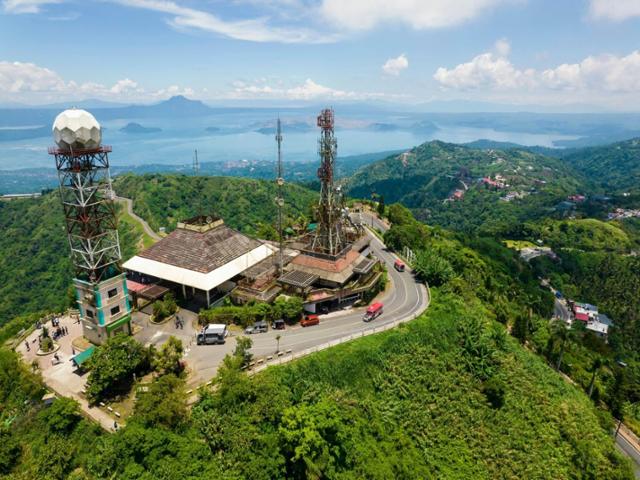
Make your way up to the highlands city of Tagaytay for some sightseeing view of the very famous Taal Volcano, which is located in Batangas, but can only be seen in full view here. The city of Tagaytay is located on a ridge, 2250 feet above sea level.
ITINERARY:
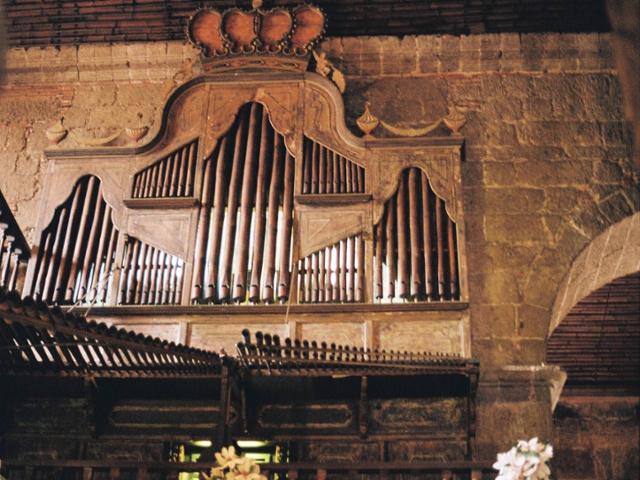
It is about 2 hours leisurely drive south of Manila, passing small towns, orchards, fruit stalls and coconut plantations. Admire the magnificent views offered of Taal Volcano, a small volcano whose crater houses another volcano, and the quiet surroundings of Taal Lake. The majestic view can be enjoyed from a vantage point along the ridge. After enjoying a native refreshment, visit the world's famouse bamboo organ of Las Pinas church and the jeepney factory.
INCLUSIONS
- Round-trip hotel transfer from Metro Manila/Makati hotels.
- Entrance Fees.
- Services of a Professional Guide
- Guide language: English
From Museums to Monuments: Uncovering Manila's Past
Immerse yourself in the rich cultural fabric of Manila on this thoughtfully curated tour that blends history, heritage, and timeless architecture.
Begin at the National Museum of Anthropology, a grand neoclassical landmark at Rizal Park. Once the Old Department of Finance, this five-story museum showcases priceless artifacts such as the Manunggul Jar, relics from the 1600 San Diego shipwreck, and vivid exhibits celebrating the traditions of the Philippines' diverse indigenous communities.
Continue to Rizal Park (Luneta), the nation's most iconic public space and a symbol of freedom. It was here that national hero Jose Rizal was executed in 1896, igniting the Philippine Revolution. Today, his monument stands as the park's focal point, surrounded by wide lawns, gardens, and historic landmarks that have witnessed pivotal events in the country's journey toward independence.
Next, embark on a walking tour of Intramuros, Manila's historic walled city. Visit San Agustin Church, a UNESCO World Heritage Site renowned for its ornate Baroque interiors and centuries-old relics. Step into Casa Manila, a faithful reproduction of a Spanish-era home that captures the elegance of 19th-century colonial life.
Beyond its monuments, Intramuros also offers a glimpse of real city life--where local residents, students, and artisans coexist with centuries-old architecture. As you wander its cobblestone streets, you'll witness pedicabs weaving through alleys, local vendors selling snacks, and everyday scenes that reflect the charm and resilience of modern Filipino life set against a historic backdrop. Finally, explore Fort Santiago, a citadel steeped in history and forever linked to the legacy of Jose Rizal, its walls bearing silent witness to centuries of triumphs and struggles.
Conclude the day at the Ayala Museum in Makati, one of the Philippines' leading centers of art, culture, and history. Its celebrated Gold of Ancestors exhibit features over a thousand pre-colonial gold artifacts and ornaments--including intricate gold coins, jewelry, and ceremonial items--that reflect the sophistication of early Filipino craftsmanship and trade. The museum's immersive dioramas and interactive exhibits offer a fascinating finale, connecting the country's rich past with its vibrant present.
This enriching tour offers a balanced blend of historical depth, artistic brilliance, and authentic local encounters--perfect for those seeking a comprehensive experience of Manila's diverse heritage.
Itinerary:
* National Museum of Anthropology
Step into the National Museum of Anthropology in Manila--a cultural gem housed in a grand neoclassical building at Rizal Park. Once the Old Department of Finance, the museum now showcases the Philippines' rich history and diverse heritage. Inside, visitors can marvel at treasures such as the famed Manunggul Jar, artifacts from the 1600 San Diego shipwreck, and vibrant exhibits of indigenous traditions, textiles, and rituals. With free admission and welcoming galleries open from Tuesday to Sunday, the museum offers an inspiring journey through the stories and artistry that shape Filipino identity.
* Rizal Park: A Monument to Freedom
Rizal Park (Filipino Liwasang Rizal), also known as Luneta Park or simply Luneta, is a historic urban park located in Ermita, Manila. Covering 58 hectares, it is one of the largest urban parks in the Philippines. The site was originally known as Bagumbayan during the Spanish colonial period and is adjacent to the historic Walled City of Intramuros. The execution of Filipino patriot Jose Rizal on December 30, 1896, in this very area fanned the flames of the revolution against Spain. His monument now enshrines his remains, and the park has since served as the venue for key national events, including the declaration of Philippine independence from the United States in 1946 and the 1986 People Power Revolution.
* Stories Within the Walls of Intramuros
Step back in time with a walking tour of Intramuros, Manila's historic walled city. Visit San Agustin Church, a UNESCO World Heritage Site known for its ornate Baroque interiors and centuries-old relics. Experience colonial elegance at Casa Manila Museum, a beautifully reconstructed Spanish-era house that offers a glimpse of 19th-century life.
As you explore further, discover the living heartbeat of the city--locals going about their daily routines, pedicab drivers navigating narrow streets, and vendors selling fresh coconut juice and snacks to passersby. The mix of old-world charm and vibrant local life gives visitors a unique opportunity to experience Manila's authentic spirit before concluding at Fort Santiago, a mighty citadel that once served as a defense fortress and later as a prison for national hero Jose Rizal--its walls bearing silent witness to centuries of history.
* Ayala Museum: Gold of Ancestors
Located in the heart of Makati, Ayala Museum provides a modern and elegant finale to the tour. Its Gold of Ancestors exhibit showcases over a thousand pre-colonial gold artifacts--coins, jewelry, and ceremonial ornaments--that highlight the artistry and prosperity of ancient Philippine societies. The museum's dioramas and interactive galleries vividly illustrate the nation's evolution from pre-colonial times to the modern era, offering visitors a reflective and inspiring end to their Manila journey.
Note:
Pick-up must be within the main areas of Manila, Pasay, Makati, Pasig, or BGC. Supplementary charges apply for locations beyond the regular route.
Tagaytay City offers breathtaking views and sceneries, a variety of food selections, and recreational activities. Hence, many locals and tourists pick the city whenever they want to explore new places or even relax and hang out with the family or squad.
The city also offers cultural spots for people who enjoy and appreciate works of art, live performances, and festivals. Museo Orlina is dubbed as the center of arts and culture in Tagaytay. Visitors are given a chance to view an extensive collection of glass sculptures of renowned glass sculptor Ramon Orlina and other artists' works.
Itinerary
* 09:00 AM Pick up from Hotel in Tagaytay.
* A short stop in Tagaytay Picnic Grove.
The Picnic Grove is one of Tagaytay's most popular tourist attractions. This is one of the most familiar memories that people have when they think of Tagaytay. It is one of the few places on the Tagaytay Ridge where travelers can see Taal Lake and the mighty Taal Volcano. The 13-hectare Picnic Grove is more than just a spot to have a picnic. It also has a variety of leisure opportunities. Visitors will take souvenir pictures on two zip lines and a suspended cable car. There is also horseback riding available. The place is surrounded by green vegetation. There is an eco-trail where tourists can enjoy the cool Tagaytay breeze while getting in touch with nature. A large portion of the eco-trail is made up of boardwalks and bridges that are surrounded by beautiful trees.
* Visit People's Park in the Sky Tagaytay which is just 11 to 15 minutes drive away from Tagaytay Picnic Grove.
People's Park in the Sky is located in Mt. Gonzales, Tagaytay City overlooking the whole of Tagaytay and the neighboring provinces. It was once envisioned to be the Palace in the Sky or the vacation house of the family of the late Pres. Ferdinand Marcos with a budget of US$ 10 million. A round-the-clock construction started in 1981. It was stopped when former senator Benigno Aquino, Jr. was assassinated in 1983. The triumph of the Edsa Revolution also relinquished the dream of completing the project. The place was abandoned and was declared structurally risky. Shanties proliferated along the highway leading to the area. In 1994, President Fidel V. Ramos instructed the DOT secretary to rehabilitate the "palace." By January 1996, the plan had not moved. The President then ordered the immediate rehabilitation of the "palace" to serve as a "People's Park" to be enjoyed by the poor and ordinary tourists. With this directive, the Tagaytay City government assumed the major role.
* Lunch at t the Cabezera Restaurant with the overlooking view of Taal Volcano.
* A Visit to Museo Orlina
Museo Orlina opened its doors to the public on January 26, 2014. It houses the works of internationally acclaimed Ramon Orlina, pioneer and foremost glass sculpture practitioner in the Philippines. Aside from the glass sculptures of Orlina, the museum also showcases paintings, sculptures, and other works of art made by local and foreign artists. The Museo Orlina is open for operations on Tuesdays to Sundays from 10:00 AM to 6:00 PM and is closed on Mondays, Christmas Day, and New Year's Day. Museo Orlina visitors are allowed to enter the four-level museum and view the different art pieces of Ramon Orlina and other local and foreign artists. Every floor in the museum have different galleries and stations:
Reflections Gallery - this is where the interactive touch screen display system is located. It allows guests to browse and view a range of Orlina's images, videos, documents, and other files.
Naesa Gallery- this is the devoted space for changing exhibitions.