
Classic Yunnan 8-Day Tour from Kunming to Lijiang
Price a Trip, Book Now
Tour Overview
Highlights
- Kunming's Karst World Heritage Site Stone Forest
- Dali's Royal Temple of the Nanzhao and Dali Kingdoms - Tianlong Temple from Jin Yong's novels
- Internet-famous check-in spot Erhai Lake Ecological Corridor
- James Hilton's novel 'Lost Horizon' Tibetan hidden land - Shangri-La
- China's first national park - Pudacuo National Park
- Songzanlin Monastery - Little Potala Palace
- The oldest castle on the Ancient Tea Horse Road - Dukezong Ancient Town
- One of the world's deepest canyons - Tiger Leaping Gorge
- Explore the famous Jade Dragon Snow Mountain
- UNESCO World Heritage 'Lijiang Ancient Town'
Dates & Prices
Price in CNY (per person, based on double occupancy)
Itinerary
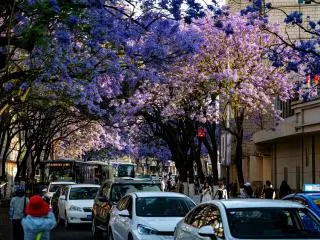
Kunming, CN
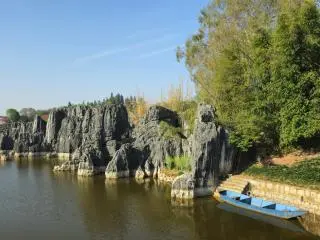
Stone Forest
Yuantong Temple
Green Lake Park

Dali, CN
Three Pagodas of Chongsheng Temple
Erhai Lake Ecological Corridor
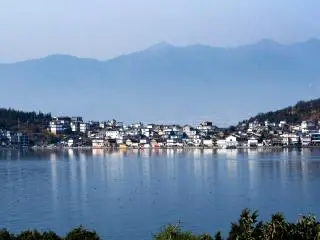
Dali Ancient Town
Dali, CN
Xizhou Farmers Market
Xizhou Ancient Town
Zhoucheng Village Tie-Dye
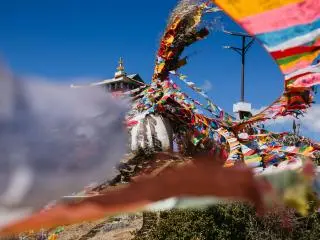
Shangri-La, CN
Pudacuo National Park

Songzanlin Monastery
Dukezong Ancient Town
Tibetan Family Visit
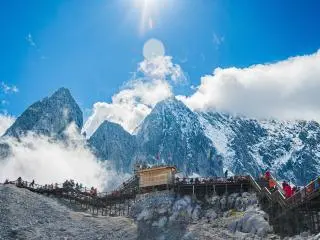
Lijiang, CN
Tiger Leaping Gorge
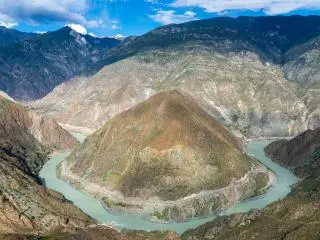
First Bend of the Yangtze River
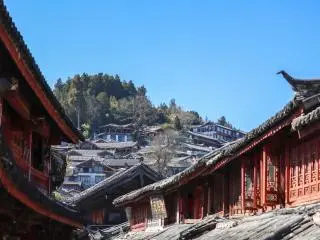
Lijiang Ancient Town
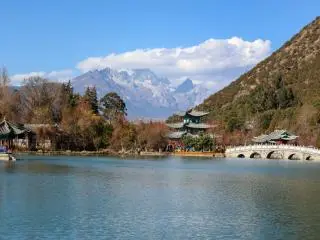
Black Dragon Pool Park
Lijiang, CN
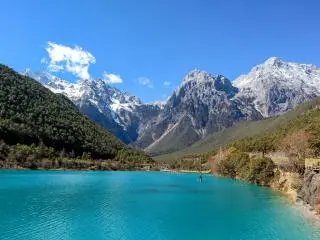
Jade Dragon Snow Mountain

Blue Moon Valley
Baisha Murals
Shuhe Ancient Town
Departure & Return
Complimentary Transfer Service
(Available only on designated group departure and end dates)
-
Free Pick‑up: Arrivals between 08:00 - 22:00
-
Free Drop‑off: Departures between 09:00 - 23:00 (early morning flights are also covered if you are willing to leave in advance)
Transfers are currently provided with a driver only. If multiple guests arrive around the same time, a guide may be arranged at our discretion. Any policy updates will be communicated separately.
-
If you arrive before the group start date or leave after the group end date, a separate transfer fee applies
-
If your arrival or departure falls outside the free transfer time window, a separate transfer fee also applies
-
For shared group transfers, guests with close arrival times will be picked up together, with a waiting time of approximately 1.5 hours. If you prefer not to wait, please notify us at least 1 day in advance to arrange a private transfer at an additional cost.
Includes & Excludes
Price Includes
Price Excludes
Additional Notes
- What to Bring
Category 1: Clothing & Footwear
-
Clothing: From October to November, wear winter gear. Recommended three-layer system (thermal base layer + down jacket + shell jacket + quick-dry clothing).
-
Footwear: Anti-slip, waterproof, warm hiking boots (high heels strictly prohibited). You may also bring trail shoes or sports shoes.
-
Accessories: Sun hat, gloves, headband, change of underwear, socks.
Category 2: Daily Supplies
-
Toiletries & skincare: Toothpaste, toothbrush, facial cleanser, toner, moisturizer, sunscreen (SPF 50+, essential), lip balm (essential), hand cream.
-
Auxiliary tools: Sunglasses (essential), thermos, rain gear (umbrella + poncho), flashlight (with spare batteries).
Category 3: Food Supplies
-
Energy snacks: Chocolate, beef jerky, etc.
-
Filling snacks: Cookies, bread, cake, etc.
-
Hydration: Fresh fruits, bottled water, etc.
-
Sides: Pickled vegetables, shredded seaweed, shredded radish, etc. The local cuisine is mainly Sichuan style; you may bring your own side dishes if needed.
Category 4: Medicines
-
Personal medications: Bring enough of your regular medicines (medical facilities are basic in high-altitude areas).
-
Recommended: Cold medicine, stomach medicine, motion sickness pills, painkillers, glucose (powder or oral solution), band-aids, essential balm, mosquito repellent, altitude sickness pills (e.g., Diamox), and other anti-altitude sickness medications.
Category 5: Photography & Communication
-
Communication: Mobile phone (China Telecom has the best coverage, China Mobile second, China Unicom poor), walkie-talkie, and chargers.
-
Photography gear: DSLR, telephoto lens, wide-angle lens, tripod, camera bag, rain cover, high-capacity memory cards, and chargers.
-
Props: Long skirts, stylish outfits, scarves, shawls, etc.
Category 6: Documents
-
Mainland Travel Permit for Taiwan Residents.
-
Other IDs: Tour guide card, student ID, military ID, soldier ID, disability certificate, senior citizen card, etc. – bring any that may offer ticket discounts. Use only genuine documents; consequences of fake IDs are your own responsibility.
-
- About Altitude Sickness
Most scenic spots along the Yunnan route are at about 2,000m above sea level. Only Shangri-La is slightly higher (3,459m), and Jade Dragon Snow Mountain ranges from approx. 3,928m to 5,596m. The incidence of altitude sickness depends on ascent speed, altitude, duration of stay, and physical condition. Generally, people from low-altitude areas may experience varying degrees of symptoms when quickly entering areas above 3,000m. Stay relaxed; symptoms usually subside within 1-3 days.
People with hypertension, heart disease, blood disorders, vascular disease, asthma, or other conditions unsuitable for high altitude should be extremely cautious. Even if healthy, avoid catching a cold or having excess internal heat before entering high-altitude areas, as these can worsen symptoms.
(1) Symptoms (consider altitude sickness if you have one or more of the following)
Headache, dizziness, nausea/vomiting, palpitations, shortness of breath, chest tightness/pain, insomnia, drowsiness, loss of appetite, bloating, numbness in hands/feet, bluish lips/fingers, swollen eyelids or face, etc.(2) Preventing Altitude Sickness
① Upon arrival, the most important rule is: slow down, slow down, slow down. Walk slowly. Avoid smoking, drinking alcohol, and overeating (eat 70% full, small frequent meals). Eat more vegetables and fruits, and less meat to reduce digestive burden.
② Stay calm – altitude sickness is normal. Excessive anxiety consumes oxygen. If unwell, practice deep, slow abdominal breathing. If necessary, take preventive medicine or use oxygen. In severe cases, glucose IV may be needed. Inform your guide immediately if you feel unwell; they will assist and advise.
③ Rest well on the first day. Avoid showering or washing hair on the first night to prevent catching a cold. Go to bed early and sleep more.
④ Prevent colds – a cold is a major trigger for acute high-altitude pulmonary edema. Temperature differences are large; it’s better to dress warmly than to risk getting cold.
⑤ Carry personal medications (travelers from Taiwan are advised to consult a pharmacist for Diamox, etc.), including stomach medicine, painkillers, cold medicine, regular prescriptions, and anti-altitude sickness drugs. Consult a clinic or pharmacy before departure and follow medical advice. Do not self-medicate.
⑥ Before departure, avoid catching a cold, stay well-rested, and take extra vitamin C. In the days before entering high-altitude areas, drink vitamin C effervescent tablets daily.
⑦ Enjoy local food in moderation to avoid digestive issues; eat more fruits.
⑧ Overseas travelers are strongly advised to purchase travel insurance covering accidental injury, emergency medical treatment, emergency evacuation, and travel inconvenience.
⑨ Not everyone will experience altitude sickness. The likelihood and recovery speed vary greatly by individual. Someone who had no reaction before may have it next time. Altitude sickness cannot be overcome by repeated exposure. The best way is to manage your mindset and overcome psychological fear. - About Transportation
-
Traffic jams: The entire journey is on high-altitude mountain roads. During rainy season, mudslides, landslides, falling rocks, bridge damage, etc., may cause delays. Please be patient, bring extra food and warm clothing, and prepare for emergencies.
-
Night driving: In principle, we avoid night driving. However, due to complex road and weather conditions, occasional night driving may occur.
-
- About Shopping
-
This route has no arranged shopping. Neither the tour leader nor the driver will recommend any shopping.
-
During free time, if you do not intend to buy, avoid bargaining or lingering too long. If you choose to shop, assess product quality yourself. Once you bargain and reach a deal, you are expected to purchase; backing out may cause conflicts. Any disputes arising from such actions are your own responsibility.
-
- About Medical Care
-
Before registering, undergo a full medical examination at a qualified hospital to ensure you have no conditions that would be affected by high altitude. Medical facilities in Tibetan areas are basic; treating sudden illness en route is difficult.
-
The tour leader, driver, hotel owner, and other staff are not licensed medical practitioners. Do not rely on them for treatment. If you feel unwell, inform staff and go to the nearest medical facility.
-
Special note: The vehicle only carries bottled oxygen, no medications. Bring all necessary medicines in advance.
-
- Force Majeure
-
We are not liable for compensation if the trip cannot be completed or itinerary changes occur due to force majeure (e.g., landslides, mudslides, bridge damage, flight delays, government policies, war, plague, traffic control, traffic jams, etc.).
-
Any additional travel expenses incurred as a result shall be borne by the traveler.
-
Any reduced or unoccurred costs will be refunded on an actual basis.
-
- Restroom Access at Scenic Spots
-
Except at gas stations and hotels, all restrooms charge a fee (approx. 1-3 RMB). Pay when required.
-
Where no restroom is available, you may relieve yourself in a clean, sheltered spot, but avoid rivers, prayer flags, mani piles, stupas, and other sacred sites.
-
If no shelter exists, use an umbrella or other covering.
-
- About Bathing
-
At higher altitudes, it is recommended not to bathe/shower, depending on your physical condition, to avoid catching a cold which may trigger or worsen altitude sickness and affect the entire trip.
-
Water and electricity supply may be unstable. Before bathing, test the water temperature with your hand to avoid scalding (if too hot) or catching a cold (if too cold).
-
Policies
If the guest decides to change to a private room after the tour has commenced, they must pay an additional charge equal to twice the single supplement will apply.
Booking and Reservation
All tours are for early booking, tour operator suggests the each passenger should book tour at least 3 weeks before departure date. Passenger may make reservation via email; however, seats will not be assigned until the deposit has been paid. At time of reservation, passenger may require to provide name, phone number and address and specify designated tour and date of travel.All seats are pre-assigned with numbers; seat assignment is based on a first come first serve basis after down payment.
Each passenger must carry a valid travel document. (Valid visa for countries needed) (E.g. Green Card, Passport, Re-Entry Permit, and etc.) Tour operator is not responsible for lost or stolen personal items.
30 days or more prior to departure - - 10% of total purchase amount..
15-29 days or more prior to departure - 30% of total purchase amount.
7-14 days prior to departure - 50% of total purchase amount.
Within 6 days prior to departure - 100% of total purchase amount.
Day of departure no show or late - 100% per person.
Unused features are non-refundable. No shows forfeit entire payment.
Trips require a minimum number of participants to avoid cancellation. We reserve the right to cancel a scheduled trip to fully refund affected customers although tour companies will make every effort to maintain normal operations.
The refund amount will be credited directly to your TakeTours wallet as credits for future use. Or the refund can also be forwarded directly to your credit card with a 6% handling fee.
NOTE: We cannot grant any refunds more than 30 days after completion of the tour.
Tour operator is not responsible for any loss of or damage to personal items, or personal injury that may occur on or during the tour. It is optional that passengers to buy travel insurance, for more information, please consult your travel agent.
We constantly strives to improve tour itineraries and features. If such improvements can be made, or unforeseen circumstances beyond our control make changes necessary - we reserve the right to vary itineraries and to substitute hotels. At certain peak periods duplicate departures may operate, and sometimes in reverse order in which case hotels may vary from those stated on the itinerary pages.
We reserve the right to cancel or re-schedule any tour departure in accordance with operating requirements or circumstances beyond its control. If cancellation is made any time prior to departure of the tour, Taketours only liability will be to refund to the passenger the amount it has received for the tour booking. We are not responsible for any other travel arrangements affected due to our cancellations.