
11-Day Wonders of Japan - Small Group 2027
From
US$9650 ¥65110 €8347 C$13463 Rs.918081
3% Group Discount
New customer offer
Save up to $100 on your first order
Sign up to get your coupon
Price a Trip, Book Now
room-based
Room, adult, and child counts are sent to the cart for final pricing, including any room-based supplement.
Child age: 0-12
Highlights
See Japan through its cities, traditions and regional flavors on a Small Group journey from Tokyo to Kyoto. Ride the bullet train, explore temple districts and preserved towns, and experience the country through tea, bonsai, pottery, papermaking and cuisine. Along the way, meet local makers, take part in hands-on cultural experiences and spend time in places that reveal both the pace of modern Japan and its long-held traditions.
- Tokyo: Join your Travel Director and fellow travelers for dinner in Tokyo, where Japanese small bites offer your first taste of the flavors and dining styles you’ll encounter through the journey.
- Izu: Visit Nakaizu Winery Chateau for lunch with paired wines in the heart of central Izu. Set within a 10-hectare estate opened in 2000, the chateau brings together vineyard views, local winemaking and a chance to experience one of Shizuoka’s best-known wine estates.
- Shizuoka: Enjoy a green tea-inspired lunch that brings another expression of Shizuoka’s tea culture to the table. Green tea noodle soup adds an earthy, savory note to the experience, showing how one of the region’s best-known products shapes local cooking as well as what is brewed in the cup.
- Gujo Hachiman: Enjoy a kaiseki lunch, a traditional multi-course Japanese meal served as a sequence of carefully prepared dishes. Shaped by seasonal ingredients, balance and presentation, it offers a broader introduction to Japanese cuisine through a range of flavors, textures and techniques.
- Kanazawa: Enjoy a four-course lunch at Jardin Paul Bocuse, where the culinary heritage of Lyon is expressed through seasonal ingredients from Ishikawa and the wider Hokuriku region. Set within Kanazawa’s Shiinoki Cultural Complex, the restaurant brings French technique together with the produce of land and sea from this part of Japan.
- Kyoto: Come together on your final evening in Japan for a Kyo Kaiseki dinner, Kyoto’s traditional multi-course cuisine, accompanied by a performance from a maiko, an apprentice geisha, as part of one of the city’s best-known cultural traditions.
- Tokyo: Take in views across Tokyo from the observation deck of Tokyo Tower. From this landmark vantage point, you’ll see the scale of the city laid out below, from neighborhood districts and commercial centers to the skyline that defines Japan’s capital.
- Tokyo: Visit Sensoji Temple in Asakusa, founded in 628 AD and dating back almost 1,400 years. Tokyo’s oldest temple, it remains one of the city’s most important Buddhist sites. Enter through the Kaminarimon gate and see a temple complex that continues to serve as both a major place of worship and one of Japan’s most visited religious landmarks.
- Tokyo: Join a bonsai apprentice for a hands-on introduction to this traditional Japanese art. You’ll learn about its history, principles and techniques through planting, pruning and tying, and gain insight into a practice shaped by precision, patience and discipline.
- Izu: Ride the ropeway to the 452-meter summit of Mount Katsuragi at Izu Panorama Park. Alongside views across the Izu Peninsula and, on a clear day, Mount Fuji, at the top you’ll find Katsuragi Shrine, a historic shrine dating to the Heian period, still revered for protection from evil and disasters.
- Shizuoka: Board Japan’s bullet train and travel between destinations on one of the world’s most efficient rail networks. Known for its speed, precision and comfort, the Shinkansen is part of daily life in Japan and an experience in its own right, giving you a closer look at the country’s seamless approach to modern travel.
- Visit the Washi Paper Museum to learn about Japanese papermaking, a craft shaped by skill, patience and natural materials. You’ll create your own souvenir and gain hands-on insight into a tradition that continues to hold an important place in Japanese culture.
- Gujo Hachiman: Watch a demonstration of Gujo Odori, the traditional dance of Gujo Hachiman, performed at the town’s festivals for generations. Dressed in yukata and wooden geta, the dancers bring local stories to life through movements inspired by the castle, river and mountains, and you’ll have the chance to try the steps yourself.
- Gokayama: Explore Ainokura in the UNESCO-listed Gokayama region, where steeply pitched gassho-zukuri farmhouses rise from the mountain landscape. Designed for heavy snowfall, these traditional homes offer a closer look at the building methods and rural traditions of this part of Japan.
- Kanazawa: Visit Kenrokuen, one of Japan’s three great gardens and a strolling-style landscape garden shaped over generations by the Maeda lords of Kanazawa. You’ll see why it is so celebrated, with its carefully balanced design reflecting the six qualities traditionally associated with an ideal garden.
- Kanazawa: Discover the history and craftsmanship of Ohi ware at Ohi Gallery before taking part in a matcha tea experience. Served in authentic Ohi bowls, the tea offers a closer connection to a pottery tradition that has been part of Kanazawa’s tea culture for generations.
- Kyoto: Explore Gion on a walking tour with your Travel Director, through a district known for its preserved wooden machiya townhouses, teahouses and long association with Kyoto’s geisha culture. As you walk its narrow streets, you’ll gain a clearer sense of the traditions and atmosphere that still define this part of the city.
- Kyoto: Visit Fushimi Inari Shrine, where Inari was first enshrined in 711. As you explore the shrine complex, you’ll see how one of Kyoto’s most important sacred sites brings together multiple shrines in a setting that has long been associated with worship, ritual and pilgrimage.
- Kyoto: Walk through Arashiyama Bamboo Forest, where tall bamboo lines the path in one of Kyoto’s most recognizable landscapes. Set in the Saga-Arashiyama district, the grove forms part of an area long associated with temples, river crossings and historic approaches into western Kyoto.
- Kyoto: Visit Kinkaku-ji, first built in 1397 as the retirement villa of Ashikaga Yoshimitsu before becoming a Zen temple. Reflected in the surrounding pond, you'll see one of Kyoto’s most recognized views, while also revealing the legacy of the shogunate in the city.
- Shizuoka: Meet Mr Noboru at his family-run tea farm in Shizuoka, where gyokuro is produced using methods passed down through generations. You’ll learn about the traditional techniques still used here, hear stories from the farm and discover how preparation changes the character of each cup through tasting.
- Seki: Join a private sword forging demonstration with a master swordsmith and his apprentices, where traditional techniques continue to be used to safeguard this important cultural heritage. Then visit the Sword Museum to learn how Seki became one of Japan’s leading sword-making centers, where blades were prized by samurai for their strength and durability. Your visit directly supports United Nations Sustainable Development Goal 11: Sustainable Cities and Communities.
- Kyoto: Take part in sutra copying at a Japanese temple, hand-copying Buddhist scripture as it has been practised for generations. As each character is written, you’ll follow a tradition rooted in the careful repetition of sacred text.
- Kyoto: Choose a rickshaw ride through Arashiyama with a Local Expert and see this side of Kyoto from a different perspective. As you travel through the district, you’ll pass traditional streets and well-known sights while hearing more about the area’s history and character.
- Choose between two carefully selected activities
- Kyoto: Take part in sutra copying at a Japanese temple, hand-copying Buddhist scripture as it has been practised for generations. As each character is written, you’ll follow a tradition rooted in the careful repetition of sacred text.
- Kyoto: Choose a rickshaw ride through Arashiyama with a Local Expert and see this side of Kyoto from a different perspective. As you travel through the district, you’ll pass traditional streets and well-known sights while hearing more about the area’s history and character.
Dates & Prices
Price in USD (per person, based on double occupancy)
Limited Offer
3% Group Discount: 1. Receive 3% off when you purchase 3+ rooms on the same tour (single order only). 2. Receive 3% off when you book 3+ multi-day tours with minimum order total of $500 at once. Not valid in conjunction with any other discounts or pricing offers.
Itinerary
Welcome to Tokyo, Japan’s fast-moving capital, where long-held traditions sit alongside one of the world’s most dynamic cityscapes. On arrival, you’ll be met and transferred to your hotel, with time to settle in before meeting your Travel Director and fellow travelers. This evening, come together and enjoy your first taste of Japanese cuisine and get to know your small group as your journey through Japan begins.
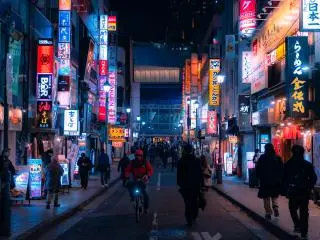
Tokyo, Japan
One of the 47 prefectures of Japan and has been the capital since 1869. The Greater Tokyo Area is the most populous metropolitan area in the world. It is the seat of the Emperor of Japan, the Japanese government and the National Diet.
Take in Tokyo from above with views from Tokyo Tower before a drive past the Imperial Palace Plaza, Tokyo Station, Marunouchi and the Ginza district. Continue to Asakusa to visit Sensoji Temple and explore Nakamise shopping street, lined with traditional stalls and local snacks. Then join a bonsai masterclass with an apprentice, and visit the Bonsai Museum, home to more than 1,000 documented trees, including a 1,000-year-old pine regarded as the masterpiece of Mr Kobayashi’s collection. This evening is at leisure. You could explore Ginza after dark, head to Shibuya for its bright crossings and city views, or find a local izakaya for dinner.
Tokyo, Japan
One of the 47 prefectures of Japan and has been the capital since 1869. The Greater Tokyo Area is the most populous metropolitan area in the world. It is the seat of the Emperor of Japan, the Japanese government and the National Diet.
Spend the day in the Izu Peninsula, beginning with a ropeway ride at Izu Panorama Park to the 452 m (1,483 ft) summit of Mount Katsuragi, where the viewing area, forest walkway and Katsuragi Shrine look out over the region and, on a clear day, Mount Fuji. Continue to Nakaizu Winery Chateau for lunch with paired wines among the vineyard slopes of central Izu. Later, travel to Mishima, known for the spring water that flows from Mount Fuji into the city. This evening, join your fellow travelers for dinner at your hotel.
Tokyo, Japan
One of the 47 prefectures of Japan and has been the capital since 1869. The Greater Tokyo Area is the most populous metropolitan area in the world. It is the seat of the Emperor of Japan, the Japanese government and the National Diet.
Izu, Japan
Mishima, Japan
Discover another side of Shizuoka today as you visit a tea plantation and meet Mr Noboru, a tea master from a family-run farm known for its gyokuro. You’ll learn about the traditions behind the tea grown here, make your own cup and taste the difference between the brews. Enjoy a green tea-inspired lunch of green tea noodles in soup with vegetable tempura, served as a local expression of Shizuoka’s tea culture. Later, board one of Japan’s famous bullet trains to Nagoya, an experience that has become part of the country’s modern identity. On arrival, check in to your hotel.
Mishima, Japan
Shizuoka, Japan
The capital of the Japaneses prefecture of the same name, Shizuoka has been populated since prehistoric times. It rests in the shadow of Mt. Fuji, the iconic Japanese peak.
Nagoya, Japan
The largest city in the Chubu region of Japan, Nagoya is an industrial shipping center. The main industry in the area is automotive, and many car companies, like Lexus, have their headquarters here.
In Seki, a city known for sword-making for more than 700 years, join a MAKE TRAVEL MATTER® Experience for a private sword forging demonstration with a master swordsmith. Continue to the Washi Paper Museum to learn about Japanese papermaking and create your own souvenir. Then travel to Gujo Hachiman for a kaiseki lunch, a traditional multi-course Japanese meal, at a local restaurant. Enjoy a demonstration of Gujo Odori, Gujo Hachiman’s traditional festival dance, before free time to explore and perhaps try the town’s well-known eel.
Nagoya, Japan
The largest city in the Chubu region of Japan, Nagoya is an industrial shipping center. The main industry in the area is automotive, and many car companies, like Lexus, have their headquarters here.
Seki, Japan
Gujo Hachiman, Japan
Nagoya, Japan
The largest city in the Chubu region of Japan, Nagoya is an industrial shipping center. The main industry in the area is automotive, and many car companies, like Lexus, have their headquarters here.
Enjoy a Relaxed Start before visiting Takayama, where the preserved streets of the old town reflect the character of the Edo period. There is time to explore, perhaps browsing sake breweries and local craft shops, or visiting Takayama Jinya. Continue to Ainokura, part of the UNESCO-listed Gokayama region, where gassho-zukuri farmhouses with steep thatched roofs still shape the village landscape. Later, travel to Kanazawa and check in to your hotel. The evening is at leisure. You could explore Higashi Chaya District after dark, dine on local seafood, or head out into the city for drinks and late-night food.
Nagoya, Japan
The largest city in the Chubu region of Japan, Nagoya is an industrial shipping center. The main industry in the area is automotive, and many car companies, like Lexus, have their headquarters here.
Takayama, Japan
Takayama enchants with its Edo-period charm - wander Sanmachi's wooden merchant houses, sample premium sake, and savor melt-in-your-mouth Hida beef. Don't miss the morning markets or the breathtaking Takayama Festival floats.
Gokayama, Japan
Gokayama is a hidden gem in Toyama Prefecture, famous for its UNESCO-listed gassho-zukuri farmhouses with steep thatched roofs. It offers an authentic glimpse into traditional Japanese mountain life.
Kanazawa, Japan
Kanazawa is a historic city in Ishikawa Prefecture, Japan, renowned for its well-preserved Edo-era districts, traditional crafts, and stunning gardens.
Visit Kenrokuen Garden, one of Japan’s most celebrated landscape gardens, before sitting down to a four-course lunch at Jardin Paul Bocuse, where the culinary tradition of one of France’s most influential chefs is expressed through seasonal ingredients from Ishikawa and the wider Hokuriku region. Continue at Ohi Gallery, where you’ll discover Ohi ware, a pottery tradition established in 1666 and closely linked to Kanazawa’s tea culture, before enjoying matcha tea. Later, spend time in Higashi Chaya District, where preserved wooden teahouses reflect Kanazawa’s geisha culture and shops showcase the gold leaf craft for which the city is known.
Kanazawa, Japan
Kanazawa is a historic city in Ishikawa Prefecture, Japan, renowned for its well-preserved Edo-era districts, traditional crafts, and stunning gardens.
Enjoy a Relaxed Start before boarding Japan’s bullet train to Kyoto. On arrival, join your Travel Director for a walk through Gion, Kyoto’s well-known geisha district, where traditional wooden townhouses and narrow lanes reflect the character of the old capital. There is free time to explore before you check in to your hotel. The rest of the day is at leisure. You could visit Nishiki Market, explore Pontocho’s dining streets, or head out in the evening to see Kyoto’s temple district after dark.
Kanazawa, Japan
Kanazawa is a historic city in Ishikawa Prefecture, Japan, renowned for its well-preserved Edo-era districts, traditional crafts, and stunning gardens.
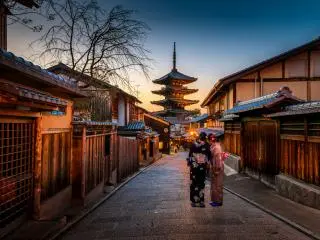
Kyoto, Japan
For over 1,000 years, Kyoto was the imperial capital of Japan. Today, its economy is based around information technology. It is home to the Nintendo headquarters, one of the world's most popular video game corporations.
Enjoy a morning visit to Fushimi Inari Shrine, the head shrine of Inari worship in Japan, known for the thousands of vermilion torii gates that lead into the hillside. Continue to Arashiyama Bamboo Forest and explore Arashiyama with Insight Choice. You could take part in sutra copying at a temple, where Buddhist scripture is copied by hand in a quiet, traditional setting, or choose a rickshaw ride through the district instead. Later, visit Kinkaku-ji, the Golden Pavilion, one of Kyoto’s most recognized landmarks. The evening is at leisure. You could return to Gion, dine along Pontocho Alley, or head into the lanes around Kiyamachi for bars, restaurants and a different side of Kyoto after dark.
Kyoto, Japan
For over 1,000 years, Kyoto was the imperial capital of Japan. Today, its economy is based around information technology. It is home to the Nintendo headquarters, one of the world's most popular video game corporations.
Enjoy a full day at leisure in Kyoto to return to the places that caught your interest, pick up souvenirs or explore more of the city at your own pace. You may choose an Optional Experience to Osaka and Nara, taking in Osaka Castle, then visiting Dotonbori Street before heading to Nara Deer Park, or an Optional Experience to a sake brewery for a tour and tasting. This evening, mark the final night of your small group tour through Japan with a Kyo Kaiseki dinner, Kyoto’s traditional multi-course cuisine, accompanied by a performance from a maiko, an apprentice geisha.
Kyoto, Japan
For over 1,000 years, Kyoto was the imperial capital of Japan. Today, its economy is based around information technology. It is home to the Nintendo headquarters, one of the world's most popular video game corporations.
After breakfast, say goodbye to your small group and Travel Director and bringing your journey through Japan to a close.
Kyoto, Japan
For over 1,000 years, Kyoto was the imperial capital of Japan. Today, its economy is based around information technology. It is home to the Nintendo headquarters, one of the world's most popular video game corporations.
Includes & Excludes
Price Includes
Additional Notes
- Day 1 - Option 1: Narita International Airport (NRT) - Complimentary arrival transfers from Narita International Airport (NRT) will operate by airport shuttle bus service, Airport Limousine, on the first day of the tour or in conjunction with pre accommodation booked through Insight Vacations. Our Ground Handler staff meet the guests and assist them in boarding an airport limousine. They will also provide shuttle bus vouchers to guests based on flight details in our system in Tropics. Should guests take a shuttle bus without connecting with our Ground Handler staff, the Travel Director will refund the cost of the bus ticket. After the final airport shuttle bus service, a taxi is arranged for guests at no additional charge. Please note that this service is not actively promoted and is only provided when absolutely necessary.
- Day 1 - Option 2: Haneda International Airport (HND) - Complimentary arrival transfers from Haneda International Airport (HND) will operate per flight information details on the first day of the tour or in conjunction with pre accommodation booked through Insight Vacations. No airport shuttle bus service from Haneda International Airport. The Ground Handler reserves the cars based on flights details. (If guests arrive on similar flights, it is possible that they would share the car with other guests). Our Ground Handler staff will meet the guests at arrival lobby and assist them in boarding the car. Please note that we do not actively advertise the car transfer from Haneda International Airport (HND), as doing so may lead a majority of guests to choose to fly to HND instead.
- Day 9 - Departure Transfers - Complimentary departure transfers to Kansai International Airport (KIX) or Osaka International Airport (ITM) will operate by airport shuttle bus on the last day of the tour or in conjunction with post accommodation booked through Insight Vacations. The Travel Director will provide guests with bus tickets.
- GROUND HANDLER: This trip is operated by JTB Global Marketing & Travel Inc.
- OVERNIGHT BAG: Guests will require an overnight bag, as there are no luggage compartments on the Bullet Trains. Main luggage will be transferred separately by road luggage truck and delivered to the hotel the following day in Nagoya and Kyoto.
Policies
All purchases are subject to re-confirmation within 2-3 business days after booking. Please do not book airline tickets until you have received the confirmation.
Complete operator information, including local telephone numbers at your destination, is included on your e-ticket. You must print the e-tickets and take them along on your trip; they are your proof of purchase.
Travel Documents
Each passenger must carry a valid travel document. (Valid visa for countries needed) (E.g. Green Card, Passport, Re-Entry Permit, and etc.) Tour operator is not responsible for lost or stolen personal items.
Each passenger must carry a valid travel document. (Valid visa for countries needed) (E.g. Green Card, Passport, Re-Entry Permit, and etc.) Tour operator is not responsible for lost or stolen personal items.
Cancellation penalties per person (request day and departure day are not counted)
30 days or more prior to departure - $175/person penalty.
2-29 days or more prior to departure - $280/person penalty.
Day of departure no show or late - 100% per person.
If the tour include airtickets, additional $75+airline surcharge will be charged as penalty.
Unused features are non-refundable. No shows forfeit entire payment.
Trips require a minimum number of participants to avoid cancellation. We reserve the right to cancel a scheduled trip to fully refund affected customers although tour companies will make every effort to maintain normal operations.
The refund amount will be credited directly to your TakeTours wallet as credits for future use. Or the refund can also be forwarded directly to your credit card with a 6% handling fee.
NOTE: We cannot grant any refunds more than 30 days after completion of the tour.
30 days or more prior to departure - $175/person penalty.
2-29 days or more prior to departure - $280/person penalty.
Day of departure no show or late - 100% per person.
If the tour include airtickets, additional $75+airline surcharge will be charged as penalty.
Unused features are non-refundable. No shows forfeit entire payment.
Trips require a minimum number of participants to avoid cancellation. We reserve the right to cancel a scheduled trip to fully refund affected customers although tour companies will make every effort to maintain normal operations.
The refund amount will be credited directly to your TakeTours wallet as credits for future use. Or the refund can also be forwarded directly to your credit card with a 6% handling fee.
NOTE: We cannot grant any refunds more than 30 days after completion of the tour.
Q & A
Customer Q & As
Ask a QuestionNo one has questions about this product. Be the first one to ask questions and we will answer you within 12 to 24 hours.
Reviews
Please post your review to earn 100 points and help other travelers make confident decisions.
Photos
Upload Your Trip Photos & Earn Rewards
Upload 3 or more approved trip photos and earn 300 Loyalty
Points.
Selected photos may receive an additional 200 point bonus.
Maximum photo reward per tour: 500 points.
Please check the Loyalty Program FAQ for more information.