Day 1 Shanghai
Day 2 Shanghai
Day 3 Shanghai - Luoyang (1029 km)
Day 4 Luoyang - Longmen - Sanmexia - Xian (410 km)
Day 5 Xian
Day 6 Xian - Linfen - Lingshi - Pingyao (548 km)
Day 7 Pingyao - Wutai (318 km)
Day 8 Wutai - Xinzhou - Yingxian - Datong - Datong
Day 9 Datong - Zhangjiakou - Beijing (375 km)
Day 10 Beijing
Day 11 Beijing
Day 12 Beijing - Seoul
Day 13 Seoul
Day 14 Seoul - Suwon - Jeonju (193 km)
Day 15 Jeonju - Damyang - Gyeongsan - Busan (299 km)
Day 16 Busan - Fukuoka
Day 17 Fukuoka - Iwakuni - Hatsukaichi - Hiroshima (295 km)
Day 18 Hiroshima - Matsuyama (67 km)
Day 19 Matsuyama - Kotohira - Takamatsu - Naruto - Kobe (312 km)
Day 20 Kobe - Osaka - Mount Koya (328 km)
Day 21 Mount Koya - Kyoto (260 km)
Day 22 Kyoto - Nagiso - Matsumoto - Nagano (395 km)
Day 23 Nagano - Kyoto - Kusatsu - Ikaho (843 km)
Day 24 Ikaho - Nikko - Tokyo (190 km)
Day 25 Tokyo
Day 26 Tokyo
Day 1:
Shanghai
Welcome to China! Upon arrival, transfer to the hotel. We arrive in Shanghai, a cosmopolitan city of over 15 million residents, home to China's largest commercial port and its most international metropolis.
-
Shanghai, CN
The "Paris of the East" is one of the busiest, most populated, and most influential cities in the world. It is also more than a thousand years old, dating back to the tenth century AD and the Song Dynasty.
Day 2:
Shanghai
Breakfast: Included|Lunch: Included (Bufet)|Dinner: Excluded
Our tour of Shanghai will take us through its most iconic sights. We'll begin in Pudong, Shanghai's modern financial district, located across the Huangpu River. This area is home to towering skyscrapers, including the iconic Pearl Tower.We'll then take a scenic ferry ride across the Shanghai River, offering spectacular views of both the historic and contemporary sides of the city.Next, we'll stroll through the Old City and visit the serene Yuyuan Garden, a beautifully preserved private garden built during the Ming Dynasty. Here, we'll also an explanation of traditional tea, an integral part of China's rich cultural heritage.Our tour will continue through Xintiandi, one of the city's trendiest neighborhoods, known for its stylish boutiques, cafes, and vibrant atmosphere.Lunch will be included.In the afternoon, we'll explore Tianzifang, a former residential district now famous for its maze-like alleys, charming craft shops, and contemporary art galleries.We'll conclude our day with a walk along The Bund, where grand colonial-era buildings reflect the influence of European trade in Shanghai.Free afternoon. If you wish, you can enjoy a boat trip to see Shanghai at night, it will be an unforgettable experience.
-
Shanghai, CN
The "Paris of the East" is one of the busiest, most populated, and most influential cities in the world. It is also more than a thousand years old, dating back to the tenth century AD and the Song Dynasty.
Day 3:
Shanghai - Luoyang (1029 km)
Breakfast: Included|Breakfast: Included|Lunch: Included (Roast Beef with mushrooms
Shrimp with garlic
Kung Pao Chicken
Fried chicken with corn
Duck roll
Sweet and sour pork
Aubergines
Fried cauliflower
Vegetable with garlic
Egg cakes
Fried rice
Soup
Fruit)|Dinner: Excluded
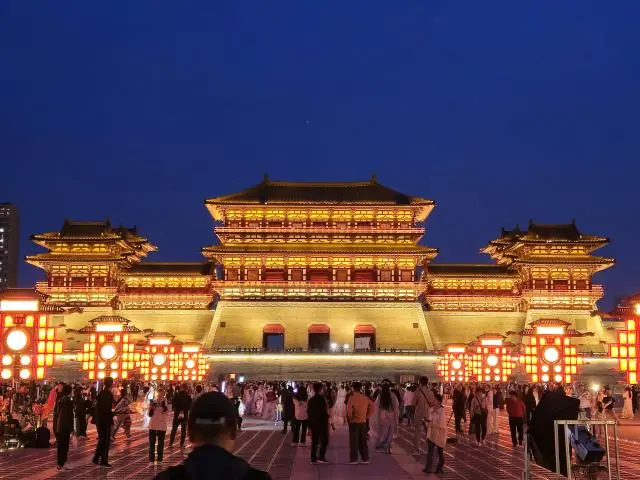
Transfer to the train station to board a high-speed train (scheduled departure at 07:17 a.m.). In just over five hours, we'll travel 1,000 km through picturesque landscapes, passing through beautiful stretches of countryside before arriving in Luoyang.Lunch will be included.Our visit will begin at the awe-inspiring Longmen Buddhist Caves, an extraordinary complex stretching over a kilometer along the rocky cliffs of the river. Here, more than 100,000 Buddha statues and carvings have been sculpted into the stone, creating one of China's most remarkable archaeological sites. To fully appreciate the grandeur of this site, we'll also enjoy a scenic boat ride along the river.Afterward, we'll transfer to the ancient city of Luoyang, where we'll pass through its imposing walls and immerse ourselves in the lively atmosphere of its illuminated streets, filled with traditional charm and vibrant local activity.
-
Shanghai, CN
The "Paris of the East" is one of the busiest, most populated, and most influential cities in the world. It is also more than a thousand years old, dating back to the tenth century AD and the Song Dynasty.
-
Day 4:
Luoyang - Longmen - Sanmexia - Xian (410 km)
Breakfast: Included|Breakfast: Included|Breakfast: Included|Breakfast: Included|Lunch: Included (Buffet on table)|Dinner: Excluded
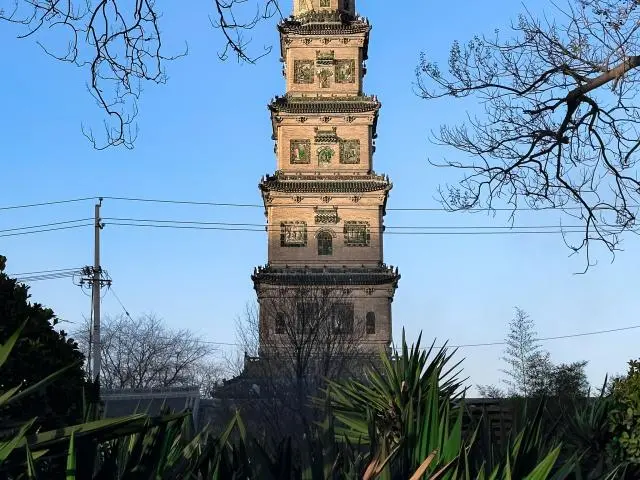
In the early morning, on the outskirts of Luoyang, we'll visit the White Horse Buddhist Monastery, a vast and historic center of Buddhist learning that welcomes scholars and practitioners from around the world.We'll then continue our journey to Sanmenxia, a city rich in history. Here, we'll admire the mighty Yellow River and visit the Baolun Temple, known for its striking tall pagoda. We'll also explore the renowned Guo Museum, considered one of the finest in China, where we'll see the ancient funeral carriages of the former State of Guo, offering a fascinating glimpse into the region's past.Lunch will be included.Our journey eastward will take us past the sacred Mount Hua, one of China's holiest mountains, known for its dramatic peaks and spiritual significance.By late afternoon, we'll arrive in Xian, where our day will come to an end.
-
-
-
Sanmenxia, CN
Sanmenxia, located in western Henan Province, is famous for the Sanmenxia Dam on the Yellow River. It is a city rich in ancient Chinese cultural heritage and offers stunning views of the Yellow River's natural landscape.
-
Xian, CN
Xian, once known as Chang'an, is the capital of Shaanxi Province and a world-renowned historical and cultural city. As the eastern terminus of the Silk Road and a capital for 13 dynasties, it is famed for its well-preserved ancient city wall, the magnificent Terracotta Army, and numerous historical sites.
Day 5:
Xian
Breakfast: Included|Lunch: Excluded|Dinner: Excluded
We have arrived in Xian, the fascinating city where the ancient Silk Road began.In the morning, we'll visit the legendary Terracotta Army, an astonishing archaeological site where thousands of life-sized clay soldiers, hidden underground for centuries, stand guard over the tomb of China's first emperor.Afterward, we'll return to Xian to visit the Small Wild Goose Pagoda, a beautiful Buddhist structure that has stood for over a thousand years.Next, we'll explore the city's historic walled center, passing through the vibrant Muslim Quarter, where we'll visit the Great Mosque. This unique site reflects the rich blend of cultures and religions that have shaped China over the centuries.Our tour also includes entrance to the Drum Tower, where we'll enjoy a short performance of traditional Chinese music played on ancient instruments.Afterward, you'll have free time to explore at your own pace.
-
Xian, CN
Xian, once known as Chang'an, is the capital of Shaanxi Province and a world-renowned historical and cultural city. As the eastern terminus of the Silk Road and a capital for 13 dynasties, it is famed for its well-preserved ancient city wall, the magnificent Terracotta Army, and numerous historical sites.
Day 6:
Xian - Linfen - Lingshi - Pingyao (548 km)
Breakfast: Included|Breakfast: Included|Breakfast: Included|Breakfast: Included|Lunch: Included (Buffet on table)|Dinner: Excluded
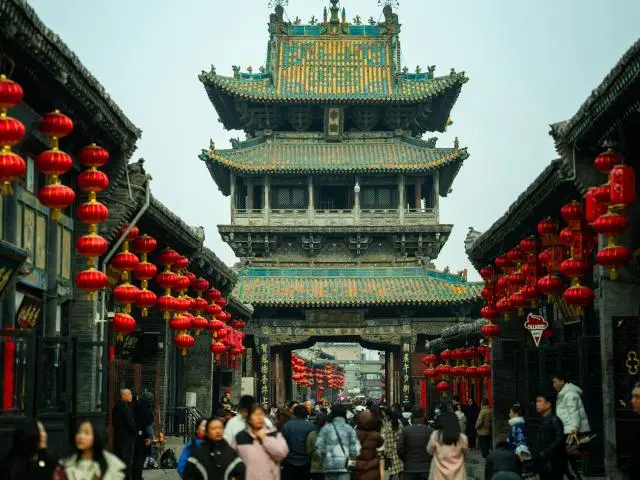
We'll depart from Xian aboard a state-of-the-art high-speed train, reaching Linfen in less than three hours.From there, we'll continue by coach to the Mansion of the Wang Clan, an impressive estate built by a wealthy family between the 17th and 19th centuries, showcasing the grandeur of traditional Chinese architecture.Lunch will be included.Our journey will then take us to Pingyao, the best-preserved historical city in China. With more than 4,000 ancient buildings, this UNESCO World Heritage Site offers a glimpse into the country's rich past. We'll take time to explore its charming streets, where centuries-old traditions still thrive.Our tour includes entry tickets granting access to all the temples, mansions, and the city's walls, allowing us to fully immerse ourselves in the unique atmosphere of this remarkable town.
-
Xian, CN
Xian, once known as Chang'an, is the capital of Shaanxi Province and a world-renowned historical and cultural city. As the eastern terminus of the Silk Road and a capital for 13 dynasties, it is famed for its well-preserved ancient city wall, the magnificent Terracotta Army, and numerous historical sites.
-
Linfen, CN
Linfen, located in southwestern Shanxi Province, is one of the cradles of Chinese civilization. Known as the 'First Capital of Huaxia,' it boasts a rich history with cultural sites like the Yao Temple and the Hongdong Great Pagoda Tree.
-
Lingshi, CN
Lingshi County, located in central Shanxi Province, China, is named after a meteorite discovered here during the Sui Dynasty. It is known for its scenic mountains like Mianshan and Shigaoshan, as well as its rich merchant culture heritage.
Wang Family Mansion
The Wang Family Mansion is a large-scale complex of Ming and Qing dynasty residential architecture in Jingsheng Town, Lingshi County, Shanxi Province. Known as the 'First Folk Residence in China,' it features grand scale, strict layout, exquisite carvings, and a blend of official, commercial, and civilian architectural styles.
-
Day 7:
Pingyao - Wutai (318 km)
Breakfast: Included|Breakfast: Included|Lunch: Excluded|Dinner: Included (Buffet on table)
Today, we'll journey to one of the most spiritually significant places in China-Wutai Mountain. Nestled among lush green mountains and dense forests, this sacred site is a major center of Lamaism, a form of Buddhism deeply rooted in the region.Home to a thriving monastic community, Wutai Mountain boasts more than 40 ancient monasteries, with many more built in recent years. Here, the tranquility and spiritual energy of the surroundings create a truly unique atmosphere.With our guide, we'll visit the Nanshan Temple, an important religious site known for its serene beauty and historical significance. Afterward, you'll have free time to explore lesser-visited temples, where you can respectfully observe the monks in their daily practices.Dinner will be included.
-
-
Wutai, CN
Wutai Mountain, one of China's Four Sacred Buddhist Mountains, is renowned as the bodhimanda of Manjushri Bodhisattva. Located in Shanxi Province, it features five flat peaks and numerous ancient temples, making it a major pilgrimage site and summer retreat.
Day 8:
Wutai - Xinzhou - Yingxian - Datong - Datong
Breakfast: Included|Breakfast: Included|Breakfast: Included|Breakfast: Included|Breakfast: Included|Lunch: Included (Buffet on table)|Dinner: Excluded
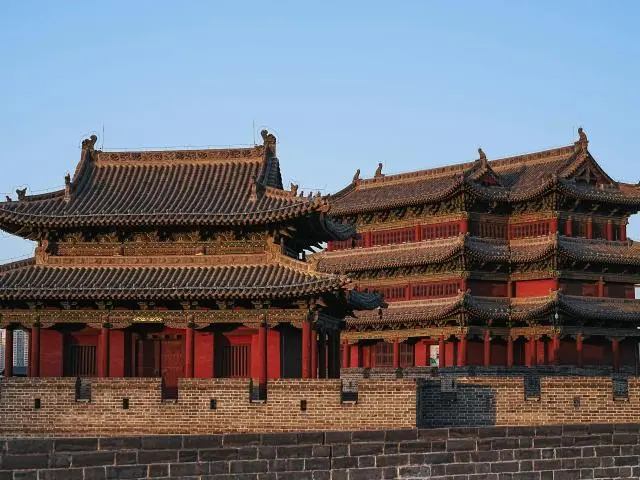
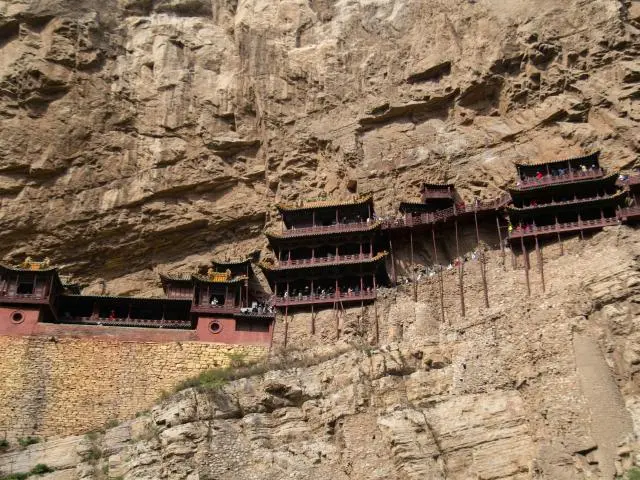
After breakfast, we'll journey through a scenic mountain road, surrounded by breathtaking landscapes, as we make our way to Yanmen Pass, near the Mongolian border.In one of the mountain passes, we'll visit a secluded section of the Great Wall of China, where we can take a peaceful walk away from the crowds, fully immersing ourselves in the majesty of this ancient wonder.Our journey will continue to Yingxian, a charming and picturesque village known for its remarkable wooden pagoda, an architectural masterpiece.Lunch will be included.In the afternoon, we'll visit the astonishing Hanging Temple of Xuankong, an incredible structure built into the side of a cliff, seemingly defying gravity.As the day comes to an end, we'll travel by coach to Datong, where you'll have time to stroll through its historic center, admire its impressive city walls, and soak in the atmosphere of this beautifully restored ancient city.
-
Wutai, CN
Wutai Mountain, one of China's Four Sacred Buddhist Mountains, is renowned as the bodhimanda of Manjushri Bodhisattva. Located in Shanxi Province, it features five flat peaks and numerous ancient temples, making it a major pilgrimage site and summer retreat.
-
Xinzhou, CN
Xinzhou is a prefecture-level city in northern Shanxi Province, China. It is a historically significant cultural city, renowned for the Buddhist sacred site Mount Wutai and the ancient Yanmen Pass, serving as a vital corridor between central plains and northern frontiers.
Yanmenguan
Yanmenguan is one of the most important ancient military passes in China, located in Shanxi Province. Known as the 'First Pass under Heaven,' it is a key section of the Great Wall and has witnessed countless historical battles and cultural exchanges.
-
Yingxian, CN
A county of Shanxi, China. It is under the administration of Shuozhou city.
-
Datong, CN
A prefecture-level city in northern Shanxi Province in China.The Yungang Grottoes are a collection of shallow caves located 16 km west of Datong.
Hanging Temple
A temple built into a cliff (75 m or 246 ft above the ground) near Mount Heng in Hunyuan County, Datong City, Shanxi province. Built more than 1,500 years ago, this temple is notable not only for its location on a sheer precipice but also because it is the only existing temple with the combination of three Chinese traditional religions: Buddhism, Taoism, and Confucianism.
-
Datong, CN
A prefecture-level city in northern Shanxi Province in China.The Yungang Grottoes are a collection of shallow caves located 16 km west of Datong.
Day 9:
Datong - Zhangjiakou - Beijing (375 km)
Breakfast: Included|Breakfast: Included|Breakfast: Included|Lunch: Excluded|Dinner: Excluded
On the outskirts of Datong, we visit the Yungang Caves, China's most magnificent cave art complex. Dating back to the 5th century, this UNESCO World Heritage Site features 252 caves filled with over 51,000 intricately carved Buddhist statues, making it one of the country's most extraordinary cultural treasures. Transfer to Datong station to board a high-speed train (included) to the town of Xuanhua.Our journey will continue by road to Jiming Post, a small, traditional Chinese settlement that has preserved its peaceful, provincial charm. Originally established as a rest stop for imperial couriers, this historic village offers a glimpse into a quieter, bygone era of China's past.In the afternoon, we'll travel onward to Beijing, arriving by mid-afternoon.
-
Datong, CN
A prefecture-level city in northern Shanxi Province in China.The Yungang Grottoes are a collection of shallow caves located 16 km west of Datong.
-
Zhangjiakou, CN
Zhangjiakou, located in northwestern Hebei Province, is a key transportation hub connecting North China and Northwest China. It was a major venue for snow sports during the 2022 Beijing Winter Olympics, renowned for its Great Wall culture and winter sports resources.
Jiming post
Jiming Post, also known as Jimingshan Post, is a well-preserved Ming Dynasty courier station located in Huailai County, Zhangjiakou, Hebei Province, China. It is renowned as the largest and most complete ancient postal station in China.
-
Beijing, CN
With more than 20 million people, China's capital is one of the most populated cities in the world. Beijing is an incredibly ancient city, and its stylized architecture, opulent gardens, and more have made it a popular tourism locale.
Day 10:
Beijing
Breakfast: Included|Lunch: Included (Buffet on table)|Dinner: Excluded
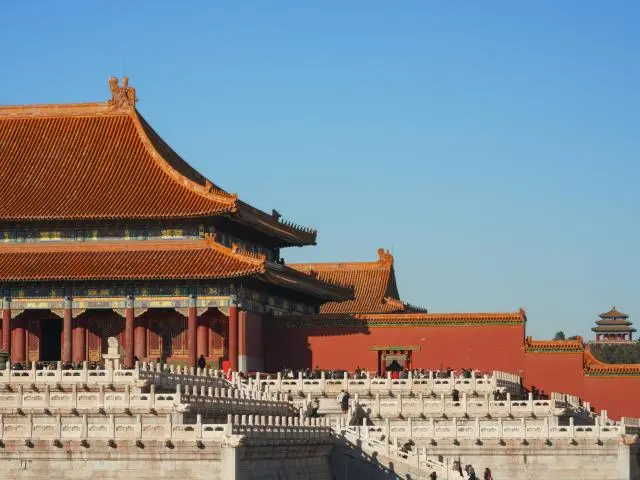
An exciting day awaits us as we explore the highlights of China's capital. We'll enjoy a full-day guided tour, starting with a walk through the immense Tiananmen Square, one of the largest squares in the world. Next, we'll visit the majestic Forbidden City, the most impressive architectural complex in China, where 24 emperors ruled for nearly 500 years. We'll also visit Jingshan Park, home to Coal Hill, one of Beijing's best-preserved imperial gardens. Climbing to the top of the hill, we'll be rewarded with breathtaking panoramic views of the Forbidden City-weather permitting.Lunch will be included.In the afternoon, we'll experience local life with a tricycle ride through the traditional Hutong neighborhoods, where we can observe daily life, visit charming shops, and step inside a Siheyuan, a traditional courtyard house.We'll then conclude our tour with a visit to the stunning Summer Palace, the former imperial retreat of the Qing Dynasty, renowned for its exquisite gardens and tranquil lakes.06:30 p.m. - Tour ends. You may return to the hotel by bus or choose to stay in the city center (in which case, the return to the hotel will be at your own expense. We recommend carrying the hotel's address written in Chinese to show the taxi driver).Note: Due to heritage conservation measures and enhanced visitor safety, the governing body of the Forbidden City has temporarily reduced daily visitor capacity. As a result, we cannot guarantee access to this site. If the visit is not possible, it will be replaced with a tour of the Confucius Temple and the Lama Temple, both iconic landmarks in Chinese history and culture.
-
Beijing, CN
With more than 20 million people, China's capital is one of the most populated cities in the world. Beijing is an incredibly ancient city, and its stylized architecture, opulent gardens, and more have made it a popular tourism locale.
Day 11:
Beijing
Breakfast: Included|Lunch: Excluded|Dinner: Included (Traditional Peking Duck
Zhizi barbecue
Golden fried ball
Kungbao chicken
Muxu and egg with vinegar
Pork stew with turnip
Shrimp with honey sauce
Broccoli
Vegetable beef soup
Fruit
Rice)
Today's journey will take us to one of the most iconic landmarks in the world-the Great Wall of China, at the Mutianyu section. This awe-inspiring architectural masterpiece spans over 2,000 years of history, winding through breathtaking mountain landscapes. We'll take a cable car up and down to one of the most scenic sections, offering spectacular views of this legendary structure.Our next stop will be the Temple of Heaven, one of China's largest and most significant sacred complexes, recognized as a UNESCO World Heritage Site. This stunning architectural masterpiece was where emperors once prayed for good harvests.To unwind after an exciting day, we'll take part in a relaxing Tai Chi class and enjoy a soothing foot massage. We'll bid farewell to Beijing with a traditional Peking duck dinner (included). Return to the hotel.
-
Beijing, CN
With more than 20 million people, China's capital is one of the most populated cities in the world. Beijing is an incredibly ancient city, and its stylized architecture, opulent gardens, and more have made it a popular tourism locale.
Day 12:
Beijing - Seoul
Breakfast: Included|Breakfast: Included|Lunch: Excluded|Dinner: Included (Bibimbap with several kinds of side dishes)
After breakfast, transfer to the airport to board a flight to SEOUL. Welcome to KOREA! Transfer to your hotel and meeting with your guide.In the late afternoon, we will begin our introduction to this fascinating country. With our guide, we will head to City Hall to see this tsunami-shaped building. We will also see Deoksugung Palace, located across from City Hall, beautifully illuminated at night, allowing us to appreciate the contrast between tradition and modernity in Korea. Afterwards, we will walk to the Myeongdong district, the city's main shopping and entertainment area, whose name means "bright tunnel." Dinner included at a local restaurant. Return to the hotel by Seoul's modern subway (ticket included). Overnight stay.
-
Beijing, CN
With more than 20 million people, China's capital is one of the most populated cities in the world. Beijing is an incredibly ancient city, and its stylized architecture, opulent gardens, and more have made it a popular tourism locale.
-
Seoul, KOREA
Seoul is the capital and largest metropolis of South Korea. The Seoul Capital Area, which includes the surrounding Incheon metropolis and Gyeonggi province, is the world's second largest metropolitan area with over 25.6 million people, home to over half of South Koreans along with 632,000 international residents.
Day 13:
Seoul
Breakfast: Included|Lunch: Included (Marinated Korean BBQ pork called Galbi comes with soup and rice.)|Dinner: Excluded
Today we include an extensive visit of approximately five hours in SEOUL. We will visit Changdeokgung Palace (entrance included), a UNESCO World Heritage Site, a complex of palaces set within a large park. Afterwards, we will stroll through Bukchon Hanok Village, a traditional historic neighborhood of small, well-preserved houses.We will then visit the War Memorial of Korea (entrance included), an impressive war museum that explains the conflicts experienced by Korea throughout its history, especially the Korean War, in which soldiers from many countries participated under the United Nations.Lunch is included at a local restaurant. We then continue to the Gangnam District, one of the city's most vibrant areas, home to numerous shopping malls and entertainment venues.To conclude the day, we will stop at Lotte World Tower, an impressive 550-meter-tall building, where you will have free time to go up to the observation deck (admission not included) or to stroll through its park or luxury shopping centers.Return to the hotel and free time.
-
Seoul, KOREA
Seoul is the capital and largest metropolis of South Korea. The Seoul Capital Area, which includes the surrounding Incheon metropolis and Gyeonggi province, is the world's second largest metropolitan area with over 25.6 million people, home to over half of South Koreans along with 632,000 international residents.
Day 14:
Seoul - Suwon - Jeonju (193 km)
Breakfast: Included|Breakfast: Included|Breakfast: Included|Lunch: Included (Lunch Setappetizer bread, 2 pieces of pizza, small portion of pasta with soft drink.)|Dinner: Excluded
Today, we'll visit Gyeongbokgung Palace (entrance included), a stunning palace with over 600 years of history. We'll have the chance to witness the ceremonial changing of the guard if it takes place at that time. Afterward, we'll depart from Seoul and head south. Our first stop will be SUWON, the former capital of Korea, renowned for its impressive UNESCO World Heritage walls. We'll see these remarkable fortifications and visit Hwaseong Haenggung, the summer palace (entrance included). Lunch will be included. We'll then continue to JEONJU, where we'll discover its fascinating historic center (Hanok Village), with its little houses, traditional shops, and art galleries.
-
Seoul, KOREA
Seoul is the capital and largest metropolis of South Korea. The Seoul Capital Area, which includes the surrounding Incheon metropolis and Gyeonggi province, is the world's second largest metropolitan area with over 25.6 million people, home to over half of South Koreans along with 632,000 international residents.
-
Suwon, KOREA
Suwon is the largest city in Gyeonggi-do province, with World Heritageâlisted fortifications still looping around its heart.
-
Jeonju, KOREA
It is an important tourist center famous for Korean food, historic buildings, sports activities, and innovative festivals.
Day 15:
Jeonju - Damyang - Gyeongsan - Busan (299 km)
Breakfast: Included|Breakfast: Included|Breakfast: Included|Breakfast: Included|Lunch: Included (Lunch Ddeokgalbi Daetongbap, rice in bamboo)|Dinner: Excluded
We'll depart toward the SUNCHANG GOCHUJANG VILLAGE, located at the base of Mount Amisan, with its hanok houses and courtyards filled with clay pots called hang-a-ri. This village is home to master artisans who craft gochujang (Korean chili paste) using traditional methods. We'll enjoy a hands-on experience learning how to make this famous sauce. Afterward, we'll continue to DAMYANG to visit the Juknokwon Bamboo Forest (entrance included), where the paths are considered some of the most beautiful in the country, perfect for meditation and enjoying the fresh breeze. We'll also find a variety of bamboo products, celebrated in places like the Bamboo Museum (entrance included). Lunch will be included, and we'll taste a local specialty: rice cooked and served inside a bamboo stalk. Surrounded by stunning mountain landscapes and forests, we'll arrive at HAEINSA, one of Korea's most important Buddhist temples (entrance included) and a UNESCO World Heritage Site. Built in 802, it houses the Tripitaka, the most complete collection of Buddhist scriptures, carved on 80,000 wooden tablets. We'll then continue to BUSAN, Korea's second-largest city, known for its vibrant atmosphere, for accommodation.
-
Jeonju, KOREA
It is an important tourist center famous for Korean food, historic buildings, sports activities, and innovative festivals.
-
Damyang, KOREA
Damyang County is a county in Jeollanam-do, South Korea. Tourism is a major local industry. Notable local products include bamboo goods and strawberries.
-
Gyeongsan, KOREA
Gyeongsan is a city in North Gyeongsang Province, South Korea, located near Daegu. Known for its traditional Hanok villages, cultural heritage sites, and scenic natural landscapes, it offers an authentic experience of Korean traditional culture and rural life.
Haeinsa
Haeinsa is one of Korea's most important Buddhist temples, located in Gayasan National Park. It is renowned for housing the Tripitaka Koreana, a UNESCO World Heritage collection of Buddhist scriptures carved onto 81,258 wooden printing blocks.
-
Busan, KOREA
South Korea's second most-populous city after Seoul, the economic, cultural and educational center of southeastern Korea. It hosted the APEC in 2005, the 2002 Asian Games and FIFA World Cup. It is home to the world's largest department store, the Shinsegae Centum City. Busan was added to the UNESCO Creative Cities Network as a "City of Film" in December 2014.
Day 16:
Busan - Fukuoka
Breakfast: Included|Breakfast: Included|Lunch: Included (Complete beef tenderloin menu fine beef tenderloin, bean paste stew and rice with garnishes.)|Dinner: Excluded
In the morning, we depart from BUSAN to visit Haedong Yonggungsa, a 14th-century Buddhist temple located by the sea. We return to Busan and visit the United Nations Memorial Cemetery (entrance included), where people from many different countries are laid to rest. We then head to the country's largest fish market, located next to Nampo Port. Lunch included.After lunch, transfer to the airport to board the flight (included) from Busan to FUKUOKA, JAPAN. Arrival and transfer to the hotel.
-
Busan, KOREA
South Korea's second most-populous city after Seoul, the economic, cultural and educational center of southeastern Korea. It hosted the APEC in 2005, the 2002 Asian Games and FIFA World Cup. It is home to the world's largest department store, the Shinsegae Centum City. Busan was added to the UNESCO Creative Cities Network as a "City of Film" in December 2014.
-
Fukuoka, JAPAN
Fukuoka is the capital city of Fukuoka Prefecture, situated on the northern shore of Japanese island Kyushu. It is the most populous city on the island.
Day 17:
Fukuoka - Iwakuni - Hatsukaichi - Hiroshima (295 km)
Breakfast: Included|Breakfast: Included|Breakfast: Included|Breakfast: Included|Lunch: Excluded|Dinner: Included (Dinner buffet)
We will travel to IWAKUNI, a small city where we'll see its beautiful and historic Kintai-kyo Bridge. We'll then continue to MIYAJIMA, taking a ferry to the island known as "where men and gods coexist." There we'll visit the Itsukushima Shrine, dedicated to the guardian of the seas and built partially over the water. You'll have time to explore the shrine, stroll through the charming town center, and enjoy lunch.We'll then continue on to HIROSHIMA, a city sadly known for the atomic bombing of 1945 that completely destroyed it. We'll walk through the Peace Memorial Park, see the Atomic Bomb Dome, and visit the moving Peace Memorial Museum. Dinner included.
-
Fukuoka, JAPAN
Fukuoka is the capital city of Fukuoka Prefecture, situated on the northern shore of Japanese island Kyushu. It is the most populous city on the island.
-
Iwakuni, JAPAN
Iwakuni is a city in Yamaguchi Prefecture, Japan, famous for its historic Kintai Bridge and Iwakuni Castle. This scenic city along the Nishiki River offers a blend of cultural heritage and natural beauty.
-
Hatsukaichi, JAPAN
Hatsukaichi is a city in Hiroshima Prefecture, Japan, famous for the UNESCO World Heritage site Itsukushima Shrine. It offers beautiful coastal scenery and rich cultural traditions.
Itsukushima
Itsukushima is a scenic island in Hiroshima Prefecture, famous for its iconic floating torii gate and Itsukushima Shrine, a UNESCO World Heritage site renowned for its unique architecture set over the water.
-
Hiroshima, JAPAN
The capital of Hiroshima Prefecture in Japan.As of August 2016, the city has an estimated population of 1,196,274. Hiroshima was the first city targeted by a nuclear weapon, when the United States Army Air Forces (USAAF) dropped an atomic bomb on the city at 8:15 a.m. on August 6, 1945, near the end of World War II.
Day 18:
Hiroshima - Matsuyama (67 km)
Breakfast: Included|Breakfast: Included|Lunch: Included (Buffet: includes soup, salad, dessert, curry, pork dishes, chicken, fish, pasta and a main course
Non-alcoholic beverages)|Dinner: Excluded
Today, we'll take a ferry to Shikoku Island; a pleasant two-and-a-half-hour journey that will help us understand Japan, a country made up of numerous islands. In Matsuyama, we'll ride the cable car to visit its impressive castle. After that, we'll visit Ishiteji, a beautiful Buddhist temple and a popular pilgrimage site. Lunch will be included at a local restaurant. Later in the afternoon, we'll include admission to Dogo Onsen, a traditional Japanese bathhouse built in the 19th century.
-
Hiroshima, JAPAN
The capital of Hiroshima Prefecture in Japan.As of August 2016, the city has an estimated population of 1,196,274. Hiroshima was the first city targeted by a nuclear weapon, when the United States Army Air Forces (USAAF) dropped an atomic bomb on the city at 8:15 a.m. on August 6, 1945, near the end of World War II.
-
Matsuyama, JAPAN
Matsuyama is the largest city on Shikoku. At the heart of the city stands Matsuyamajo, a beautiful, original castle. The city is also famed for being the setting of Natsume Soseki's popular novel, entitled "Botchan".
Day 19:
Matsuyama - Kotohira - Takamatsu - Naruto - Kobe (312 km)
Breakfast: Included|Breakfast: Included|Breakfast: Included|Breakfast: Included|Breakfast: Included|Lunch: Included (Lunch buffet)|Dinner: Excluded
We'll head to Kotohira, a Shinto shrine dedicated to the God of sailors and an important pilgrimage site built on Mount Zosu, accessible by climbing 785 steps. Next, in Takamatsu, we'll visit Ritsurin, one of the most beautiful gardens in Japan. Lunch will be included at a local restaurant.Afterward, in Naruto, we'll stop at an impressive bridge that spans the sea. Here, we'll explore its remarkable construction and walk along its glass floor to observe the powerful sea whirlpools from 45 meters above. Our scenic route will then take us across stunning bridges connecting islands over the sea. Finally, we'll arrive in Kobe for accommodation.
-
Matsuyama, JAPAN
Matsuyama is the largest city on Shikoku. At the heart of the city stands Matsuyamajo, a beautiful, original castle. The city is also famed for being the setting of Natsume Soseki's popular novel, entitled "Botchan".
-
Kotohira, JAPAN
A town located in Nakatado District, Kagawa Prefecture, Japan. The town is best known as the site of Shikoku's largest shrine complex, the Kotohira Shrine (popularly known as Konpira-san).
-
Takamatsu, JAPAN
The capital city of Kagawa Prefecture on the island of Shikoku in Japan. It is a port city located on the Seto Inland Sea, and is the closest port to Honshu from Shikoku island. The city's major tourist attraction is Ritsurin Garden.
-
Naruto, JAPAN
Naruto is a coastal city in Tokushima Prefecture, Japan, famous for its spectacular whirlpools in the Naruto Strait. The city features the iconic Naruto Bridge connecting Shikoku and Awaji Island, offering breathtaking ocean views and rich cultural experiences.
-
Kobe, JAPAN
The sixth-largest city in Japan and the capital city of Hyōgo Prefecture. Kobe was one of the cities to open for trade with the West following the 1853 end of the policy of seclusion and has since been known as a cosmopolitan and nuclear-free zone port city.
Day 20:
Kobe - Osaka - Mount Koya (328 km)
Breakfast: Included|Breakfast: Included|Breakfast: Included|Lunch: Excluded|Dinner: Included (Vegetarian dinner with seasonal vegetables. Water and tea included.)
In KOBE, we'll visit the Earthquake Memorial Museum, which serves to honor the memory of the devastating earthquake that struck the city in 1995 and its remarkable reconstruction.We'll then continue to OSAKA, before heading to the sacred Mount Koya, the most important center of Shingon Buddhism in JAPAN. This magical pilgrimage site is home to 120 temples and monasteries. We'll visit the Okuno Mausoleum, a deeply spiritual place and vast cemetery set in nature with over 200,000 graves. We'll also visit the Kongobuji Temple, originally built in 1593.We will spend the night in a Buddhist monastery, where the monks will lead us in a Zen meditation practice (Ajikan). Dinner will be included (vegetarian meal). If you wish, you can also attend the religious ceremony at the temple before breakfast.Notes: -On certain dates, the visit to the Earthquake Museum may be replaced by a visit to the Sake Museum or a trip up Kobe Tower.-Staying at the monastery is considered a highly valuable experience. The rooms are simple, without private bathrooms, and follow traditional Japanese style with tatami mats. Bathrooms are shared.-We cannot guarantee the meditation practice during peak tourist dates. Since accommodation capacity in the temples on Mount Koya is limited, in some cases, we may accommodate groups in nearby hotels (with half board included).
-
Kobe, JAPAN
The sixth-largest city in Japan and the capital city of Hyōgo Prefecture. Kobe was one of the cities to open for trade with the West following the 1853 end of the policy of seclusion and has since been known as a cosmopolitan and nuclear-free zone port city.
-
Osaka, JAPAN
Osaka is a designated city in the Kansai region of Japan. It is the capital city of Osaka Prefecture and the largest component of the Keihanshin Metropolitan Area, the second largest metropolitan area in Japan.
-
Mount Koya, JAPAN
Mount Koya, the center of Shingon Buddhism founded by Kobo Daishi in 805, houses over 100 temples, including Kongobuji (head temple) and Okunoin (his mausoleum). Visitors can stay in shukubo (temple lodgings), experience shojin ryori (vegetarian cuisine), and join morning prayers. A key pilgrimage site and UNESCO World Heritage location.
Day 21:
Mount Koya - Kyoto (260 km)
Breakfast: Included|Breakfast: Included|Lunch: Excluded|Dinner: Excluded
We'll start the day with a traditional Japanese breakfast at the temple. Early in the morning, we'll depart for Kyoto, a city that served as Japan's capital from 794 to 1868 and was home to the Imperial Court. Remarkably spared from bombings during World War II, Kyoto retains its extraordinary artistic and cultural heritage. The city is also famous as the site where the Kyoto Protocol on greenhouse gas emissions was signed in 1997.Our visit will take us to some of the city's most iconic landmarks. We'll admire the magnificent Shinto Shrine of Fushimi Inari, explore the historic Imperial Palace, and marvel at the Kinkaku-ji Temple, also known as the "Golden Pavilion," with its stunning gardens.You'll have free time to explore before we visit Gion, a bustling traditional district renowned for its Geisha culture. Here, you'll have additional free time to soak in the unique atmosphere.Note: If you've already visited Kyoto as part of your tour, our guide will provide tips and recommendations to help you explore other parts of the city on your own.
-
Mount Koya, JAPAN
Mount Koya, the center of Shingon Buddhism founded by Kobo Daishi in 805, houses over 100 temples, including Kongobuji (head temple) and Okunoin (his mausoleum). Visitors can stay in shukubo (temple lodgings), experience shojin ryori (vegetarian cuisine), and join morning prayers. A key pilgrimage site and UNESCO World Heritage location.
-
Kyoto, JAPAN
For over 1,000 years, Kyoto was the imperial capital of Japan. Today, its economy is based around information technology. It is home to the Nintendo headquarters, one of the world's most popular video game corporations.
Day 22:
Kyoto - Nagiso - Matsumoto - Nagano (395 km)
Breakfast: Included|Breakfast: Included|Breakfast: Included|Breakfast: Included|Lunch: Included (Pork with Japanese sauce, Soba Japanese noodles, Miso soup, Japanese style pickles, dessert.)|Dinner: Excluded
We'll set out for Tsumago, enjoying the charming countryside scenery along the way. This small village, known for its wooden houses, is considered one of the prettiest places in Japan. You'll have free time to explore, and lunch will be included. Next, we'll continue to Matsumoto, a lively tourist city where we'll visit the impressive 16th-century castle, famously known as the "The Crow." Afterward, you'll have free time to explore this bustling city at your own pace. Our journey will then take us to Nagano, where we'll spend the night
-
Kyoto, JAPAN
For over 1,000 years, Kyoto was the imperial capital of Japan. Today, its economy is based around information technology. It is home to the Nintendo headquarters, one of the world's most popular video game corporations.
-
Nagiso, JAPAN
Nagiso is a picturesque town in southern Nagano Prefecture, Japan, renowned for its well-preserved Nakasendo post town heritage and beautiful natural scenery, offering visitors a glimpse into Edo-period history and traditional Japanese countryside.
Tsumago
Tsumago is a beautifully preserved post town on the historic Nakasendo trail, offering an authentic glimpse into Japan's Edo period with its traditional architecture and atmosphere.
-
Matsumoto, JAPAN
Matsumoto City is located in the middle of Nagano Prefecture where the 1998 Winter Olympics were hosted. It sits at the foot of the Japanese Alps, nestled between the mountains in the heart of Japan.
-
Nagano, JAPAN
Nagano is a landlocked prefecture in central Japan, famous for its majestic mountain scenery, abundant hot springs, and winter sports facilities. It gained international recognition as host of the 1998 Winter Olympics.
Day 23:
Nagano - Kyoto - Kusatsu - Ikaho (843 km)
Breakfast: Included|Breakfast: Included|Breakfast: Included|Breakfast: Included|Lunch: Excluded|Dinner: Included (Typical Japanese dinner. Water and tea included.)
In NAGANO, we'll visit Zenko-ji Temple, a famous pilgrimage site that houses Japan's first Buddhist image. Our travelers will also take part in the Gomakuyo ceremony, a traditional ritual meant to attract good fortune.Afterwards, we'll venture into the stunning Japanese Alps, traveling through majestic mountain scenery to the Jigokudani Monkey Park. We'll take a walk through the forested trails, rivers, and hot springs where colonies of Japanese macaques live and bathe in the warm waters.We'll then continue through beautiful high-mountain landscapes (reaching an altitude of 2,172 meters / 7,126 feet) and pass by semi-active volcanoes. Our next stop is KUSATSU, a charming hot-spring town whose lively central square is full of activity. We'll take a pleasant stroll through the city park, which features open-air onsen (hot springs). Free time for lunch.Our journey continues to IKAHO, another picturesque hot-spring town. We'll stroll through its old center, famous for its traditional stone stairways. We'll stay overnight in a Ryokan (traditional Japanese inn), where we recommend enjoying the hot-spring baths. Traditional Japanese dinner included.Note: In autumn, depending on the availability of food in the mountains, the movement of the monkeys can be unpredictable. If the macaques do not come down to the park, it may be closed. The visit to Kusatsu may also be canceled due to weather conditions from November to April.
-
Nagano, JAPAN
Nagano is a landlocked prefecture in central Japan, famous for its majestic mountain scenery, abundant hot springs, and winter sports facilities. It gained international recognition as host of the 1998 Winter Olympics.
-
Kyoto, JAPAN
For over 1,000 years, Kyoto was the imperial capital of Japan. Today, its economy is based around information technology. It is home to the Nintendo headquarters, one of the world's most popular video game corporations.
Monkey Park
A monkey park in Kyoto's Arashiyama area where visitors can observe wild Japanese macaques up close while enjoying panoramic views of Kyoto city.
-
Kusatsu, JAPAN
Kusatsu Onsen - One of Japanâs top hot spring towns, famed for its acidic "yubatake" (hot-water field) in the town center. Soak in therapeutic sulfur-rich waters, watch traditional "yumomi" (water-kneading) performances, and relax in rustic ryokan inns.
-
Ikaho, JAPAN
Ikaho Onsen - A charming hot spring town in Gunma Prefecture, famed for its stone stairway lined with ryokan, shops, and maple trees. Soak in iron-rich "golden waters" (kogane-no-yu), try local kibi dango (millet dumplings), and visit Ikaho Shrine for autumn foliage or winter illuminations. A nostalgic getaway with retro Showa-era vibes.
Day 24:
Ikaho - Nikko - Tokyo (190 km)
Breakfast: Included|Breakfast: Included|Breakfast: Included|Lunch: Excluded|Dinner: Excluded
We'll continue our journey to Nikko, a fantastic town where we'll visit the impressive Nikko-Toshogu Temple, known for its famous "room with the sound of a dragon." We'll also explore the Taiyuinbyo Mausoleum, a serene and awe-inspiring site. Afterward, we'll take a stroll along the Kanmangafuchi Abyss, where hundreds of Jizo statues silently watch over the riverbanks. You'll have free time to explore the town center before we head back to Tokyo, arriving at approximately 06:30 p.m.
-
Ikaho, JAPAN
Ikaho Onsen - A charming hot spring town in Gunma Prefecture, famed for its stone stairway lined with ryokan, shops, and maple trees. Soak in iron-rich "golden waters" (kogane-no-yu), try local kibi dango (millet dumplings), and visit Ikaho Shrine for autumn foliage or winter illuminations. A nostalgic getaway with retro Showa-era vibes.
-
Nikko, JAPAN
A stunning mountain city famed for its UNESCO-listed shrines, including the lavish Toshogu Shrine. Surrounded by lush forests, hot springs, and scenic hikes like Kegon Falls and Lake Chuzenji, itâs a perfect blend of culture and nature. A must-visit near Tokyo!
-
Tokyo, JAPAN
One of the 47 prefectures of Japan and has been the capital since 1869. The Greater Tokyo Area is the most populous metropolitan area in the world. It is the seat of the Emperor of Japan, the Japanese government and the National Diet.
Day 25:
Tokyo
Breakfast: Included|Lunch: Excluded|Dinner: Included (Pork shabu-shabu 2 types of pork cut: belly and shoulder loin, vegetables, noodles, udon, rice and dessert)
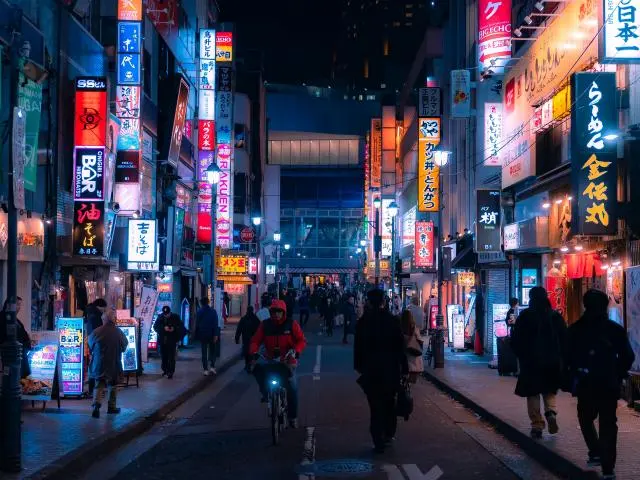
In the morning, we'll take a long guided tour-about seven hours-through this simply stunning city! Its vibrant energy and cutting-edge neighborhoods coexist with areas full of peace and tranquility.We'll make a short stop at Zojoji Temple to capture the most beautiful view of the Tokyo Tower. You'll notice hundreds upon hundreds of Jizo statues, stone-carved deities considered guardians of children, adorned with knitted hats, bibs, and pinwheels.Next, we'll head to the famous Shibuya Crossing, that we will see from the bus. It is known as the busiest intersection in the world. Then we'll visit Meiji Shrine, dedicated to the spirits of Emperor Meiji and his wife.Then we'll head to Tokyo Skytree (admission included up to Tembo Deck at 350 meters high), Japan's tallest structure, where we'll enjoy an unmatched panoramic view of the city.We'll end our visit in Asakusa, where we'll explore Sensoji Temple and the famous Nakamise Street. Afterwards, we'll return to the hotel passing by Akihabara district, the "Electric City", known as the center of Japanese manga and anime culture; and Ginza district.6:30 p.m. - We'll meet our guide in the hotel lobby and take the subway (tickets included) to the Shinjuku area. From there, we'll enjoy a walk through this lively district before heading to a local restaurant for dinner (included). We'll return to the hotel by subway, accompanied by our guide.Note: The order of the visits may vary depending on the admission time for Tokyo Skytree. In case of bad weather or other exceptional circumstances, access to Tokyo Skytree may be limited. In that case, an alternative visit to another iconic city viewpoint will be offered.
-
Tokyo, JAPAN
One of the 47 prefectures of Japan and has been the capital since 1869. The Greater Tokyo Area is the most populous metropolitan area in the world. It is the seat of the Emperor of Japan, the Japanese government and the National Diet.
Day 26:
Tokyo
Breakfast: Included|Lunch: Excluded|Dinner: Excluded
After breakfast, our journey will come to an end, leaving you with wonderful lasting memories.
-
Tokyo, JAPAN
One of the 47 prefectures of Japan and has been the capital since 1869. The Greater Tokyo Area is the most populous metropolitan area in the world. It is the seat of the Emperor of Japan, the Japanese government and the National Diet.


 9-Day Complete Korea Tour From Seoul Airport pickup
 24-Day Encantos Asiaticos
 1-Day Gyeongbokgung Palace and Bukchon Hanok Village Seoul Cultural Heritage Tour




 Facebook
 Google