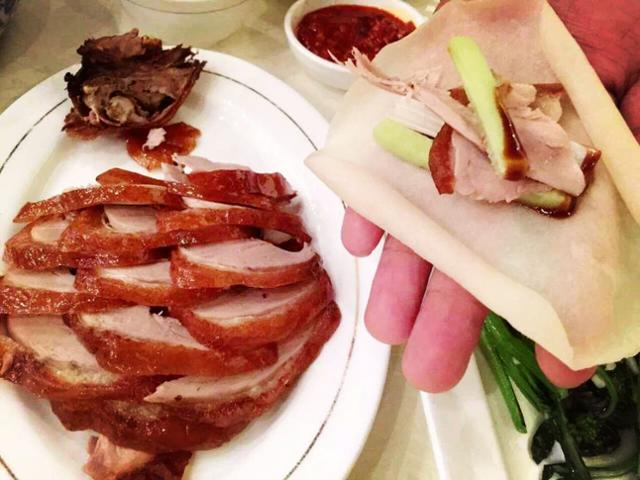
We will pick you up from your hotel at 5.30pm and make our way to the Quanjude. Quanjude is one most famous duck restaurants in Beijing, set up in the 1860's during the Qing dynasty, it has a unique taste that nobody can resist.Quanjude has got a name for itself both at home and abroad by offering traditional roasted ducks. The ducks served here are hand-made with knowledge passed down by generations of royal palace chefs. Reddish brown, the roasted ducks have a glossy silk-like skin that will attract people's appetite when they look at them as it is tender and crisp.
Quanjude keep strict standards for choosing the ducks, it uses an oven without a door. After a kind of dressing being spread all over a duck, it will be hooked up in the oven over the flame coming up directly from the burning of the fruit-tree wood and it will be ready in 40 minutes. After roasted and dried, the duck will look brightly dark red, shining with oil, crisp skin and tender meat.Not many people can resist its temptation. After the dinner, you will be dropped back off at your hotel.
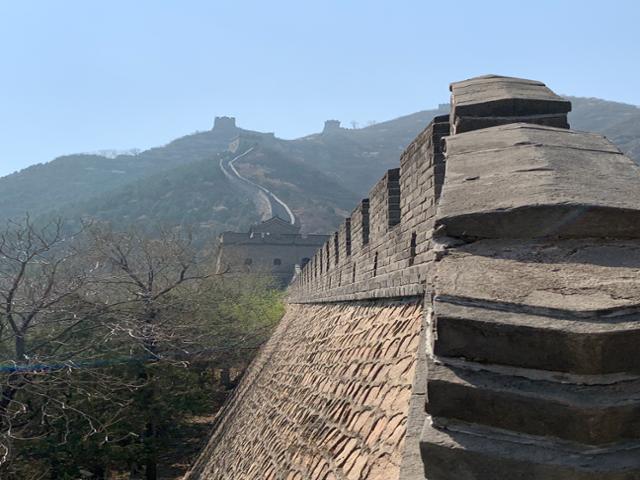
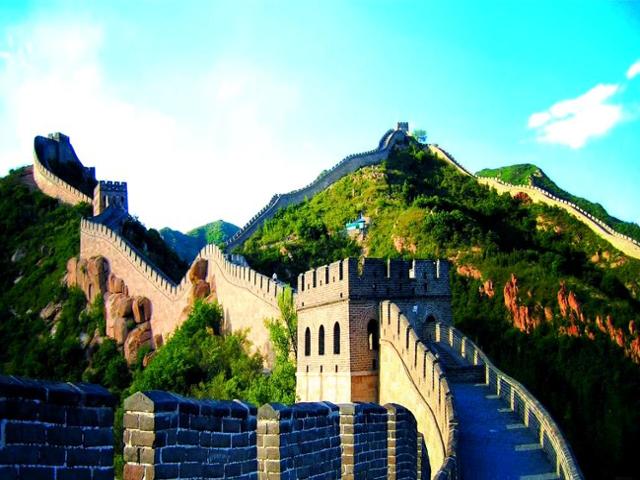
The Juyongguan Great Wall (Great Wall at Juyong Pass) located 60 kilometers (37 miles) from downtown Beijing, which is the closest section of Great Wall to Beijing.
As one of the three famous passes along the Great Wall of China, it has a history of over a thousand years, also features some interesting architectural elements beyond the wall itself.
Most notable is the Cloud Platform (Yun Tai), a squat white marble tower built in 1342 as a base for three stupas (and later a temple) that were subsequently destroyed. Visitors can still see carvings and inscriptions inside the platform's tunnel.The landform of the section is a difficult of access hence the name "Number one impregnable pass in the world".
The steps here are still steep and often uneven, it's not the most visited.
The temple of heaven was the place where the Emperor of the Ming and Qing dynasties would worship heaven and pray for good harvests.
Built by the Yongle Emperor in 1420, the Ming Dynasty builder of the Forbidden City,and then the Temple of Heaven was enlarged and rebuilt during the reigns of the Ming emperor Jiajing and the Qing emperor Qianlong.
The Temple of Heaven is a precious example of China 's ancient architectural art and the largest architectural structurefor worshipping heaven in the world.In 1988, it was opened to the public as a park, showing ancient philosophy, history and religion.
Its grand architectural style and profound cultural connotation give an insight into the practices of the ancient Eastern civilization.
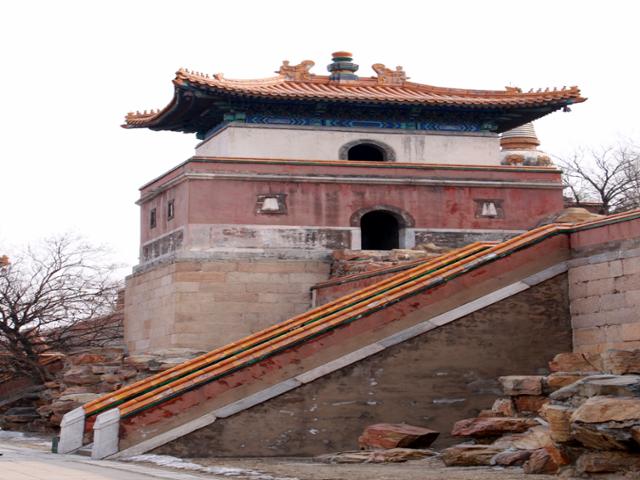
In China, the Summer Palace is the only large-scale royal garden preserved nearly intact.
The vast Summer Palace compound is centered on Kunming Lake. In summer, visitors can explore the lake on boat, and in the winter they can skate across its frozen expanse.
The highly attractive 17 Arch Bridge links the lake 's eastern shore to South Lake Island.Despite numerous wars and conflicts, it has retained about 3,000 ancient buildings and 40,000 imperial relics, enabling visitors to step back in time to witness the Qing Dynasty royal family's daily life, governance, ceremonies, and leisure.
It served as the seat of government for Empress Dowager Cixi during the last years of her life.
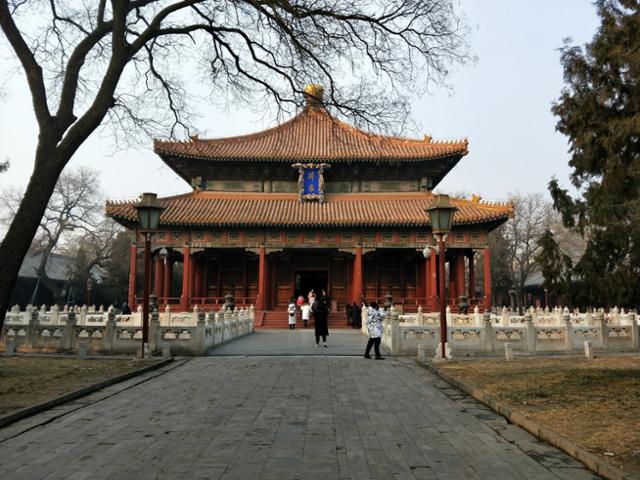
Located on Guozijian Street inside Anding Gate, the Temple of Confucius in Beijing was initially built in 1302, constructed for Confucius the greatest thinker and educationalist in ancient China, whose influence is still felt today.
It is the second largest temple constructed for Confucius, ranking only behind the Temple of Confucius in Qufu, Shandong Province. Its neighbor in the west is Beijing Guozijian translated as Imperial College or Imperial Academy, Beijing Guozijian was first established in 1306.
It served as the supreme administrative headquarters for the organization of education and the highest seat of learning during the Yuan (1271-1368), Ming (1368-1644) and Qing (1644-1911) dynasties.
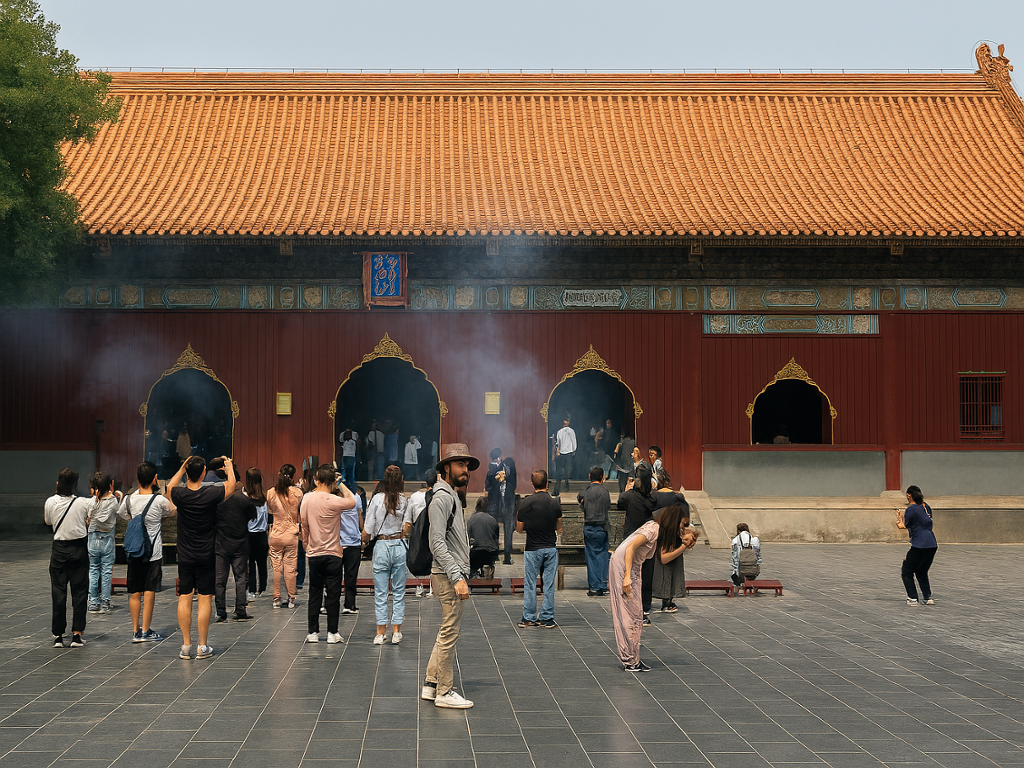
The Lama Temple (Yonghegong), also known as Harmony and Peace Palace Lamasery, Yonghe Lamasery, or Yonghe Lama Temple, one of the most important Tibetan Buddhist temples outside Tibet.
It's considered as the largest and most perfectly preserved lamasery in present day China.
Built initially in 1694 during the Qing Dynasty, this building was the residence of Emperor Yongzheng when he was just a prince. However, in 1744 the Qing Dynasty formally changed the status of the dwelling to that of a lamasery, and so it became the national centre of Lama administration.
Based on the belief that incense offerings should be made as early as possible to improve one's luck for the coming year, thousands of worshipers congregate outside the temple on the eve of Chinese New Year waiting to rush inside on the stroke of midnight.
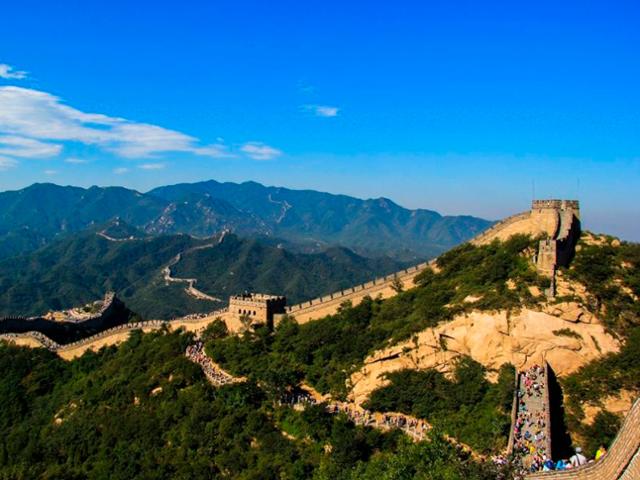
We will pick you up from your hotel at 8am and take you to the Badaling Great Wall with a local English speaking guide and driver, which is one of the most famous sections of the Great Wall noted for its deep-rooted culture, elegant sights and complete military facilities - the essence of the Great Wall.Hike the amazing and astonishing Great Wall to get a lifetime memory of being a hero. The cable car is a good choice if you want to get to the highest point and take the whole beautiful birds eye view.
We proceed to the Jade Carving Factorythen we later drive you to a beautiful local restaurant to enjoy a great Chinese lunch. After the lunch we move to Tian'anmen Square. Tiananmen Square is within the top ten largest city squares in the world. It has great cultural significance as it was the site of several important events in Chinese history.
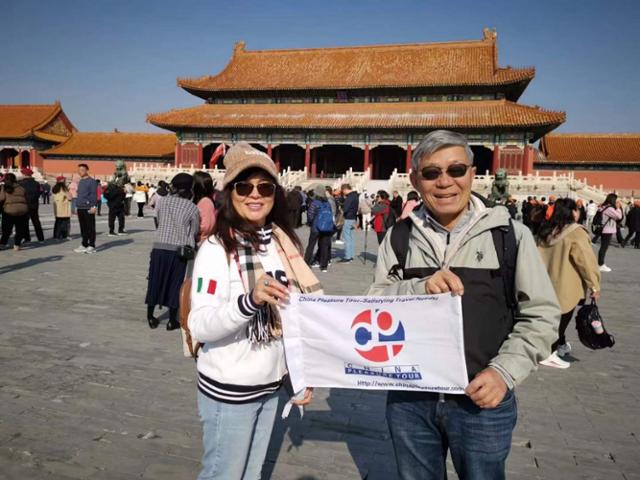
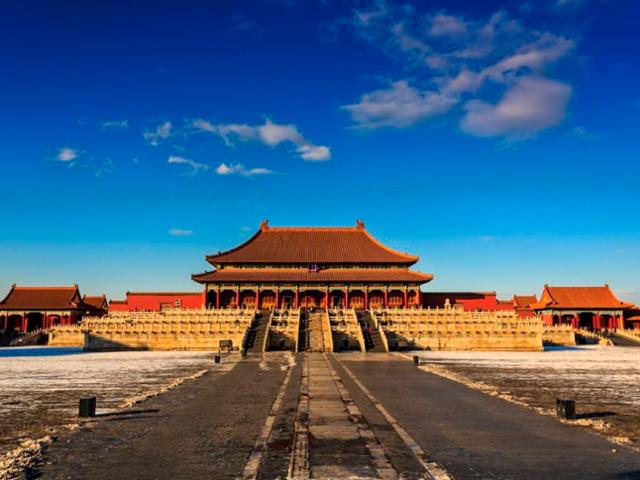
We then move on to The Forbidden City which was designed to be the centre of the ancient, walled city of Beijing. It is enclosed in a larger, walled area called the Imperial City. The Imperial City is, in turn, enclosed by the Inner City; to its south lies the Outer City.
At the end of the trip, we will drop you off back at your hotel.
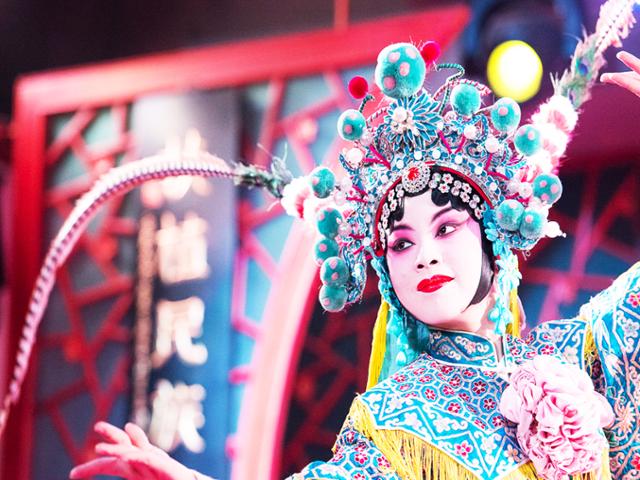
We will pick you up from your hotel at 6pm by our tour guide to the Red Theatre for the show. The drive from your hotel to the Red Theatre through the city provides you a truly memorable evening in Beijing. This show is put on the Red Theatre located on the east of Tiantan Hotel in Xing Fu Dajie, Dongcheng District. CHC has collected a group of the best Kung Fu practitioners of China and invited the best directors and designers of the country. The show is a must-see production in Beijing for tourists and Kung Fu lovers.
This is a great show. It tells a story of Chin Yu entering the monastery and making his way through life to finally becoming the Abbott. There are many demonstrations of Kung Fu and strength throughout the show. The costumes and the choreography are great. Unfortunately people are not allowed to take photos nor video it. You can however purchase a DVD of the show and after the show returned back to your hotel.
The local guide and driver will pick you up from the meeting point to the Juyongguan Great Wall, which is one of the most famous sections of the Great Wall noted for its deep-rooted culture, elegant sights and complete military facilities - the essence of the Great Wall. Hike the amazing and astonishing Great Wall to get a lifetime memory of being a hero.
Then we proceed to a beautiful local restaurant to enjoy a great Chinese lunch. After the lunch we move to Tian'anmen Square. Tiananmen Square is within the top ten largest city squares in the world. It has great cultural significance as it was the site of several important events in Chinese history.
We then move on to The Forbidden City which was designed to be the center of the ancient, walled city of Beijing. It is enclosed in a larger, walled area called the Imperial City. The Imperial City is, in turn, enclosed by the Inner City; to its south lies the Outer City.At the end of the trip, travelers' will finally be transferred back to their various hotels.
We will pick you up from your hotel at around 7am and go to the Simatai Great Wall. First we will visit Gubei Water Town. This newly built water town is located in Miyun county with a massive backdrop of the world famous Simatai Great Wall, the romantic Yuanyang Lake (Mandarin Duck ) and the ancient Simatai Village. It is a replica of Wuzhen Water town in southern China. The sightseeting area of Gubei Water Town that has been opened on a trial basis to the public which basically consists of 6 areas including Old Barracks Area, Minguo Street Area (Republic of China Street), water street area and Wonglong.
After visiting Gubei Water Town for about 1-2 hours, you will start your hike up to the Simatai Great Wall. This part of the trekking is one of the most beautiful sections of the Great Wall. This hike is focused on the east section of the Simatai Great Wall - 10 towers. Actually, there are 16 watchtowers distributed, snaking the ridge of the steep mountain. The 11th-16th towers are forbidden to hike due to their steepness and treacherousness.
For most Simatai Great Wall lovers, people prefer to hike up the Great Wall, then take the cable car down. If you don't have strong legs, you can take the cable car up to an open place close to the 5th and the 8th tower (White Cloud Tower), then climb up or climb down or again you may choose to take the cable car back to the ground after hiking up to the top. (Cable car is optional.)
You will have a home lunch at one of the local households at Simatai Village 1.5km west of Simatai Great Wall before making our way back to the hotel.
We will pick you up from your hotel at 8am and take you to the Badaling Great Wall with a local English speaking guide and driver, which is one of the most famous sections of the Great Wall noted for its deep-rooted culture, elegant sights and complete military facilities - the essence of the Great Wall. Hike the amazing and astonishing Great Wall to get a lifetime memory of being a hero. The cable car is a good choice if you want to get to the highest point and take in the whole beautiful bird's-eye view.
The Jade Carving Factory is our next destination where we learn about Jade and have the chance to shop. We later drive you to a beautiful local restaurant to enjoy a great Chinese lunch. After the lunch we move to the Ming Tombs to experience the best preserved Chinese Imperial Tombs with over 500 years of history, precisely Changling - the largest one, Emperor Yongle's Tomb.
At the end of the trip, we will drop you off back at your hotel.
The local guide and driver will pick you up from the meeting point to the Hutong.
Hutong which is a Mongolian word meaning water well. At nine meters (about 30 feet) wide, it is the name given to a lane or small street that originated during the Yuan Dynasty (1271-1368). Now they have become representatives of local culture, thus it is the first choice for people who would like to learn about the local history and culture.
Then proceed to the Lama Temple which will be the next place after the lunch. From there we move to the Beijing Zoo to see the amazing giant pandas. Beijing Zoo is comprised of 16 different exhibition areas and halls. The inside of the hall replicates the style of traditional Chinese gardens and is shaped in the pattern of a Tai Chi diagram.
We finally transfer travelers to the end point after the trip.