Discover one of the true treasures of Sri Lanka with a full-day tour of the sacred city of Kandy in the lush central highlands. This is an adventure into a world that many thought lost forever; see elephants frolicking in the water, wander through a fragrant spice garden and visit a tea estate before exploring the last ancient citadel of the Kingdom of Kandy. This tour has it all: wildlife, nature, scenery, history, culture, architecture and spirituality - the essence of Sri Lanka.
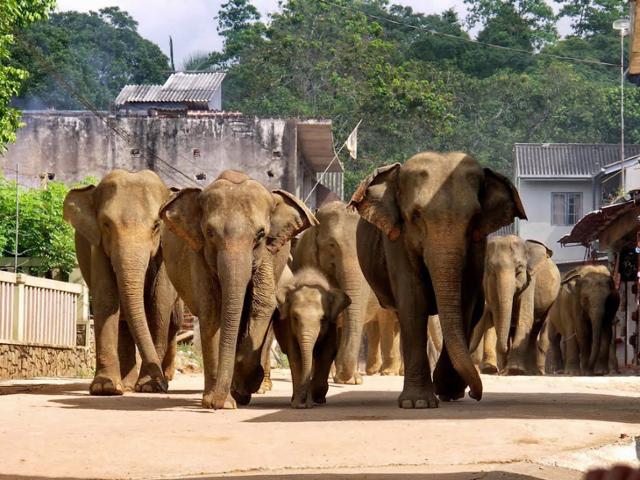
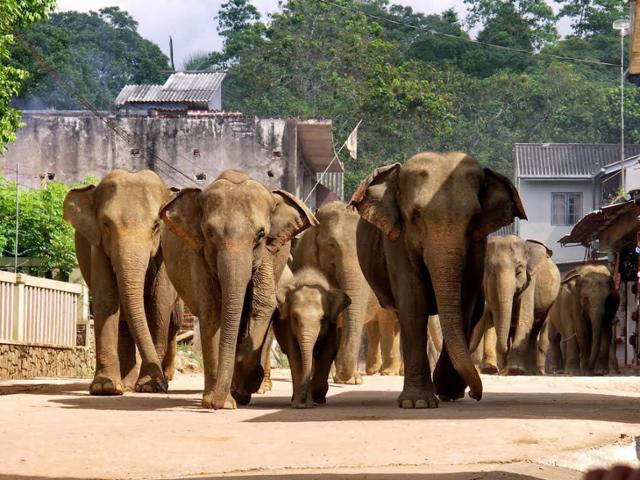
As you head inland, the climes become cooler, the landscapes more verdant and the countryside hillier. Visit an elephant orphanage, which has grown in size over the decades. When it opened there were just a handful of calves and today there are almost 100 of these gentle giants living in the refuge. After their breakfast, they are taken each morning for a bath -one of the most beautiful sights in nature.
Visit the Royal Botanical Gardens, which includes the 200-year-old National Herbarium. Admire fields of orchids, be dwarfed by gigantic trees and inhale the aromas of the thousands of varieties of flowers, plants and spices. Explore a genuine tea plantation and learn about the production process of the world's favourite leaf, which despite the fame of Ceylon tea was introduced to Sri Lanka only in 1847.
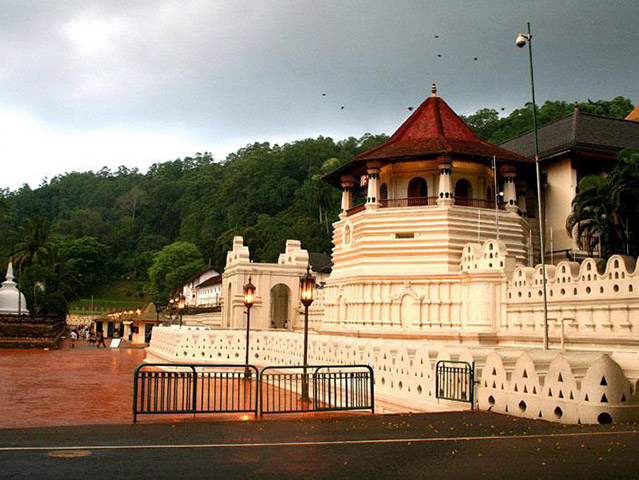
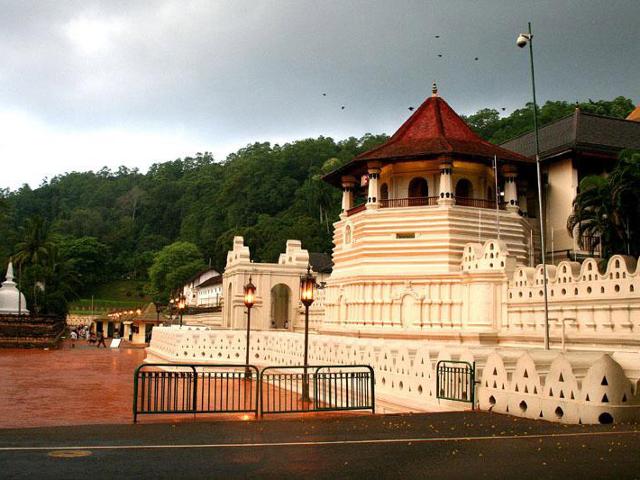
Then bow before the majesty of the Temple of the Sacred Tooth Relic, the jewel in the crown of the charming city of Kandy, which is located in a small wooded valley deep in the hills around a lake. Lunch will be in Kandy.
Kosgoda: Visit a pioneering sea turtle conservation center, where a dedicated team works to protect Sri Lanka’s endangered turtle species. Guided by a conservationist, learn about the threats facing these marine creatures, from habitat loss to pollution. Depending on the season, witness hatchlings being released, supporting vital efforts to safeguard the future of these ancient travelers. Your visit directly supports United Nations Sustainability Development Goal 14: Life Below Water.
From USD$3776¥25382Rs.360304€3240C$5243$4196¥28205Rs.400380€3601C$5826Save 10%
Kosgoda: Visit a pioneering sea turtle conservation center, where a dedicated team works to protect Sri Lanka’s endangered turtle species. Guided by a conservationist, learn about the threats facing these marine creatures, from habitat loss to pollution. Depending on the season, witness hatchlings being released, supporting vital efforts to safeguard the future of these ancient travelers. Your visit directly supports United Nations Sustainability Development Goal 14: Life Below Water.
From USD$3578¥24051Rs.341411€3070C$4968$3976¥26726Rs.379388€3412C$5521Save 10%
Say Ayubowan to Sri Lanka, South Asia’s ultimate gem! Over 11 days, you’ll safari through national parks, soak up golden beaches, wander ancient fortresses, and explore sacred temples. We’ve packed in all the must-see highlights (and thrown in a few hidden gems too!) to give you the perfect mix of adventure, culture, and chill.
Come and meet some of the friendliest and gentlest creatures in the animal kingdom with this full day visit to the world-famous Pinnawala Elephant Orphanage in central Sri Lanka. Ever since it opened four decades ago, the refuge has been at the forefront of conservation projects and there are now 17-times more animals in the shelter, where they are fed, bathed and allowed to roam freely.
As you head inland, the climes become cooler, the landscapes more verdant and the countryside hillier. Located in the heart of the Kegalle district at the foot of the central highlands, the Pinnawala Elephant Orphanage was founded in 1975 with just five calves. Over the years, the refuge has grown in size and population and nowadays there are almost 100 of these gentle giants in the centre. On top of all the elephants rescued from the rainforests, there have been dozens of births at the shelter, with the first arriving in 1984.
The central tenet of the orphanage is that the animals are able to roam freely during the day and that a herd structure is allowed to form. Here they lead normal, happy lives. They are fed their breakfasts each morning - milk for the calves, leaves (mainly coconut) for the adults - and then taken to the River Maha Oya for a two-hour bath. Watch the elephants frolicking in water; it is one of the most beautiful sights in nature. Enjoy a traditional lunch in Pinnawala before returning back to Mount Lavinia.
Discover one of the true treasures of Sri Lanka with a full day tour to the sacred city of Kandy in the lush central highlands. This is an adventure into a world that many thought lost forever; see elephants frolicking in water, wander through a fragrant spice garden and visit a tea estate before exploring the last ancient citadel of the Kingdom of Kandy. This tour has it all: wildlife, nature, scenery, history, culture, architecture and spirituality - the essence of Sri Lanka.
As you head inland, the climes become cooler, the landscapes more verdant and the countryside hillier. Visit an elephant orphanage, which has grown in size over the decades. When it opened there were just a handful of calves and today there are almost 100 of these gentle giants living in the refuge. After their breakfast, they are taken each morning for a bath -one of the most beautiful sights in nature.
Visit the Royal Botanical Gardens, which includes the 200-year-old National Herbarium. Admire fields of orchids, be dwarfed by gigantic trees and inhale the aromas of the thousands of varieties of flowers, plants and spices. Explore a genuine tea plantation and learn about the production process of the world's favourite leaf, which despite the fame of Ceylon tea was introduced to Sri Lanka only in 1847.
Then bow before the majesty of the Temple of the Sacred Tooth Relic, the jewel in the crown of the charming city of Kandy, which is located in a small wooded valley deep in the hills around a lake. Lunch will be in Kandy.
This vibrant port city was known to ancient Greek and Roman traders, and was colonised by the Portuguese, the Dutch and the British, leaving it with an architectural legacy that has made it one of the most attractive cities in south Asia. Discover the top sights and attractions such as the Gangaramaya Temple and the famous Pettah market.
Vibrant, bustling and colourful Colombo is a city that captures the heart of all visitors. Its mix of cultures, religions and languages merely adds to its aura and mystique. See how these combine with historic landmarks such as the Pettah Dutch Bell Tower at the Kaiman Gate.
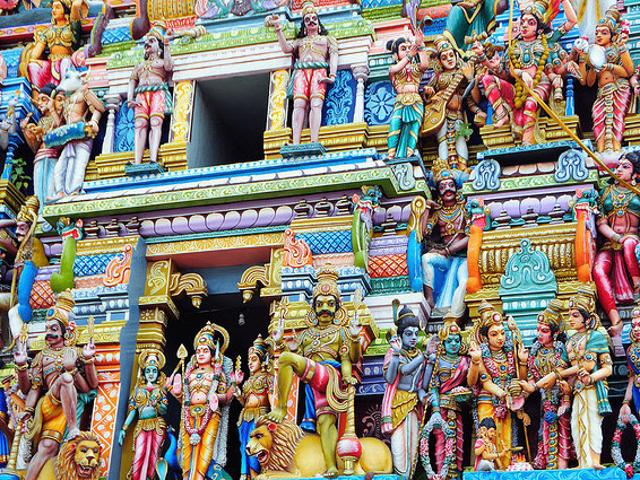
Head to the historic district of Slave Island, where Portuguese and Dutch colonists held African captives, and admire the famous Hindu temple dedicated to the Lord Ganesh, with its multicoloured gopuram packed with figures. See the stunning Gangaramaya Buddhist temple, which, like the city itself, blends old and new. Admire the banks of Buddhas and stupas, all perfectly in line.
Other places of interest are some of the city's residential areas, where you find stately homes of the affluent, and the Bandaranaike Memorial International Conference Hall, a gift to Sri Lanka from the People's Republic of China. There is also the option to visit the House of Fashion and the Premadasa Jewellery and Arts Centre, and the National Museum.
Ever since it opened four decades ago, the refuge has been at the forefront of conservation projects and there are now 17-times more animals in the shelter, where they are fed, bathed and allowed to roam freely.
As you head inland, the climes become cooler, the landscapes more verdant and the countryside hillier. Located in the heart of the Kegalle district at the foot of the central highlands, the Pinnawala Elephant Orphanage was founded in 1975 with just five calves. Over the years, the refuge has grown in size and population and nowadays there are almost 100 of these gentle giants in the centre. On top of all the elephants rescued from the rainforests, there have been dozens of births at the shelter, with the first arriving in 1984.
The central tenet of the orphanage is that the animals are able to roam freely during the day and that a herd structure is allowed to form. Here they lead normal, happy lives. They are fed their breakfasts each morning - milk for the calves, leaves (mainly coconut) for the adults - and then taken to the River Maha Oya for a two-hour bath. Watch the elephants frolicking in water; it is one of the most beautiful sights in nature. Enjoy a traditional lunch in Pinnawala before returning back to Hikkaduwa.