
17-Day Cusco, Huayllabamba, Machupicchu, Ecuador and Isabela Island Tour from Lima, ends in Guayaquil
From
US$5950 ¥39740 €5300 C$8368 Rs.562698
3% Group Discount
New customer offer
Save up to $100 on your first order
Sign up to get your coupon
Price a Trip, Book Now
room-based
Room, adult, and child counts are sent to the cart for final pricing, including any room-based supplement.
Age 0-11
Tour Overview
Highlights
Visit Cusco, Inca Trail, Isabela Island, Machu Picchu, Santa Cruz Island, Lima, Aguas Calientes, Guayaquil, Sacred Valley, Chinchero, Ollantaytambo.
Dates & Prices
Price in USD (per person, based on double occupancy)
Limited Offer
3% Group Discount: 1. Receive 3% off when you purchase 3+ rooms on the same tour (single order only). 2. Receive 3% off when you book 3+ multi-day tours with minimum order total of $500 at once. Not valid in conjunction with any other discounts or pricing offers.
Itinerary
Today guests will be transferred to the hotel after arrival in Lima International airport. Then we will enjoy the free time to rest and prepare for the trip.

Lima, Peru
Lima, the capital city of Peru, was founded by conquistador Francisco Pizarro in 1535. This city's historic places include the National University of San Marcos, which was established in 1551 and is the oldest university in the Americas.
After breakfast, we will be transferred to Lima airport for flight to Cuzco. Upon arrival we will transfer to the hotel and enjoy leisure time. We could walk to the San Blass Street within 2 minutes distance from hotel. It has an attractive square and the oldest parish church in Cuzco.
Afterwards we will go for a brief walking though some of the finest Inca constructions that remain in the city. At east of the Plaza de Armas, Calle Loreto is one of the best-known Inca thoroughfares. At northeast of the Plaza de Armas off Calle Palacio is Hatunrumiyoc. Across the Archbishop's Palace on the right side is the famous 12 Angled Stone. From Hatunrumiyoc, make your first right down another pedestrian alleyway, Inca Roca; Then we will also visit Siete Culebras, the alleyway connecting Plaza Nazarenas to Choquechaca. After that we will visit other streets such as Herrajes, Pasaje Arequipa, and Santa Catalina Angosta.
In the afternoon, we go on a sightseeing of Cuzco, visiting the Main Square, the Cathedral and the Temple of the Sun or Korikancha. Then we will drive out of the city to visit the Inca sites of Kenko, Tambomachay, Puca Pucara and the Fortress of Sacsayhuaman. At around 8:00pm we would enjoy dinner with a folklore show while appreciating the beautiful sounds by Andean instruments.
Afterwards we will go for a brief walking though some of the finest Inca constructions that remain in the city. At east of the Plaza de Armas, Calle Loreto is one of the best-known Inca thoroughfares. At northeast of the Plaza de Armas off Calle Palacio is Hatunrumiyoc. Across the Archbishop's Palace on the right side is the famous 12 Angled Stone. From Hatunrumiyoc, make your first right down another pedestrian alleyway, Inca Roca; Then we will also visit Siete Culebras, the alleyway connecting Plaza Nazarenas to Choquechaca. After that we will visit other streets such as Herrajes, Pasaje Arequipa, and Santa Catalina Angosta.
In the afternoon, we go on a sightseeing of Cuzco, visiting the Main Square, the Cathedral and the Temple of the Sun or Korikancha. Then we will drive out of the city to visit the Inca sites of Kenko, Tambomachay, Puca Pucara and the Fortress of Sacsayhuaman. At around 8:00pm we would enjoy dinner with a folklore show while appreciating the beautiful sounds by Andean instruments.

Cusco, Peru
This city once served as the capital of the Inca Empire. Many of its most popular sights are the ruins of this once-great people, such as the famous "lost city" of Machu Picchu. Cusco itself also has many sights.
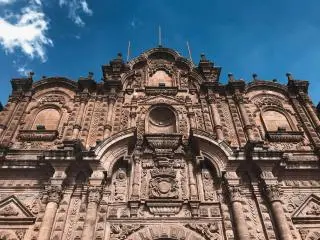
Cusco Cathedral
This cathedral, also called the Basilica of the Assumption of the Virgin, was completed in 1654, and is located in the Plaza de Armas. It contains many historically significant objects and relics.
San Blas
This is one of the barrios in the city of Cuzco, famous for its architecture that dates back to the era of Spanish colonialism in Peru and the narrow, cobblestone streets.
Plaza de Armas
Built on the remains of one the Incas' most important gathering spots, this square keeps the spirit of a fallen empire alive.
Twelve Angled Stone
Twelve Angled Stone is about halfway down the street Hatunrumivoc,which is famous for it's Inca walls where huge stones are precisely carved to fit together without mud or concrete.

Qurikancha
The site where these impressive ruins stand was once the most important temple in the entirety of the Incan Empire. Reports from Spanish explorers of the time describe the temple's ipulence in great detail.
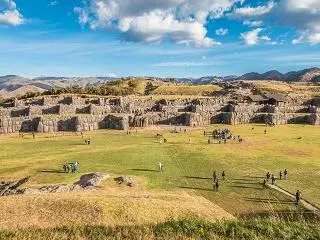
Sacsayhuaman
Sacsayhuaman is strategically built on a hill overlooking Cuzco and famous for its enormous carved stones, some of them standing over 9m/30ft high and weighing over 350 tons.
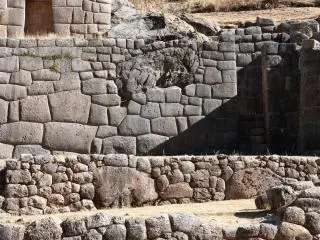
Tambomachay
One of the many archaeological sites located in and around the city of Cuzco, the exact purpose of this facility is still uncertain. It is comprised of a series of aqueducts, canals, and waterfalls that cut through terraced rocks.
A fantastic day tour ( with trekking ) to the so - called 7 Color Mountain, leaving from Cusco. Located in southern Peru, in the Cusco region, this route will take you through stunning landscapes with glaciers, snowcapped mountains and crystal clear rivers and lakes. Pass by local villages of Quechua descendants and explore the breathtaking surrounding nature. You will be picked up from your accommodation at around 3.00am and start making your way to Arco ( on the route to Puno ) eventually getting to the Checacupe district ( 2 hour journey ). Then we will continue to Pitumarca and a number of small villages till we reach the Hanchipata - Quesuno community ( another 1.5 hours ). From here we start our hike. The trek lasts for about 3 hours until we get to the stunning landscape of Vinicunca ( Rainbow Mountains ). Here we will have about one hour to relax and take amazing pictures of this natural wonder. We then hike back to the starting point of the trek, and from there return to Cusco ( arriving at approximately 19.00 ).
Cusco, Peru
This city once served as the capital of the Inca Empire. Many of its most popular sights are the ruins of this once-great people, such as the famous "lost city" of Machu Picchu. Cusco itself also has many sights.
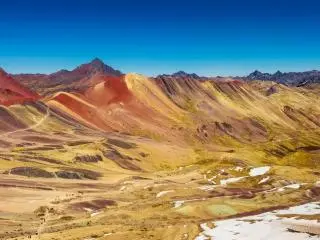
Vinicunca
Located in the Andes in Cuzco, Peru, with an altitude of more than 5000 meters. Because the top of the mountain has layers of different dreamlike candy colors, it attracts a large number of tourists.
Early morning excursion to the Urubamba Valley, the Sacred Valley of the Incas. on our way 30 mins from Cusco we can stop in Chincheros Market. Enjoy the unique atmosphere during a typical lunch. In the afternoon, passing through the Towns of Calca and Urubamba, we visit the Inca Fortress and Citadel of Ollantaytambo. Then we will stop for 5 mins to see a Hanging Hotel. At the end we will visit Ollantaytambo Ruins.
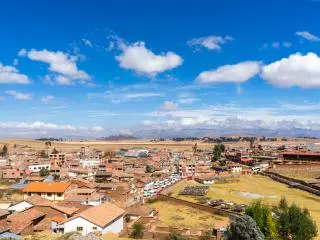
Chinchero, Peru
The small rustic town of Chinchero lies off the main road between Cusco and Urubamba. It sits at 3762m above sea level. It is towered over by the Vilcabamba range and the snowcapped peak of Salcantay. There is a great display of Inca architecture, ruins and megalithic carved rocks. Chinchero is home to the famous Peruvian weaving and also has a colouful market. Chinchero is also believed to be the birthplace of the rainbow.
Chincheros Sunday Market
The Chincheros Sunday Market is the heart of the local community, renowned for its authentic handmade textiles and vibrant produce trade. Visitors can witness traditional Inca bartering customs and purchase exquisite alpaca wool goods directly from the weavers.
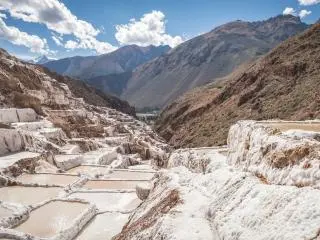
Sacred Valley, Peru
The heart of the Inca Empire, the Sacred Valley of the Incas is the region of Peru surrounding the city of Cusco. The valley is full of the ruins of this once-powerful empire, such as Ollantaytambo, Pisac and Tipon.
Skylodge Adventure Suites
The Skylodge Adventure Suites in Peru is the ultimate adventure lodging. Three transparent pods hang from a Sacred Valley cliff. Accessed via climbing or zipline, it offers 360-degree views of the stars and valley.
Ollantaytambo Ruins
Ollantaytambo was a very important agricultural, military, and religious center during the time of the Inca Empire. It is considered a masterpiece of Inca architecture. The main section includes 17 imposing terraces leading up to a fortress. At the top there is an impressive 10-niche wall and Sun Gate, as well as a monolithic Sun Temple consisting of six enormous pink granite boulders.
The Citadel of Ollantaytambo was a grand Inca administrative, religious, and residential center. Its meticulous urban planning, vast agricultural terraces, and sacred Temple of the Sun ruins showcase the Inca's seamless integration of engineering, agriculture, and ceremony, known as a "living Inca town."
The Inca Fortress of Ollantaytambo is a majestic military stronghold and temple complex in the Sacred Valley. Its enormous stepped terraces, formidable megalithic defense walls, and strategic hilltop position make it one of the Inca Empire's finest examples of defensive architecture.
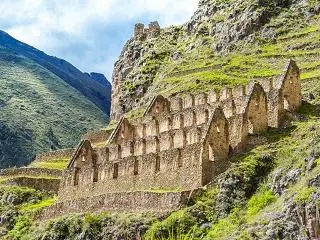
Ollantaytambo, Peru
This small town north of Cuzco is built around an archaeological site. At the height off the Inca Empire, Ollantaytambo was the royal estate of Emperor Pachacuti. It is one of the starting points of the Inca Trail.
In the morning, our guide will pick you up from your hotel to transfer you by bus to the km 82 where you will arrive at approx. 10:30 am. Here you will meet the team that will join you during the trek, such as the porters, camp assistants and cooks. You will begin the walk, the first day is quite easy and during the first kilometres you will have a beautiful view of the snow peaked Veronica Mountain, walking alongside the Vilcanota River until you arrive at the Archaeological Complex of Patallacta, where you will have lunch and gain energy to reach Huayllabamba, where the first camp is set up.
Sacred Valley, Peru
The heart of the Inca Empire, the Sacred Valley of the Incas is the region of Peru surrounding the city of Cusco. The valley is full of the ruins of this once-powerful empire, such as Ollantaytambo, Pisac and Tipon.
Km 82
"Km 82" is the classic starting point of the Inca Trail in Peru's Sacred Valley. From here, trekkers begin a adventure through Andean mountains and cloud forests towards Machu Picchu.
Huayllabamba
Nestled in the Sacred Valley, this ancient Inca village is famed for its terraced fields and traditional architecture. As a key stop on the Machu Picchu trek, it preserves authentic Andean culture and breathtaking landscapes.
After breakfast, we will start the hardest part of the tour with a steep ascent, followed by 3 hours walking until reaching the Warmiwanusca up to 4.2km approximately. We will not only enjoy incredible panoramic views from here but also have the satisfaction to have reached the top. After lunch in Vizcachayoc, we will descend towards Pacaymayo for dinner and camp.
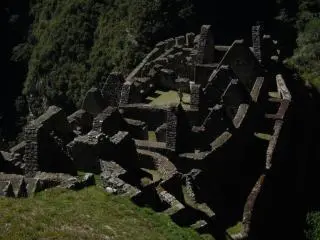
Inca Trail, Peru
The Inca Trail is the famous pathway that cuts through diverse landscapes of the Andean wilderness until it reaches the famed ruins of Machu Picchu. The trail passes the sites of several Inca ruins.
Warminwanusqa
This mountain pass along the Inca Trail in Peru is named "Dead Woman's Pass" in the Quechua language. This foreboding name comes from the steep ascent one must undertake to pass through the area.
Pacaymayo Valley Campsite
This is one of the more active campsites along the Inca Trail through the Andean wilderness. It is a relaxing place to stop for the evening along your trek.
After breakfast the ascent will begin until to around 3.9 km where we will visit to the archaeological complex Runkurakay and the Inca Citadel of Sayacmarca. Then we will have a lunch in Chaqquicocha. After that we will continue walking towards Phuya Patamarca. After a brief rest, we will go on walking until arriving at Winay Huayna for a visit to this spectacularly located Archaeological Complex. Then we will have a dinner and overnight in the camp.
Note: above camp sites are the regular and subject to the disposition levied by the Machu Picchu Management Unit without prior notice, meantime tour itinerary will not be affected.
Note: above camp sites are the regular and subject to the disposition levied by the Machu Picchu Management Unit without prior notice, meantime tour itinerary will not be affected.
Inca Trail, Peru
The Inca Trail is the famous pathway that cuts through diverse landscapes of the Andean wilderness until it reaches the famed ruins of Machu Picchu. The trail passes the sites of several Inca ruins.
Winay Wayna
The name of these ruins translate to English as "forever young," a beautiful moniker for a beautiful set of terraced fortifications built into a steep cliff-face, showcasing the impressive architectural skills of the Inca.
Sayaqmarka
This archaeological site along the Inca Trail in the heart of the Andes mountains sits on a cliff high above the valley below. It is one of the last major landmarks on the trail before Machu Picchu.
After breakfast, we start walking for 1 hour by the forest until the Inti Punku, known as the front door to Machu Picchu. Then we will climb 6km to Huayna Picchu. After that we go down to Machu Picchu ruins and visit the Main Square, the Circular Tower, the Sacred Solar Clock, the Royal Quarters and etc. Afterwards we could enjoy our free time to stroll around the Citadel and then meet the rest of the group to be transferred by bus to Aguas Calientes for lunch. In the afternoon we will return to Ollantaytambo by train, then by bus to Cusco. Upon arrival we will be transferred to the hotel.
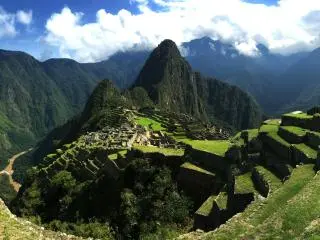
Machu Picchu, Peru
The famous citadel of the Inca sits atop a scraggy mountain peak overlooking the valley that was sacred to those people. These ruins feature many temples and the famous terraced-gardens the Inca developed for agriculture in the Andes.
Inti Punku
Translated to English, the name means "Sun Door," and this gateway stands as the entrance to the ruins of Machu Picchu. Many visitors wake up before dawn so they can view the sunrise from this point.
Huayna Picchu
Accessible only via a narrow mountain path from Machu Picchu, the peak of Huayna Picchu rises above its counterpart below. Home to many of the temples of the ancient city, it provides one of the best views in Peru.
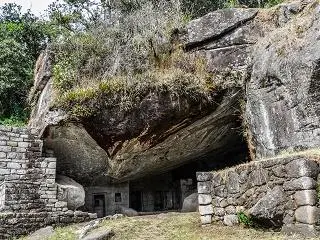
Temple of the Moon
The Temple of the Moon is an Incan ceremonial temple on Huayna Picchu near Machu Picchu, in Peru. The site is made up of stone masonry and an open-face, shallow cave. The Temple dates back 1500 years and was rediscovered in 1936.
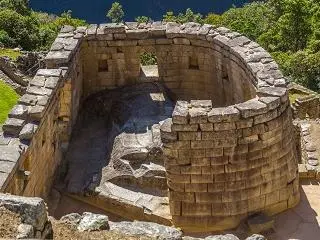
Temple of the Sun
The Temple of the Sun is a building in Machu Picchu that one stood as the tallest building in the city, to mark its importance for the Inca. Sacred religious rituals and astronomical studies were held within the building.
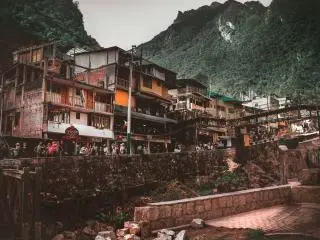
Aguas Calientes, Peru
This town sits 20 minutes down the mountain from Machu Picchu. Its name, "hot waters" in English, derives from the presence of numerous thermal springs in the area that make thisvillage a great place to relax after a hike.
Machu Picchu Site Museum
The Machupicchu Museum (Manuel Chavez Ballon) houses hundreds of Inca artifacts excavated from the citadel. It vividly illustrates the history, construction, and cultural significance through models and multimedia displays.
Orchid Garden
The Orchid Garden, located next to the Site Museum, is a small sanctuary of Andean forest biodiversity. It showcases hundreds of wild orchid species, offering a peaceful prelude to the Inca Trail experience.
In the morning we will transfer to Cuzco Airport for your flight to Lima. Upon arrival transfer to the hotel. Then we will go for a city sightseeing tour in Lima. The tour includes Lima's Historical Centre, passing by Plaza San Martin, the Main Plaza, the Government Palace, the City Hall, the Cathedral and its Religious Art Museum, the Church of Santo Domingo, with the tombs of Santa Rosa and San Martin de Porras, and Lima's Colonial Balconies. After that, we will visit the Convent and Church of San Francisco. Then we will visit the Basilica of 21 altars, Convent of Cloisters, Capitulary and Clementine Rooms, Chorus and Library of the Monks, the Sacristy with paintings of Surbaran and Ribera. We will also visit El Olivar Park with olive trees, the Central Park of Miraflores and Larcomar, a privileged site to enjoy an amazing view of the Pacific Ocean.
Lima, Peru
Lima, the capital city of Peru, was founded by conquistador Francisco Pizarro in 1535. This city's historic places include the National University of San Marcos, which was established in 1551 and is the oldest university in the Americas.
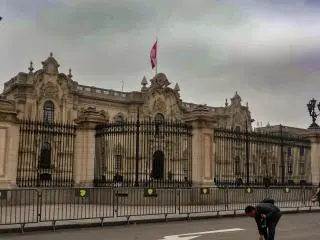
Government Palace
The Government Palace, located on the north side of the Plaza Mayor in Peru's capital city Lima. The palace was built in 1535 and is a stately government building with a set of ornamental guards. It features a large wrought-iron fence that surrounds the building and lines one side of the Plaza Mayor behind the Rimac River.

Monastery of San Francisco
Saint Francis Monastery located in Lima, Peru. The church and convent are part of the Historic Centre of Lima, which was added to the UNESCO World Heritage List in 1991. Aside from a church and monastery it also contains a library and catacombs.

Plaza de Armas
Also Plaza Mayor, located in the Historic Centre of Lima, it is surrounded by the Government Palace, Cathedral of Lima, Archbishop's Palace of Lima, the Municipal Palace, and the Palace of the Union.
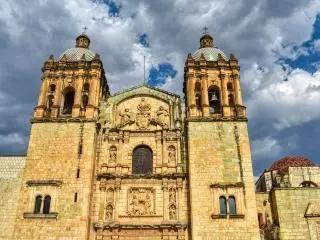
Iglesia de Santo Domingo
One of Limaâs most historic religious sites, the Iglesia de Santo Domingo and its expansive convent were originally completed in the 16th century, this impressive pink church has been rebuilt and remodeled at various points since. It is an example of New Spanish Baroque architecture.
El Olivar Park
El Olivar is a historic olive grove in the heart of Lima, dating back to the 15th century. With over 1,500 olive trees, it's a serene urban oasis perfect for walks and birdwatching.
Today we will transfer to Lima airport for flight to Tumbes border between Peru and Ecuador. Upon arrival we will transfer to Guayaquil in private car and guide. Then we will be transferred to the hotel.
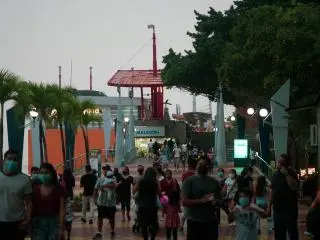
Guayaquil, Ecuador
Guayaquil is a port city of Ecuador as well as a popular tourist destination for people who want to experience the South American vibe. Tourists can explore the colorful architectures, urban parks, the delicious food, and great music here.
Upon arrival in Baltra Airport we will transfer to Santa Cruz and then taken to the hotel by your tour guide. We will visit the Rancho Primicias in the island's highlands where we will be able to see giant turtles in their habitat.
Then we will go on to Lava Tunnels. After that we will come to the Los Gemelos. We could find the famous vermillion flycatcher, Charles Darwin finches, and short eared owls.
Guayaquil, Ecuador
Guayaquil is a port city of Ecuador as well as a popular tourist destination for people who want to experience the South American vibe. Tourists can explore the colorful architectures, urban parks, the delicious food, and great music here.
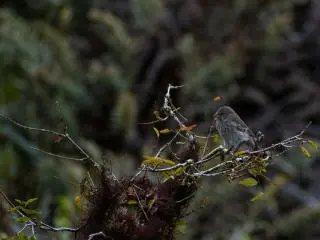
Santa Cruz Island, Ecuador
The second largest of the Galapagos Island chain in the pacific Ocean, Santa Cruz is home to the settlement of Puerto Ayora, the most populous town on the islands. The island itself is a dormant volcano.
Rancho Primicias
Rancho Primicias on Santa Cruz Island is a renowned spot to encounter giant tortoises. Visitors can observe and feed these gentle Galápagos giants in their natural habitat.
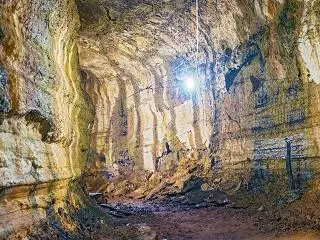
Lava Tunnels
Lava Tunnels,the largest lava tubes in the Galapagos are on Santa Cruz Island. It is a gigantic lava tunnel that is over 2000 meters long on the Island that many tourist come to visit and walk through.
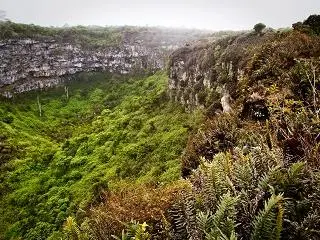
Los Gemelos
Los Gemelos are located in the highlands of Santa Cruz Island. They are not actual craters caused by impact, but are sink holes that were created when the volcanic roof of empty magma chambers collapsed from tectonic shifts and erosion over time.
After breakfast we will hike through a forest of enormous cacti and over rugged lava rock formations to the swimming hole in the Galapagos Islands. Las Grietas is a popular swimming destination for locals and visitors alike.
After Lunch we will walk to Tortuga Bay, which is located on the Santa Cruz Island. Tortuga Bay has a gigantic, perfectly preserved beach, that is forbidden to swimmers. There is a separate cove where we can swim and view white tip reef sharks swimming in groups or tiger sharks.
Santa Cruz Island, Ecuador
The second largest of the Galapagos Island chain in the pacific Ocean, Santa Cruz is home to the settlement of Puerto Ayora, the most populous town on the islands. The island itself is a dormant volcano.
Las Grietas
Las Grietas is a dramatic volcanic fissure on Santa Cruz Island filled with crystal-clear water. It's a superb spot for swimming and snorkeling to explore the unique underwater scenery.
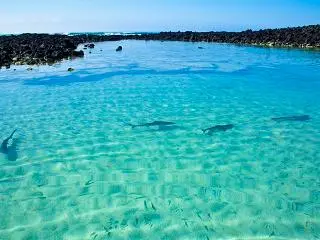
Tortuga Bay
Tortuga Bay is located on the Santa Cruz Island, which has a gigantic, perfectly preserved beach that is forbidden to swimmers and is preserved for the wildlife where many marine iguanas, galapagos crabs and birds are seen dotted along the volcanic rocks. There is a separate cove where tourists can swim where it is common to view white tip reef sharks swimming in groups and on occasion tiger sharks.
In the morning we will transfer to the Pier to catch the speed boat to Isabela Island. After arrival in Isabela we will transfer to the hotel after check in. We will walk around to Flamingos Lagoon that serves as one of the primary breeding grounds for Flamingos.
In the afternoon we take our ocean kayaks to the pier of Isabela, a set of small islets within Isabela Bay.The islets are home to the Galapagos penguin where we will also see sharks, marine turtles, sea lions, blue footed bobies and much more.
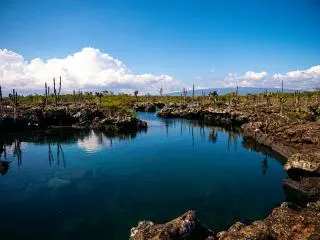
Isabela Island, Ecuador
This island is the largest of those in the Galapagos chain off the coast of Ecuador. Because of the rich animal life, both on land and sea, Charles Darwin reasearched his theory of evolution here.
Flamingos Lagoon
The Flamingos Lagoon on Isabela Island is a pink spectacle in the Galapagos. Visitors can observe elegant wild flamingos against a unique volcanic landscape.
After breakfast we will go to the pier for a 45 minute fibra ride to a place where Lava flow impacted with the oceans waves to form the stunning tubes and bridges of Los Tunnels. A series of lava flows have produced a number of arches and tunnels both under and above water, where we could find a number of animal species. After that we will continue to the Wall of Tears.
Isabela Island, Ecuador
This island is the largest of those in the Galapagos chain off the coast of Ecuador. Because of the rich animal life, both on land and sea, Charles Darwin reasearched his theory of evolution here.
Los Tunneles
Los Tunneles, off Isabela Island, features unique lava arches and underwater tunnels. This famous snorkeling site is known for sea turtles, sharks, and tropical fish.
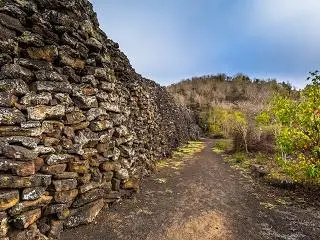
Wall of Tears
The Wall of Tears is a stark stone wall on Isabela Island, built by prisoners under harsh conditions. It stands as a historical testament to colonial punishment and is now a hiking destination.
Early morning around 7:00am we will go to Sierra Negra Volcano. On the Sierra Negra Volcano we will hike to the rim of the six miles wide crater and then trek across an alien landscape of lava fields and fumaroles. We will have the opportunity to explore thermal vents and other fascinating geologic features before stopping for a snack near Volcan Chico. We could enjoy the vistas among the most breathtaking in Isabela from this spot and on clear afternoons afford views of the northern volcanoes on Isabela and Fernandina. Then we will have a savory hot lunch at Campo Duro. Afterwards we could enjoy our own time in the rest time.
Isabela Island, Ecuador
This island is the largest of those in the Galapagos chain off the coast of Ecuador. Because of the rich animal life, both on land and sea, Charles Darwin reasearched his theory of evolution here.
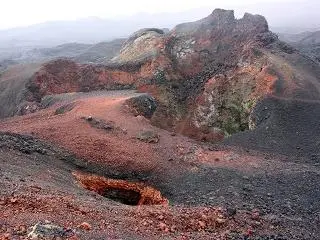
Sierra Negra Volcano
Sierra Negra is a large shield volcano at the southeastern end of Isabela Island in the Galapagos that rises to an altitude of 1124m. It is one of the most active of the Galapagos volcanoes with the most recent historic eruption in June 2018.
Volcan Chico
Volcan Chico on Isabela Island offers a volcanic wonder with moon-like landscapes. This stunning hike features fumaroles and breathtaking views of the surrounding area.
Campo Duro
Campo Duro is an ecological farm in the highlands of Isabela Island. Visitors can observe and feed giant tortoises, experiencing rural life and local conservation efforts.
Today we could enjoy a free day or fishing tour. In the early morning we will be on the way to the eastern side of the Galapagos which is known as one of the best fishing areas in the archipelago, you can expect to catch Striped, Blue and Black marlin as well as much bill - fish. Then we will spend the night in the hotel of this town.
Isabela Island, Ecuador
This island is the largest of those in the Galapagos chain off the coast of Ecuador. Because of the rich animal life, both on land and sea, Charles Darwin reasearched his theory of evolution here.
After Breakfast in the morning we will transfer to Isabela Airport for the flights to Baltra and go on to Guayaquil and return back home.
Includes & Excludes
Price Includes
Price Excludes
Policies
Room upgrade: listed price are the Hostal Room price for the backpackers. If you want to upgrade the type of room from Hostal to 3-star(Tourist Class) or 4-star(First Class) or 5-star(Luxury Class) Hotel Room, surcharge is needed. Please note that each 3-star(Tourist Class) or 4-star(First Class) or 5-star(Luxury Class) Hotel Room can only accommodate up to 2 guests of any age.
Your ticket(s) will be confirmed at the time of booking. Please allow up to 8 hours to receive the confirmation. Your booking will be processed as soon as possible.
Complete operator information, including local telephone numbers at your destination, is included on your e-ticket. You must print the e-tickets and take them along on your trip; they are your proof of purchase.
PLEASE READ CAREFULLY
The purchase of any travel services represents your acceptance Terms & Conditions set out herein. Please ensure that you read carefully and understand these Terms & Conditions prior to booking.
The purchase of any travel services represents your acceptance Terms & Conditions set out herein. Please ensure that you read carefully and understand these Terms & Conditions prior to booking.
Booking changes
A fee may be charged for any revision or alteration made to a reservation after the booking is confirmed. Name changes or corrections may be treated as a cancellation and cancellation fees will apply. A change of tour date or tour itinerary may be treated as a cancellation, and normal cancellation fees will apply. Please be noted that we do not allow departure change 48 hours before departure.
A fee may be charged for any revision or alteration made to a reservation after the booking is confirmed. Name changes or corrections may be treated as a cancellation and cancellation fees will apply. A change of tour date or tour itinerary may be treated as a cancellation, and normal cancellation fees will apply. Please be noted that we do not allow departure change 48 hours before departure.
Cancellations and Cancellation Fees
Regardless of reason, cancellations result in costly charges from our travel and hotel providers covering penalties and fees incurred by canceling confirmed and pending bookings. Therefore, cancellation penalties and or fees will apply. Time of cancellation will be determined when notice is received and confirmed by our office. Notice of cancellation must be made directly to TakeTours by email or through web mail at Contact Us .
Regardless of reason, cancellations result in costly charges from our travel and hotel providers covering penalties and fees incurred by canceling confirmed and pending bookings. Therefore, cancellation penalties and or fees will apply. Time of cancellation will be determined when notice is received and confirmed by our office. Notice of cancellation must be made directly to TakeTours by email or through web mail at Contact Us .
Cancellation penalties per person
(Notification day and departure day are not counted)
15 days or more prior to departure - Full Refund.
Within 14 days prior to departure - 100% of total purchase amount.
Day of departure or no show - 100% per person.
Unused features are non-refundable. No shows forfeit entire payment.
Trips require a minimum number of participants to avoid cancellation. We reserve the right to cancel a schedule trip to fully refund affected customers although tour companies will make every efforts to maintain the normal operation.
The refund amount will be credited directly to your TakeTours wallet as credits for future use. Or the refund can also be forwarded directly to your credit card with a 6% handling fee.
(Notification day and departure day are not counted)
15 days or more prior to departure - Full Refund.
Within 14 days prior to departure - 100% of total purchase amount.
Day of departure or no show - 100% per person.
Unused features are non-refundable. No shows forfeit entire payment.
Trips require a minimum number of participants to avoid cancellation. We reserve the right to cancel a schedule trip to fully refund affected customers although tour companies will make every efforts to maintain the normal operation.
The refund amount will be credited directly to your TakeTours wallet as credits for future use. Or the refund can also be forwarded directly to your credit card with a 6% handling fee.
Itinerary Variations
We constantly strives to improve tour itineraries and features. If such improvements can be made, or unforeseen circumstances beyond our control make changes necessary - we reserve the right to vary itineraries and to substitute hotels. At certain peak periods duplicate departures may operate, and sometimes in reverse order in which case hotels may vary from those stated on the itinerary pages.
We constantly strives to improve tour itineraries and features. If such improvements can be made, or unforeseen circumstances beyond our control make changes necessary - we reserve the right to vary itineraries and to substitute hotels. At certain peak periods duplicate departures may operate, and sometimes in reverse order in which case hotels may vary from those stated on the itinerary pages.
Tour Cancellation:
We reserves the right to cancel or re-schedule any tour departure in accordance with operating requirements or circumstances beyond its control. If cancellation is made any time prior to departure* of the tour, TakeTours' only liability will be to refund to the passenger the amount it has received for the tour booking. We will try to re-book the same or similar tour.. Please note that we are not liable for any cancellation penalties incurred on any other travel arrangements including air tickets purchased separately from customers. We are not responsible for any other travel arrangements affected due to our cancellations.
We reserves the right to cancel or re-schedule any tour departure in accordance with operating requirements or circumstances beyond its control. If cancellation is made any time prior to departure* of the tour, TakeTours' only liability will be to refund to the passenger the amount it has received for the tour booking. We will try to re-book the same or similar tour.. Please note that we are not liable for any cancellation penalties incurred on any other travel arrangements including air tickets purchased separately from customers. We are not responsible for any other travel arrangements affected due to our cancellations.
Q & A
Customer Q & As
Ask a QuestionReviews
Please post your review to earn 100 points and help other travelers make confident decisions.
Photos
Upload Your Trip Photos & Earn Rewards
Upload 3 or more approved trip photos and earn 300 Loyalty
Points.
Selected photos may receive an additional 200 point bonus.
Maximum photo reward per tour: 500 points.
Please check the Loyalty Program FAQ for more information.