
12-Day Journeys: Iconic Japan
From
US$5586.75 ¥37243 €5084 C$7995 Rs.521754
New customer offer
Save up to $100 on your first order
Sign up to get your coupon
Price a Trip, Book Now
traveler-based
Adult and child counts are sent to the cart for final traveler-based pricing.
Age 0-12
Highlights
In Japan, tradition and modernity are celebrated side-by-side in ways that often appear contradictory. Immerse yourself in this intriguing culture, beginning in sprawling Tokyo, one of the world's most innovative cities. Then head by rail into the countryside to visit traditional villages and tranquil shrines. Explore quaint geisha districts and inspiring gardens; savour the fresh flavours of Japanese cuisine; and get a glimpse of the ancient soul of this fascinating, futuristic country.
- Highlights Explore the modern and traditional sides of Japan, Relax at a traditional Inn, Ride a ferry to Miyajima to see the famous floating torii, Learn the art of meditation from a local monk
Dates & Prices
Price in USD (per person)
Itinerary
In Japan, tradition and modernity are celebrated side-by-side in ways that often appear contradictory. Immerse yourself in this intriguing culture, beginning in sprawling Tokyo, one of the world's most innovative cities. Then head by rail into the countryside to visit traditional villages and tranquil shrines. Explore quaint geisha districts and inspiring gardens; savour the fresh flavours of Japanese cuisine; and get a glimpse of the ancient soul of this fascinating, futuristic country.
Arrive to your start hotel around 4:00 pm and join your welcome meeting at 6:00 pm.
There are no activities planned today until your evening welcome meeting. Please ensure you arrive on time for the welcome meeting and bring your passport so your National Geographic Expedition Leader can collect the required information for your train tickets. Refer to your voucher for the most up to date welcome meeting time.
On our tours in Japan we use public transport, making use of Japan's world famous transportation system. From the super fast Shinkansen Bullet Train to Kyoto's extensive local bus network, we ride with the locals.
As well, there is a lot of walking on this trip, every day - please ensure you have an average level of fitness and can walk unaided for long periods of time. A good pair of walking shoes are highly recommended.
Please note: We will use a baggage transfer service, which is included in the cost of your tour, so you will not have to worry about carrying your bags on and off trains as we travel. As such, you will not have access to your bags during the transfers from city to city, and will not be reunited with your luggage until the following day. On these days, we recommend using an overnight bag for anything you may need, including valuables.
Luggage size restriction
All TakeTours tours in Japan use the world-famous Shinkansen bullet trains, which have a restriction on maximum luggage size. Any luggage brought on board the train must be less than 160cm in total. This is roughly the size that most airline companies consider as "carry-on baggage" and allow in overhead storage compartments.
As this tour includes city-to-city luggage transfers, this restriction affects your carry-on luggage on board the train.
Today's activities
Welcome Moment - Meet Your Expedition Leader and Group
Your opportunity to meet your National Geographic Expedition Leader and fellow travellers, and learn more about your tour. Opt to join the group for a local meal afterwards. Don't forget to see the notice in the lobby (or ask reception) for the official time and place to meet up with the group.
Duration: 1 hour(s)
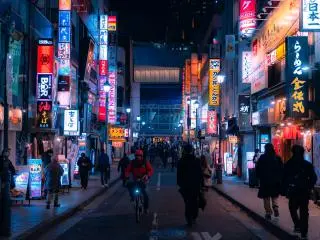
Tokyo, Japan
One of the 47 prefectures of Japan and has been the capital since 1869. The Greater Tokyo Area is the most populous metropolitan area in the world. It is the seat of the Emperor of Japan, the Japanese government and the National Diet.
Spend the day exploring vibrant Tokyo-one of the world's most populous cities-by public transit. Experience the traditional side of the Japanese capital on a visit to the Meiji Shrine, dedicated to Emperor Meiji and his wife. We then get a glimpse of the city's quirky, modern side on a walk through Harajuku, a centre of Japanese pop culture and a great place to sit back and people watch.
In Harajuka we catch a glimpse of the pop culture phenomenon of Kawaii. Directly translated as "cute," this Japanese cultural movement is reflected through various avenues of entertainment, toys, personal style, attitude, and cuisine.
On some departures of this tour the activities on Days 2 and 3 will be swapped.
Please note that the new JR Pass validation policy asks travellers to come to the office counter to activate their JR Pass.
Please note that the new JR Pass validation policy asks travellers to come to the office counter to activate their JR Pass.
Today's activities
Metro
Get around underground via public transit.
Orientation Walk
Join your group for a guided orientation walk as you explore eclectic and modern Tokyo.
Harajuku Visit
The Harajuku district is known as the centre of Japanese youth culture and fashion. Here, find dozens of shopping and dining options including independent boutiques and larger international luxury stores.
Meiji Shrine Visit
Visit this shrine dedicated to the 123rd emperor of Japan, Emperor Meiji and his wife. The shrine is a great place to escape the bustle of the city and wander the grounds along the wide walking paths.
Tokyo, Japan
One of the 47 prefectures of Japan and has been the capital since 1869. The Greater Tokyo Area is the most populous metropolitan area in the world. It is the seat of the Emperor of Japan, the Japanese government and the National Diet.
This morning, set out to visit the Tsukiji fish and seafood outer market. Learn about Japan's massive fishing industry, and round off the experience with a sushi-making class. Learn how to identify the freshest fish, prepare, fillet, and present; then enjoy a taste of your tasty creations.
After your sushi lunch, take a stroll in Asakusa, the historic heart of Tokyo.
After your sushi lunch, take a stroll in Asakusa, the historic heart of Tokyo.
Opt to visit Ueno park and the museums, Akihabara for cutting edge electronics, Harajuku for funky fashions, Ginza for the highest of the high end, walk the grounds of the Imperial Palace East Garden, or just stroll the streets, looking for the traditional life that still lies just under the modern surface.
Today's activities
Metro
Get around underground via public transit.
Tsukiji Fish Market
Visit the Tsukiji Fish Market, formerly known as the biggest fish and seafood market in the world, to get an idea of how important this industry is in Tokyo.
Tsukiji Sushi Experience
Walk through the Tsukiji outer Market. Later, take in a class with recognized sushi masters. learning first how to recognize the freshest ingredients, before learning to prepare, fillet, and perform the delicate art of sushi-making and presentation. Then, try your own hand at making sushi and enjoy a taste of your own creation.
Asakusa Walk
Discover this historic entertainment district on a guided orientation tour of the area. Take in one of Tokyo's iconic sites with a stop at Sensoji temple.
2 optional activities
Ginza Shopping
The Ginza district is Tokyo's equivalent of Fifth Avenue in New York. Window shop at Chanel, Dior, Gucci and Louis Vuitton, then check out the latest electronics at the Sony showroom or Apple store. Visit the Wako department store with its historic clock tower, housed in a building that dates back to 1894. If you are there on a weekend, head to Ginza's main street where pedestrians rule without Tokyo's traffic.
Admission: approx. null 0 per person
Ueno Park Visit
As Japan's most popular city park, Ueno is known for its museums and cherry blossoms. Stroll the pathways, admire the thousands of trees, including approximately 800 Somei-yoshino cherry trees, look for lotus on the pond, or opt to visit the temples and museums (entrance fees).
Admission: approx. JPY 0 per person
Tokyo, Japan
One of the 47 prefectures of Japan and has been the capital since 1869. The Greater Tokyo Area is the most populous metropolitan area in the world. It is the seat of the Emperor of Japan, the Japanese government and the National Diet.
Depart Tokyo by train. Disembark at Nagiso and continue to a local minshuku, a traditional Japanese bed-and-breakfast, where we'll spend the night. Enjoy a walk through the countryside, passing lush farms and rice paddies into Tsumago, a protected cultural area dating to the Edo period. Explore the charming town, where motorized vehicles are prohibited on the main street during the day and phone lines and power cables hidden from view to preserve its traditional feel. Back at our minshuku, feast on a kaiseki meal-a ritualistic multi-course dinner emphasizing artful presentation and fresh ingredients.
Please note, you will not have access to your main luggage for approximately 24 hours, as we utilize Japan's takkyubin service to conveniently and reliably transfer luggage from Tokyo to Kanazawa and avoid hauling large bags on crowded trains. You must pack an overnight bag with everything you'll need until you're reunited with your luggage the following day. Only one bag per passenger is permitted on the luggage transfer. If you have more, there will be an additional charge of approximately $20USD per bag at the traveler's expense.
Today's activities
Metro
Get around underground via public transit.
Train
Climb aboard, take a seat, and enjoy the ride.
Tsumago Countryside and Village walk
Take a walk through the countryside, passing farms, hamlets, and rice patties, continuing into Tsumago, a traditional village. Considered one of the best preserved post towns in Japan, the residents go to great lengths to recreate the feel of the Edo Period. Motorized vehicles are prohibited from the main street during the day and phone lines and power cables are hidden to allow visitors to feel as if they have stepped back in time.
Duration: 1.50-2 hour(s)
Tokyo, Japan
One of the 47 prefectures of Japan and has been the capital since 1869. The Greater Tokyo Area is the most populous metropolitan area in the world. It is the seat of the Emperor of Japan, the Japanese government and the National Diet.
Nagiso, Japan
Nagiso is a picturesque town in southern Nagano Prefecture, Japan, renowned for its well-preserved Nakasendo post town heritage and beautiful natural scenery, offering visitors a glimpse into Edo-period history and traditional Japanese countryside.
Continue by train to the historic city of Kanazawa, the seat of the powerful Maeda clan during the Edo period. Venture to Nagamachi, the city's well-preserved samurai district located at the foot of Kanazawa Castle, and learn about the lifestyle of Japan's ancient, elite warrior class. We'll also visit the Nomura residence, the beautifully restored home of a wealthy samurai family, boasting a collection of antique heirlooms and a stunning garden.
Today's activities
Train
Climb aboard, take a seat, and enjoy the ride.
Taxi
Jump in the back and tell the driver to step on it, just like they do in the movies.
Local Bus
Climb aboard, grab a seat, and enjoy the ride.
Nagamachi Samurai District Walk
Step back in time with a visit to the Nagamachi Samurai district of Kanazawa. Take a walk through the historic samurai district located just below the Kanazawa Castle, where traditionally samurai and their families lived in mud huts.
Duration: 0.50 hour(s)
Visit Nomura Family Samurai Residence
Visit the Nomura Family Samurai Residence - who held executive posts from one generation to the next under rule of the Maeda family. A stunning landmark has a coffered ceiling constructed of Japanese cypress and stunning fusuma-e (paintings on sliding-door panels) which were created by the personal painter of the Maeda family. Also enjoy the garden which features a 400-year old Japanese bayberry and winding stream surrounded by ancient rocks.
Nagiso, Japan
Nagiso is a picturesque town in southern Nagano Prefecture, Japan, renowned for its well-preserved Nakasendo post town heritage and beautiful natural scenery, offering visitors a glimpse into Edo-period history and traditional Japanese countryside.
Kanazawa, Japan
Kanazawa is a historic city in Ishikawa Prefecture, Japan, renowned for its well-preserved Edo-era districts, traditional crafts, and stunning gardens.
Spend the day exploring Kanazawa. Visit the Myoryuji Temple-commonly known as the Ninja Temple-which doubled as a military outpost, and discover its many hidden defenses and escape routes. Take a walk through the Higashi Chaya geisha district and gain insights into geisha culture, viewing one of the district's traditional wooden houses. Then visit a local craft studio, where we'll learn about the city's time-honoured crafts and learn to paint chopsticks with gold leaf.
Please note, you will not have access to your main luggage for approximately 24 hours, as we utilize Japan's takkyubin service to conveniently and reliably transfer luggage from Kanazawa to Hiroshima and avoid hauling large bags on crowded trains. You must pack an overnight bag with everything you'll need until you're reunited with your luggage the following day. Only one bag per passenger is permitted on the luggage transfer. If you have more, there will be an additional charge of approximately $20USD per bag at the traveler's expense.
Today's activities
Myoryuji Ninja Temple Visit
Visit the famous Ninja Temple. While there's no evidence linking the temple to ninjas, the hidden doorways, passages and escape routes seem designed for stealthy attackers. Please leave all nunchucks with security.
Chopstick and Gold Leaf Painting Experience
Partake in a hands-on experience in one of Kanazawa's many famous craft studios and enjoy chop stick and gold leaf painting.
Free Time
Enjoy some free time to explore on your own.
Local Bus
Climb aboard, grab a seat, and enjoy the ride.
Higashi Geisha District Visit
Step back in time with a visit to the Higashi Chaya geisha district of Kanazawa. Learn about the geisha culture, prevalent in Kanazawa since the 17th century. Visit the traditional two-story wooden houses decorated with lattice and discover the traditions behind this iconic Japanese way of life.
2 optional activities
Kanazawa Castle Visit
Visit the massive castle located beside the Kenrokuen Garden. At over 400 years old, the castle has a great history and is the perfect place to wrap up exploration of the gardens.
Admission: approx. JPY 0-320 per person
Kenroku-En Garden Visit
Walk around this breathtaking garden, ranked one of the top three in Japan. With unique bridges, ponds and fountains, pagodas and tea houses there's lots to see here in any season.
Admission: approx. JPY 320 per person
Kanazawa, Japan
Kanazawa is a historic city in Ishikawa Prefecture, Japan, renowned for its well-preserved Edo-era districts, traditional crafts, and stunning gardens.
Travel by bullet train to Hiroshima. Here, we'll pay a visit to the Peace Memorial Park and Museum, located in the heart of the city, which commemorates the tragic atomic bombings of 1945. Take your time to wander through the park, pausing at memorials dedicated to the victims of the attack, and visit the moving statue of Sadako Sasaki at the Children's Peace Monument, a reminder of the thousands of young lives lost as a result of the bombings.
The large Peace Park in the centre of the city is an extremely moving place dotted with memorials of those known to have been killed in the explosion and others who died as a result. A burning flame waits in the park to be extinguished when all nuclear weapons in the world have been destroyed.
Please note, you will not have access to your main luggage for approximately 24 hours, as we utilize Japan's takkyubin service to conveniently and reliably transfer luggage from Kanazawa to Hiroshima and avoid hauling large bags on crowded trains. You must pack an overnight bag with everything you'll need until you're reunited with your luggage the following day.
Today's activities
Taxi
Jump in the back and tell the driver to step on it, just like they do in the movies.
Train
Climb aboard, take a seat, and enjoy the ride.
Duration: 3-3.50 hour(s)
Tram
Move through the busy streets with ease via urban light rail.
Hiroshima Park and Peace Memorial
Walk through the Peace Park in the centre of Hiroshima, a living memorial dedicated to the tens of thousands who died from the atomic bomb blast in 1945. Visit the statue of Sadako Sasaki, a young girl who died of leukemia as a result of the bomb blast, despite folding 1,000 origami paper cranes to appeal to the gods to make her well. See the frame of the Gembaku Dome, the sole building to withstand the explosion. Reflect, remember, and be reminded of the power we all hold to create peace.
Kanazawa, Japan
Kanazawa is a historic city in Ishikawa Prefecture, Japan, renowned for its well-preserved Edo-era districts, traditional crafts, and stunning gardens.
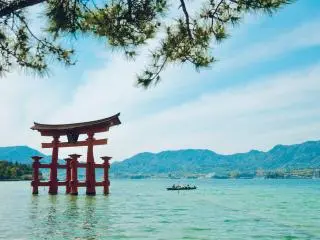
Hiroshima, Japan
The capital of Hiroshima Prefecture in Japan.As of August 2016, the city has an estimated population of 1,196,274. Hiroshima was the first city targeted by a nuclear weapon, when the United States Army Air Forces (USAAF) dropped an atomic bomb on the city at 8:15 a.m. on August 6, 1945, near the end of World War II.
Catch a ferry to Itsukushima Island, popularly known as Miyajima. Here, you'll find one of Japan's most beautiful and sacred temples, the 12th-century Itsukushima Shinto shrine. This UNESCO World Heritage site is built over the water, with a red torii or wooden gateway that appears to float at high tide. Spend the afternoon at leisure and explore on your own.
Today's activities
Ferry
Get to the next spot on your route aboard a convenient and efficient ferry boat.
Miyajima Island Visit
Take a trip to Miyajima Island, famed as one of Japan's most scenic spots, with a free afternoon to explore. See the famous floating Torii Gate, set out in the bay, which glows extraordinarily at sunset. The island is dotted with shrines and temples, populated by deer, and traversed with hiking trails for those who want to get some exercise. There are also lanes full of souvenirs and tasty treats. Visit Miyajima at your own pace, and have the option to hike up to the peak of the island, Mt Misen, to see spectacular views of the surrounding islands.
Free Time
Enjoy some time to explore on your own.
Hiroshima, Japan
The capital of Hiroshima Prefecture in Japan.As of August 2016, the city has an estimated population of 1,196,274. Hiroshima was the first city targeted by a nuclear weapon, when the United States Army Air Forces (USAAF) dropped an atomic bomb on the city at 8:15 a.m. on August 6, 1945, near the end of World War II.
Hatsukaichi, Japan
Hatsukaichi is a city in Hiroshima Prefecture, Japan, famous for the UNESCO World Heritage site Itsukushima Shrine. It offers beautiful coastal scenery and rich cultural traditions.
Hiroshima, Japan
The capital of Hiroshima Prefecture in Japan.As of August 2016, the city has an estimated population of 1,196,274. Hiroshima was the first city targeted by a nuclear weapon, when the United States Army Air Forces (USAAF) dropped an atomic bomb on the city at 8:15 a.m. on August 6, 1945, near the end of World War II.
This morning, visit the World Heritage-listed Himeji Castle, widely considered Japan's most spectacular and best-preserved castle. The castle was completed in the early 17th century and features an elegant white facade with multiple wooden roofs. Later, we hop on a train to Kyoto, which served as Japan's imperial capital for more than a thousand years. Explore the city's stunning temples, shrines, and gardens at leisure. This afternoon, take a guided stroll through the lantern-lined streets of Gion, Kyoto's renowned geisha district.
As the Imperial capital, Kyoto is an essential part of any visit to Japan. Kyoto has some of the most magnificent temples in Japan which date back centuries. There are said to be 2,000 temples, shrines, palaces, museums and traditional gardens in Kyoto. Use your time to wander past huge wooden structures and multi-storied pagodas, all linked with famous walkways.
Please note, you will not have access to your main luggage for approximately 24 hours, as we utilize Japan's takkyubin service to conveniently and reliably transfer luggage from Hiroshima to Kyoto and avoid hauling large bags on crowded trains. You must pack an overnight bag with everything you'll need until you're reunited with your luggage the following day. Only one bag per passenger is permitted on the luggage transfer. If you have more, there will be an additional charge of approximately $20USD per bag at the traveler's expense.
Today's activities
Bullet Train
Get to your next destination faster than the speed of light (ok maybe not that fast) aboard a high-speed train.
Himeji Castle
Visit the stunning Himeji Castle, which unlike many other Japanese castles was never destroyed in wars, earthquakes, or fires and continues to stand in its original form. Now a UNESCO World Heritage site, the initial site was built in the 14th century and grew over time as the various clans who ruled over the region continued to expand. The complex, as it stands today, was completed in 1609.
Bullet Train
Get to your next destination faster than the speed of light (ok maybe not that fast) aboard a high-speed train.
Gion Walk
Walk through Gion, Kyoto's most famous geisha district. Visit shops, restaurants and ochaya (teahouses), where geiko (Kyoto dialect for geisha) and maiko (geiko apprentices) entertain.
Hiroshima, Japan
The capital of Hiroshima Prefecture in Japan.As of August 2016, the city has an estimated population of 1,196,274. Hiroshima was the first city targeted by a nuclear weapon, when the United States Army Air Forces (USAAF) dropped an atomic bomb on the city at 8:15 a.m. on August 6, 1945, near the end of World War II.
Himeji, Japan
A city located in Hyogo Prefecture in the Kansai region of Japan. Originally a castle town, Himeji is home to the Himeji Castle, a UNESCO World Heritage Site.
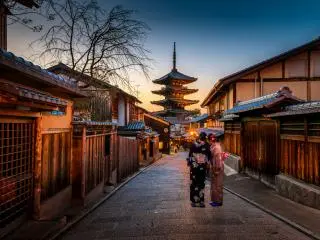
Kyoto, Japan
For over 1,000 years, Kyoto was the imperial capital of Japan. Today, its economy is based around information technology. It is home to the Nintendo headquarters, one of the world's most popular video game corporations.
Venture to the breathtaking Fushimi Inari shrine just outside of Kyoto, dedicated to the Shinto god of rice. Walk under the temple's iconic red gates, where a scene from Memoirs of a Geisha was filmed. Spend the rest of the day discovering ancient Nara, the site of Japan's earliest capital. Visit the impressive Todaiji temple-home to the largest bronze Buddha statue in the world-and wander the walkways of Kasuga Taisha, one of Japan's most sacred Shinto shrines.
Today's activities
Fushimi Inari Taisha Shrine Visit
Visit the Fushimi Inari shrine, located just outside of Kyoto. Walk under the thousands of iconic torii gates (as seen in the film Memoirs of a Geisha) and enjoy the peaceful atmosphere. The shrine itself is at the base of the Inari mountain but includes many trails up to smaller shrines in the area.
Day Trip to Nara
Take a train excursion to the peaceful gardens and ancient temples of Nara, home of Japan's largest Buddha, and a number of cute and docile deer that are the sacred symbol of the Kasuga Taisha shrine.
Todai-ji Buddhist Temple Complex
Explore the famed Todaiji Temple which features the largest bronze Buddha in the world.
Kasuga Grand Shrine
Visit this Shinto shrine originally built in 768 AD by the Fujiwara family. This stunning shrine is famed for its hundreds of bronze and stone lanterns.
Kyoto, Japan
For over 1,000 years, Kyoto was the imperial capital of Japan. Today, its economy is based around information technology. It is home to the Nintendo headquarters, one of the world's most popular video game corporations.
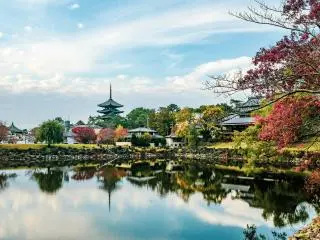
Nara, Japan
This Japanese city has a rich history. From 710 to 794 BCE, it was the country's capital. There are many deer in the area, and it is said that if you bow to them, they will return the gesture.
Kyoto, Japan
For over 1,000 years, Kyoto was the imperial capital of Japan. Today, its economy is based around information technology. It is home to the Nintendo headquarters, one of the world's most popular video game corporations.
This morning, we visit a local temple to learn about the history and practice of Zen Buddhism in Japan. Meet with a local monk for a lesson in Zen meditation and calligraphy; then head to the shimmering Kinkakuji, or "temple of the golden pavilion," one of Kyoto's most magnificent sites. Later, we'll learn the basics of samurai etiquette and the practice of kembu, or traditional Japanese swordplay. Try your hand at this delicate art form, and witness a memorable performance by kembu masters.
Today's activities
Zen Buddhist Meditation and Calligraphy
Visit a local temple to learn about the history and practice of Zen Buddhism in Japan. One of the monks will instruct us in Zen meditation and Zen calligraphy. This insider access will allow us deeper insight into Japanese culture and beliefs, as well as how to use these techniques to reduce stress in our daily lives.
Zen Tea Experience
Relax with a traditional bowl of matcha tea at this historic temple where tea ceremony was developed into its current form by famous tea master, Rikyu.
Kinkaku-ji Golden Pavilion Visit
Explore Kinkaku-ji or the Golden Pavilion, named for the temple's top two floors that are covered in gold leaf. The temple is surrounded by trees and sits on a reflective pond, making this must-see in Kyoto a perfect place for photos. While the temple can be busy, there are gardens around the area to explore once you've had enough of the view.
Kembu Masters
Gain an understanding of kembu, an ancient art form that honours the culture of the Japanese warrior class, the samurai. Watch kembu masters practice this delicate artform and learn for yourself the basic moves of properly using a Japanese sword. It's said that in feudal times, samurai would perform these traditional routines to build courage and improve concentration, thereby expressing the spirit of the warrior.
Kyoto, Japan
For over 1,000 years, Kyoto was the imperial capital of Japan. Today, its economy is based around information technology. It is home to the Nintendo headquarters, one of the world's most popular video game corporations.
Depart at any time.
For travellers flying out of Kansai International Airport (KIX), please find the public transit options below (please note that taxis can become quite expensive in the late hours)
1) By train - departing from Kyoto station, the limited express "Haruka" Train goes directly to the airport. The last train to the airport leaves Kyoto station at 20:30.
2) By bus - departing from Kyoto station, with several stops along the way. The last bus to the airport leaves Kyoto station at 22:10.
Timetable Reference: http://www.hyperdia.com
Kyoto, Japan
For over 1,000 years, Kyoto was the imperial capital of Japan. Today, its economy is based around information technology. It is home to the Nintendo headquarters, one of the world's most popular video game corporations.
Includes & Excludes
Price Includes
Price Excludes
Additional Notes
- Changeover Communication Tsukiji Sushi Experience
Walk through the Toyosu Fish Market. Later, take in a class with recognized sushi masters in the Tsukiji area, learning first how to recognize the freshest ingredients, before learning to prepare, fillet, and perform the delicate art of sushi-making and presentation. Then, try your own hand at making sushi and enjoy a taste of your own creation.
Zen Buddhist Meditation
Visit a local temple to learn about the history and practice of Zen Buddhism in Japan. One of the monks there will instruct us in Zen meditation and Zen calligraphy, allowing us deeper insight into Japanese culture and beliefs, and ultimately teaching techniques to help reduce stress in our daily lives.
Kembu Masters
Stop by a traditional dojo to gain an understanding of kembu, an ancient martial art form that honours the culture of the samurai. Watch masters practice this delicate combination of dance and swordplay and learn Japanese sword techniques which were said to build a samurai's courage and improve concentration. - Checklist Cold Weather:
* Long-sleeved shirts or sweater
* Scarf
* Warm gloves
* Warm hat
* Warm layers
* Warm waterproof jacket
Conservative Dress:
* Modest clothing that covers knees and shoulders (Long pants, long skirts, shirts that cover shoulders)
* Shawl or scarf (for temple visits)
Documents:
* Flight info (required) (Printouts of e-tickets may be required at the border)
* Insurance info (required) (With photocopies)
* Passport (required) (With photocopies)
* Vouchers and pre-departure information (required)
* Visas or vaccination certificates (With photocopies)
Essentials:
* Footwear (required) (Closed toe suggested)
* Toiletries (required) (Shampoo, bodywash, soap, etc.)
* Binoculars (optional)
* Camera (With extra memory cards and batteries)
* Cash, credit and debit cards
* Day pack (Used for daily excursions or short overnights)
* Ear plugs
* First-aid kit (should contain lip balm with sunscreen, sunscreen, whistle, Aspirin, Ibuprofen, bandaids/plasters, tape, anti-histamines, antibacterial gel/wipes, antiseptic cream, Imodium or similar tablets for mild cases of diarrhea, rehydration powder, water purification tablets or drops, insect repellent, sewing kit, extra prescription drugs you may be taking)
* Flashlight/torch (Headlamps are ideal)
* Fleece top/sweater
* Hat
* Headphones (Noise-cancelling recommended)
* Locks for bags
* Long pants/jeans
* Moneybelt
* Outlet adapter
* Personal entertainment (Reading and writing materials, cards, music player, etc.)
* Reusable water bottle
* Shirts/t-shirts
* Sleepwear
* Small travel towel
* Sunglasses
* Swimwear
* Watch and alarm clock
* Waterproof backpack cover
* Windproof rain jacket
Health & Safety:
* Face masks (Clients will be only be required to wear a face mask where it is mandated by local regulations.)
* Hand sanitizer
* Pen (Please bring your own pen for filling out documents.)
Smart Dress:
* Smart outfit (For evenings out)
Warm Weather:
* Sandals/flip-flops
* Shorts/skirts (Longer shorts/skirts are recommended)
* Sturdy water shoes/sandals
* Sun hat/bandana
* Swimwear
Note: During the colder months (Nov-Apr) the mountains can be very cold, so please make sure you pack warm clothes. During summer (Jun-Sep) temperatures be very hot and humid. Lightweight breathable clothing is recommended. - Group Size Notes Max 15, avg 12
- International Flights No, international flights are generally not included in the price of your tour.
However, on some combo tours travelling between two different countries, international flights are included as part of the itinerary and price of the tour. Please speak to your National Geographic Signature Specialist or booking agent for further details.
In addition, check-in times and baggage allowances/restrictions vary by airline and can change at any time. For the most up-to-date information for your flight, please contact your airline. We recommend checking in online in advance to avoid potential delays at the airport. - Optional Activities Tokyo
- Ginza Shopping (Free)
- Ueno Park Visit (Free)
Kanazawa
- Kanazawa Castle Visit (Free-320JPY per person)
- Kenroku-En Garden Visit (320JPY per person) - Packing Note During the colder months (Nov-Apr) the mountains can be very cold, so please make sure you pack warm clothes. During summer (Jun-Sep) temperatures be very hot and humid. Lightweight breathable clothing is recommended.
- Start / Finish Tokyo to Kyoto
Policies
Minimum Age You must be 18 to travel unaccompanied on a TakeTours tour. For minors travelling with a guardian over 21 years old, the minimum age is 12.
Q & A
Popular FAQs
Explore the modern and traditional sides of Japan, Relax at a traditional Inn, Ride a ferry to Miyajima to see the famous floating torii, Learn the art of meditation from a local monk
The information in this trip details document has been compiled with care and is provided in good faith. However it is subject to change, and does not form part of the contract between the client and the operator. The itinerary featured is correct at time of printing. It may differ slightly to the one in the brochure. Occasionally our itineraries change as we make improvements that stem from past travellers, comments and our own research. Sometimes it can be a small change like adding an extra meal along the itinerary. Sometimes the change may result in us altering the tour for the coming year. Ultimately, our goal is to provide you with the most rewarding experience. Please note that our brochure is usually released in November each year. If you have booked from the previous brochure you may find there have been some changes to the itinerary.
VERY IMPORTANT: Please ensure that you print a final copy of your Trip Details to review a couple of days prior to travel, in case there have been changes that affect your plans.
VERY IMPORTANT: Please ensure that you print a final copy of your Trip Details to review a couple of days prior to travel, in case there have been changes that affect your plans.
While it is our intention to adhere to the route described below, there is a certain amount of flexibility built into the itinerary and on occasion it may be necessary, or desirable to make alterations. The itinerary is brief, as we never know exactly where our journey will take us. Due to our style of travel and the regions we visit, travel can be unpredictable. The Trip Details document is a general guide to the tour and region and any mention of specific destinations or wildlife is by no means a guarantee that they will be visited or encountered. Aboard expedition trips visits to research stations depend on final permission.
Additionally, any travel times listed are approximations only and subject to vary due to local circumstances.
Additionally, any travel times listed are approximations only and subject to vary due to local circumstances.
1. TATTOOS
Tattoos are not common or widely accepted in Japan. There is no cause for concern, but do your best to cover your tattoos when possible and note that you may not be permitted to enter public spas or onsens (hot springs).
2. RAIL PASS
Please note that only foreigners traveling as a tourist are able to use a Japan Rail Pass. If you are a Japanese citizen/resident or traveling on a student/business/military/diplomatic visa, please advise us at time of booking as you will not be able to take advantage of the rail pass.
3. TOKYO INCLUDED ACTIVITIES
On some departures of this tour the activities on Days 2 and 3 will be swapped.
4. LUGGAGE RESTRICTIONS
All TakeTours tours in Japan use the world-famous Shinkansen bullet trains, which have a restriction on maximum luggage size. Any luggage brought on board the train must be less than 160cm in total. This is roughly the size that most airline companies consider as "carry-on baggage" and allow in overhead storage compartments.
As this tour includes city-to-city luggage transfers, this restriction affects your carry-on luggage on board the train.
5. ACCOMMODATIONS
Please be aware that properties we stay in with only two stories may not have elevators installed and climbing the stairs with your luggage will be necessary.
6. EXPEDITION LEADER
When traveling across different countries, islands, or regions, travellers can expect multiple Expedition Leaders throughout their trip to ensure experiences are authentic and locally specialized.
All TakeTours group trips are accompanied by one of our National Geographic Expedition Leader throughout. The aim of the Expedition Leaders is to take the hassle out of your travels and to help you have the best trip possible. They will provide information on the places you are travelling through, offer suggestions for things to do and see, recommend great local eating venues and introduce you to our local friends. While not being guides in the traditional sense you can expect them to have a broad general knowledge of the countries visited on the trip, including historical, cultural, religious and social aspects. We also use local guides where we think more specific knowledge will add to the enjoyment of the places we are visiting- we think it's the best of both worlds.
Max 15, avg 12
11 breakfasts, 1 lunch, 1 dinner
Eating is a big part of traveling. TakeTours knows that worldwide, local cuisines define the cultures. We think sampling regional delicacies are intrinsic to truly experiencing the country. We want you to be able to try foods according to your individual tastes, comforts, and budgets.
Generally meals are not included in the trip price when there is a choice of eating options, to give you the maximum flexibility in deciding where, what and with whom to eat. It also gives you more budgeting flexibility. At times, meals will be taken together as a group. Other times, your National Geographic Expedition Leader will point you in the direction of several delicious options, and you will have free time to pick and choose at will. Often in Japan it is fun to get some snacks and beverages with the salarymen in the evenings at small restaurants, and other times it is fun to sit with a few friends at a sushi train.
Your National Geographic Expedition Leader will always strive to cater for all dietary requirements/preferences, but please keep in mind that Vegetarianism/Veganism is very uncommon in Japan so this may mean a more limited selection for you.
Bullet train, express train, local train, ferry, metro, taxi, public bus, walking.
We believe single travellers should not have to pay more to travel so our group trips are designed for shared accommodation and do not involve a single supplement. Single travellers joining group trips are paired in twin or multi-share accommodation with someone of the same sex for the duration of the trip. Some of our Independent trips are designed differently and single travellers on these itineraries must pay the single trip price.
Hotels - 10 nts, traditional Inn - 1 nt, shared facilities,
Night 4 has a shared bathroom
A mix of Western style hotels (10 nights) and Japanese traditional inns (1 nights).
Japan is one of the most populous countries in the world and space is at a premium. Therefore, hotels rooms are small! Additionally, most Japanese hotels do not have designating non smoking rooms. Therefore, we ask hotels to deoderize rooms before check in. Please note rooms for couples usually still have two twin beds in Japan. Rooms with one large Queen or King bed are not common.
Japan is one of the most populous countries in the world and space is at a premium. Therefore, hotels rooms are small! Additionally, most Japanese hotels do not have designating non smoking rooms. Therefore, we ask hotels to deoderize rooms before check in. Please note rooms for couples usually still have two twin beds in Japan. Rooms with one large Queen or King bed are not common.
We don't expect any problems, and nor should you, but if for any reason you are unable to commence your trip as scheduled, as soon as possible please contact your starting point hotel, requesting that you speak to or leave a message for your Expedition Leader (if you are not on a group tour please refer to the emergency contact details provided in this dossier). If you are unable to get in touch with your leader, please refer to our emergency contact details.
Please note that your tour will finish in Kyoto. You have a few options below for travelling to one of the international airports in the area.
Direction from Oakwood Hotel Kyoto Oike
The nearest subway station is Kyoto Shiyakusho Mae station (approximately 2 mins on foot) or Karasuma Oike station (approximately 6 mins on foot).
To Kyoto station:
Take a subway (Tozai Line) for Uzumasa Tenjingawa, get off at Karasuma Oike station. It takes about 2 mins to get there. From Karasuma Oike station, take a subway (Karasuma Line) for Takeda or Shin Tanabe to Kyoto station. It takes about 6 mins to get there.
From Kyoto station to Kansai International Airport
You can access the airport by train or airport limousine bus at your convenience.
By Train - Take Limited Express Haruka takes about 80 mins ride. The train ticket fee is 3230~ 3630 JPY/per pax(depends on the seasonality)There is no transfer required till Kansai Airport.
By Airport Limousine Bus - From Kyoto station Hachijo-guchi to Kansai Airport about 90-100mins ride. The bus fee is 2600 JPY / per pax. The bus tickets can be purchased at the bus ticket service (1F in Kyoto Avanti)
From the hotel to Osaka International Airport (Itami Airport) :
Take Airport Limousine Bus from Kyoto Shiyakusho Mae bus stop (In front of Hotel Okura Kyoto) to Itami Airport. It takes about 60-75 mins, 1,340JPY/per pax. The bus tickets can be purchased in the bus.
It's essential to pack as lightly as possible for rail travel in Japan. All TakeTours tours use the world-famous Shinkansen bullet trains, which have a restriction on maximum luggage size.
Any luggage brought on board the train must be less than 160cm in total (calculated as the sum of the height + width + depth of your luggage). This is roughly the size that most airline companies consider as "carry-on baggage" and allow in overhead storage compartments. As this tour includes city-to-city luggage transfers, this restriction only affects your carry-on luggage on board the train.
Please note, you will NOT have access to your main luggage for approximately 24 hours on this trip, as we utilize Japan's takkyubin service to conveniently and reliably transfer luggage from one location to another throughout the country and avoid hauling large bags on crowded trains. You must pack an overnight bag with everything you'll need until you're reunited with your luggage the following day.
Cold Weather:
* Long-sleeved shirts or sweater
* Scarf
* Warm gloves
* Warm hat
* Warm layers
* Warm waterproof jacket
Conservative Dress:
* Modest clothing that covers knees and shoulders (Long pants, long skirts, shirts that cover shoulders)
* Shawl or scarf (for temple visits)
Documents:
* Flight info (required) (Printouts of e-tickets may be required at the border)
* Insurance info (required) (With photocopies)
* Passport (required) (With photocopies)
* Vouchers and pre-departure information (required)
* Visas or vaccination certificates (With photocopies)
Essentials:
* Footwear (required) (Closed toe suggested)
* Toiletries (required) (Shampoo, bodywash, soap, etc.)
* Binoculars (optional)
* Camera (With extra memory cards and batteries)
* Cash, credit and debit cards
* Day pack (Used for daily excursions or short overnights)
* Ear plugs
* First-aid kit (should contain lip balm with sunscreen, sunscreen, whistle, Aspirin, Ibuprofen, bandaids/plasters, tape, anti-histamines, antibacterial gel/wipes, antiseptic cream, Imodium or similar tablets for mild cases of diarrhea, rehydration powder, water purification tablets or drops, insect repellent, sewing kit, extra prescription drugs you may be taking)
* Flashlight/torch (Headlamps are ideal)
* Fleece top/sweater
* Hat
* Headphones (Noise-cancelling recommended)
* Locks for bags
* Long pants/jeans
* Moneybelt
* Outlet adapter
* Personal entertainment (Reading and writing materials, cards, music player, etc.)
* Reusable water bottle
* Shirts/t-shirts
* Sleepwear
* Small travel towel
* Sunglasses
* Swimwear
* Watch and alarm clock
* Waterproof backpack cover
* Windproof rain jacket
Health & Safety:
* Face masks (Clients will be only be required to wear a face mask where it is mandated by local regulations.)
* Hand sanitizer
* Pen (Please bring your own pen for filling out documents.)
Smart Dress:
* Smart outfit (For evenings out)
Warm Weather:
* Sandals/flip-flops
* Shorts/skirts (Longer shorts/skirts are recommended)
* Sturdy water shoes/sandals
* Sun hat/bandana
* Swimwear
Note: During the colder months (Nov-Apr) the mountains can be very cold, so please make sure you pack warm clothes. During summer (Jun-Sep) temperatures be very hot and humid. Lightweight breathable clothing is recommended.
Laundry facilities are offered by some of our hotels but this is very expensive. Your leader can show you self service coin laundries in larger cities. There will be times when you may want to or have to do your own laundry so we suggest you bring non-polluting/biodegradable soap.
All countries require a valid passport (with a minimum 6 months validity). Contact your local embassy or consulate for the most up-to-date visa requirements, or see your travel agent. It is your own responsibility to have the correct travel documentation. Visa requirements for your trip will vary depending on where you are from and where you are going. We keep the following information up to date as far as possible, but rules do change and sometimes without warning. While we provide the following information in good faith, it is vital that you check the information yourself and understand that you are fully responsible for your own visa requirements.
Visa information specific to your destination and nationality can be found in our Important Pre-Departure Information page here
Visa information specific to your destination and nationality can be found in our Important Pre-Departure Information page here
Travel in Japan is easy, clean, fast and efficient, however please be aware that English is still not widely spoken, however a lot of patience, a sense of humour and a respect for the local culture goes a long way in any Asian country and will greatly enrich your experience.
Every traveller is different and therefore spending money requirements will vary. Some travellers may drink more than others while other travellers like to purchase more souvenirs than most. Please consider your own spending habits when it comes to allowing for drinks, shopping and tipping. Please also remember the following specific recommendations when planning your trip.
As currency exchange rates in Asia fluctuate often we ask that you refer to the following website for daily exchange rates: www.xe.com.
Every Post Office and 7-11 Convenience store has an ATM machine that accepts Visa, Mastercard and Debit Cards. At times, Maestro/Master Card/Cirrus have been problematic at these machines, so please bring a back-up card.
Credit Cards should not be relied upon for purchases as they are not widely accepted, except in some restaurants and department stores. Money can be exchanged at Post Offices and some banks and hotels in major cities, however it can be a very slow process.
Please also make sure you have access to at least an additional USD $200 (or equivalent) as an 'emergency' fund, to be used when circumstances outside our control (ex. a natural disaster) require a change to our planned route. This is a rare occurrence!
Departure Tax is included in all International and Domestic tickets.
Tipping for service is not practiced in Japan. Leaving money at restaurants, in taxis etc will simply cause confusion.
Tipping within the travel industry is standard to recognize the guide for a great experience. Our Expedition Leaders work hard to make your trip special. If you're happy with their service, a tip of $8-$12 per day is a great way to say thanks, though the final amount is completely up to you.
Tipping within the travel industry is standard to recognize the guide for a great experience. Our Expedition Leaders work hard to make your trip special. If you're happy with their service, a tip of $8-$12 per day is a great way to say thanks, though the final amount is completely up to you.
Tokyo
- Ginza Shopping (Free)
- Ueno Park Visit (Free)
Kanazawa
- Kanazawa Castle Visit (Free-320JPY per person)
- Kenroku-En Garden Visit (320JPY per person)
- Ginza Shopping (Free)
- Ueno Park Visit (Free)
Kanazawa
- Kanazawa Castle Visit (Free-320JPY per person)
- Kenroku-En Garden Visit (320JPY per person)
You should consult your doctor for up-to-date medical information pertaining to the country you are travelling to well before departure. We recommend that you carry a First Aid kit and hand sanitizers / antibacterial wipes as well as a full supply of any personal medical requirements. Always carry your prescription medication in original packaging with your doctor's prescription and ensure your medication is legal in Japan. In Asia, you will not find the same drugs as you get at home. Please be aware that sometimes we are in remote areas and away from medical facilities. Also note that for legal reasons our Leaders are prohibited from administering any type of drug including headache tablets, antibiotics, etc. When selecting your trip please carefully read the brochure and itinerary and assess your ability to cope with our style of travel. Please refer to the Physical and Culture Shock ratings for trip specific information. TakeTours reserves the right to exclude any traveller from all or part of a trip without refund if, in the reasonable opinion of the Expedition Leader, they are unable to complete the itinerary without undue risk to themselves and/or the rest of the group.
Many national governments provide a regularly updated advice service on safety issues involved with international travel. We recommend that you check your government's advice for their latest travel information before departure. We strongly recommend the use of a neck wallet or money belt while travelling, for the safe keeping of your passport, air tickets, travellers' cheques, cash and other valuable items. Leave your valuable jewellery at home - you won't need it while travelling. Many of the hotels we use have safety deposit boxes, which is the most secure way of storing your valuables. A lock is recommended for securing your luggage. When travelling on a group trip, please note that your Expedition Leader has the authority to amend or cancel any part of the trip itinerary if it is deemed necessary due to safety concerns. Your Expedition Leader will accompany you on all included activities. During your trip you will have some free time to pursue your own interests, relax and take it easy or explore at your leisure. While your Expedition Leader will assist you with options available in a given location please note that any optional activities you undertake are not part of your itinerary, and we offer no representations about the safety of the activity or the standard of the operators running them. Please use your own good judgment when selecting an activity in your free time. Although the cities visited on tour are generally safe during the day, there can be risks to wandering throughout any major city at night. It is our recommendation to stay in small groups and to take taxis to and from restaurants, or during night time excursions.
Protests and Demonstrations- Protests and demonstrations, even those that are well intended, have the potential to turn violent with no warning. Counter protests can also turn violent. Action by security forces to disperse demonstrators and protesters may occur at any time. If you are in an area where demonstrators or protesters are gathering, avoid the temptation of staying for a good photo opportunity and leave the area immediately.
Water based activities have an element of danger and excitement built into them. We recommend only participating in water based activities when accompanied by a guide(s). We make every reasonable effort to ensure the fun and adventurous element of any water based activities (in countries with varying degrees of operating standards) have a balanced approach to safety. It is our policy not to allow our Expedition Leaders to make arrangements on your behalf for water based activities that are not accompanied by guide(s).
Swimming, including snorkeling, is always at your own risk.
We take all prudent measures in relation to your safety. For ways to further enhance your personal safety while traveling, please visit:
https://www.taketours.com
We strongly recommend the use of a neck wallet or money belt while travelling, for the safe keeping of your passport, air tickets, travellers' cheques, cash and other valuable items. Leave your valuable jewellery at home - you won't need it while travelling. Many of the hotels we use have safety deposit boxes which is the most secure way of storing your valuables. A lock is recommended for securing your luggage.
Illegal drugs will not be tolerated on any trips. Possessing or using drugs not only contravenes the laws of the land but also puts the rest of the group at risk. Smoking marijuana and opium is a part of local culture in some parts of the world but is not acceptable for our travellers. Our philosophy of travel is one of respect towards everyone we encounter, and in particular the local people who make the world the special place it is. The exploitation of prostitutes is completely contrary to this philosophy. Our Expedition Leaders have the right to expel any member of the group if drugs are found in their possession or if they use prostitutes.
No matching FAQ found.
Customer Q & As
Ask a QuestionReviews
Please post your review to earn 100 points and help other travelers make confident decisions.
Photos
Upload Your Trip Photos & Earn Rewards
Upload 3 or more approved trip photos and earn 300 Loyalty
Points.
Selected photos may receive an additional 200 point bonus.
Maximum photo reward per tour: 500 points.
Please check the Loyalty Program FAQ for more information.