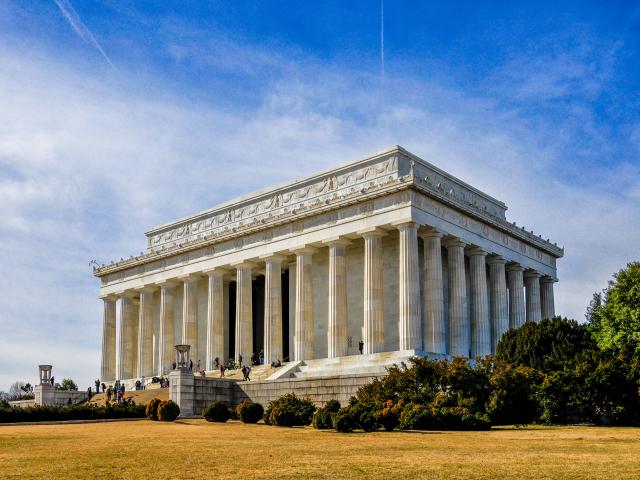
Compare New York to Washington DC tours, from 1-day guided sightseeing trips to multi-day East Coast itineraries with Philadelphia, Niagara Falls or Boston. Popular stops include the National Mall, the Lincoln Memorial, the Capitol, the White House and the Smithsonian museums. Find NYC and New Jersey pickup options, hotel-included packages and departures that run year round. Families travelling with parents visiting from India can check meal stops and pacing on our tours built for families travelling with parents.
Washington, D.C. is roughly 225 miles from New York City by road. On a guided coach trip, the journey commonly takes about four to five hours each way, although traffic, rest stops, and the route used can affect the timing. Because much of the day involves travel, tours usually focus on a carefully selected group of major landmarks rather than allowing time for every museum and memorial.
A one-day tour can cover several of Washington’s best-known landmarks, making it suitable for travelers with limited time. However, a multi-day tour is generally recommended because it allows for a more comfortable pace and may combine Washington with other East Coast destinations. It also provides more time to appreciate the city’s museums, memorials, and historic areas without fitting most of the experience into a single day.
With limited time, concentrate on the National Mall area, where many signature landmarks are grouped within a manageable sightseeing zone. A practical highlights route may include views of the U.S. Capitol and White House, followed by the Washington Monument, World War II Memorial, Lincoln Memorial, and nearby Vietnam and Korean War memorials. The exact combination depends on the selected itinerary, traffic, security restrictions, and time available that day.
The White House and U.S. Capitol have separate entry and reservation requirements, and an exterior photo stop does not include interior access. White House public tours must be requested through a Member of Congress 7–90 days in advance and may change at short notice. Capitol visits also require advance planning. For a more convenient experience, travelers may select the Congress Tour optional activity when it is available with their chosen TakeTours itinerary.
Yes. Philadelphia lies along the broader New York–Washington travel corridor, and this page currently lists itineraries that combine Philadelphia with Washington, D.C. It works well for travelers who want to compare two important centers of American history in one East Coast trip. However, adding Philadelphia divides the available sightseeing time, so choose a combined itinerary for variety and a Washington-focused option when the capital itself is your main priority.
Spring and fall generally offer the most comfortable conditions for walking around Washington’s outdoor memorials. Spring is especially popular for cherry blossoms, but peak bloom changes with the weather and is difficult to predict far in advance; it most often falls between late March and early April. Summer provides long daylight hours but can be hot and humid, while winter is quieter and colder. Match the season to your preferred pace and scenery.
Winter sightseeing is possible, but prepare for cold temperatures, wind, shorter daylight, and potentially slippery surfaces around outdoor memorials. Wear warm layers, a weather-resistant outer layer, gloves, and comfortable shoes with good traction. Keep the itinerary flexible because severe weather can affect roads, walking conditions, and scheduled visits. The National Mall remains open, but individual buildings, attractions, or guided activities may follow separate hours or close because of weather.
Washington can work well for families with children and older adults, especially when transportation connects the major sightseeing areas. Still, the National Mall involves more walking than many visitors expect: the distance from the Lincoln Memorial to the Capitol is about two miles. Look for a comfortable pace, realistic stop lengths, and convenient rest breaks. Families should bring weather-appropriate clothing, while travelers with limited mobility should review accessibility and walking requirements for the specific itinerary.