
16-Day Korea & Japan Encompassed
From
US$5519.20 ¥36793 €5023 C$7898 Rs.515446
New customer offer
Save up to $100 on your first order
Sign up to get your coupon
Price a Trip, Book Now
traveler-based
Adult and child counts are sent to the cart for final traveler-based pricing.
Age 0-12
Highlights
There's truly no better way to see living ancient traditions and futuristic marvels perfectly coexisting than on an adventureful two weeks through South Korea and Japan. Hit iconic destinations and try life-changing street food in both countries. Stay overnight in a temple tucked away in the Korean mountainside and in a traditional Japanese ryokan inn. Come hungry and get ready for an unforgettable trip through two of Asia's most popular destinations.
- Highlights Immerse yourself in the serene and spiritual atmosphere with an overnight stay at a traditional temple, Experience Japanese hospitality and tradition with a stay in a cozy ryokan. Enjoy leisure time exploring the vibrant attractions, cuisine, and culture of both Tokyo and Seoul, Reflect on history and hope for peace at Hiroshima Peace Park, Walk through the iconic red torii gates of the stunning Fushimi Inari Shrine
Dates & Prices
Price in USD (per person)
Itinerary
There's truly no better way to see living ancient traditions and futuristic marvels perfectly coexisting than on an adventureful two weeks through South Korea and Japan. Hit iconic destinations and try life-changing street food in both countries. Stay overnight in a temple tucked away in the Korean mountainside and in a traditional Japanese ryokan inn. Come hungry and get ready for an unforgettable trip through two of Asia's most popular destinations.
Welcome to Seoul! As fellow travellers are arriving throughout the day, there are no planned activities until a group meeting at 6 pm. Check into the hotel and enjoy the city.
After the welcome meeting, join your CEO for an orientation walk down Cheonggyecheon Stream to learn about Seoul while walking past small waterfalls and nearly two dozen overhead bridges. Then, enjoy the dense grid of streets found in the bustling neighbourhood of Myeongdong which is packed with people at all hours of the day looking to enjoy some of the best shopping, street food, and nightlife in all of Korea.
Opt for a group dinner to end your first night!
Opt for a group dinner to end your first night!
The most convenient way to get around South Korea is by public transportation and on foot. The country's train system is world renowned so the majority of our trips utilize this efficient train network. In this tour, you will need to be able to spend the majority of the day on your feet and carry your luggage through busy train stations and streets. Please ensure you are fit enough to carry your own luggage and spend most of the day on your feet.
Today's activities
Seoul Orientation Walk
Enjoy a brief walk with your CEO who will give you some tips on finding things like supermarkets, main squares, and ATMs. You'll be taken through Cheonggyecheon Stream which is an 8.4 kilometre (5.2 mile) waterway and public space that runs through the heart of downtown Seoul. Myeongdong is another popular spot you'll hit on your orientation walk. This exciting district features street food carts, major shopping malls, and entertainment.
Meet Your CEO and Group
Your opportunity to meet your CEO and fellow travellers, and learn more about your tour. Opt to join the group for a local meal afterwards. Don't forget to see the notice in the lobby (or ask reception) for the official time and place to meet up with the group.
Duration: 1 hour(s)
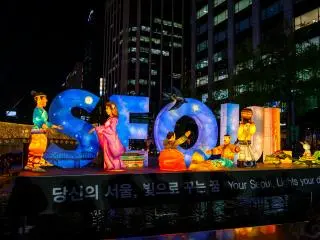
Seoul, Korea, Republic of
Seoul is the capital and largest metropolis of South Korea. The Seoul Capital Area, which includes the surrounding Incheon metropolis and Gyeonggi province, is the world's second largest metropolitan area with over 25.6 million people, home to over half of South Koreans along with 632,000 international residents.
Sit back and relax on a private bus and enjoy a tour of the bustling metropolis where modern skyscrapers, high-tech subways and pop culture meet Buddhist temples and street markets. Visit Gyeongbokgung Palace, the National Folklore Museum, Bukchon Hanok Village and Insadong alley.
After exploring the city, opt to see a show, explore a local museum, or hit the pavement and eat your way through street markets trying local fares such as bibimbap, soondae, and kimchi.
Today's activities
Insadong Alley
Explore the narrow and hidden alleys of one of the most memorable places in Seoul. Now filled with antique shops, galleries, tea houses and traditional restaurants, this area once housed the royal studio for painters during the Joseon Dynasty.
National Folklore Museum
Located within the grounds of the Gyeongbokgung Palace, learn about the history and traditions of the Korean people during the Joseon era.
Duration: 0.25-0.50 hour(s)
Free Time
Head out and explore.
Seoul City Tour
Enjoy a bus tour of the bustling capital of South Korea. Visit different areas of the city including Gyengbokgung Palace, National Folklore Museum, Jogyesa Temple, Bukchon Hanok Village and Insadong alley.
Gyeongbokgung Palace
Visit Gyeongbokgung Palace, the main royal palace of the Joseon Dynasty built in 1395. The palace has been destroyed many times over, but more than 50 per cent of the buildings are still standing or are restored. The complex is also home to the National Palace Museum and the National Folk Museum.
Duration: 1-1.25 hour(s)
Bukchon Hanok Village Exploration
Be transported back 600 years into Seoul's past while walking through Bukchon Hanok Village, which boasts the largest cluster of privately owned traditional Korean wooden homes (hanok) in Seoul. Keep an eye out for the half-dozen or so alleys that have beautifully restored architectural features like small courtyards, decorative outer walls, and dark tiled roofs.
Duration: 0.50-1 hour(s)
2 optional activities
Gwangjang Market Visit
Gwangjang Market is one of the oldest and largest traditional markets in South Korea, with more than 5,000 shops. Famous for its fabric, local treasures, and noted to be one of the best places to go for authentic Korean street food in Seoul, you don't want to miss Gwangjang Market.
Duration: approx. 1 hour(s)
Seoul Museum of History Visit
Really get to know Seoul with a stop at the Seoul Museum of History, which highlights each segment of the city's past from the Stone Age to present day. Discover one of the museum's recent creations - a large floor map of Seoul, great for plotting out your next steps!
Admission: approx. null 0 per person
Seoul, Korea, Republic of
Seoul is the capital and largest metropolis of South Korea. The Seoul Capital Area, which includes the surrounding Incheon metropolis and Gyeonggi province, is the world's second largest metropolitan area with over 25.6 million people, home to over half of South Koreans along with 632,000 international residents.
After breakfast, board a high speed bullet train for a relaxing morning ride through the countryside to Gyeongju. Once the group arrives to this old capital city for 1,000 years, they will experience an overnight stay in a local temple. During the stay the group will learn about temple etiquette, watch a monk martial arts performance, experience the daily prayer ritual and a temple style dinner.
Stay in rooms called Ondol. These rooms are very traditional, heated to be cozy and comfortable, with beds made up directly on the floor. The rooms here are multi-share, divided up by male and female rooms. Enjoy a traditional dinner and breakfast during the stay.
Have the opportunity to learn about temple etiquette, experience the daily drum and bell ritual and take an easy hike up to the only stone cave temple in Korea for morning meditation.
Have the opportunity to learn about temple etiquette, experience the daily drum and bell ritual and take an easy hike up to the only stone cave temple in Korea for morning meditation.
Today's activities
Overnight Temple Stay
Stay in rooms called Ondol, which are very traditional and heated to be cozy and comfortable with beds made up directly on the floor. The rooms here are multi-share, divided up by male and female rooms. Enjoy a traditional dinner and breakfast during the stay.
Bullet Train
Get to your next destination faster than the speed of light (ok maybe not that fast) aboard a high-speed train.
Duration: 2 hour(s)
Seoul, Korea, Republic of
Seoul is the capital and largest metropolis of South Korea. The Seoul Capital Area, which includes the surrounding Incheon metropolis and Gyeonggi province, is the world's second largest metropolitan area with over 25.6 million people, home to over half of South Koreans along with 632,000 international residents.
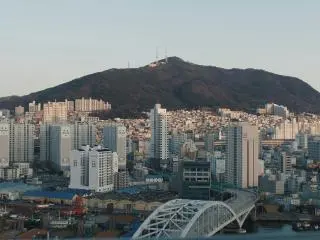
Busan, Korea, Republic of
South Korea's second most-populous city after Seoul, the economic, cultural and educational center of southeastern Korea. It hosted the APEC in 2005, the 2002 Asian Games and FIFA World Cup. It is home to the world's largest department store, the Shinsegae Centum City. Busan was added to the UNESCO Creative Cities Network as a "City of Film" in December 2014.
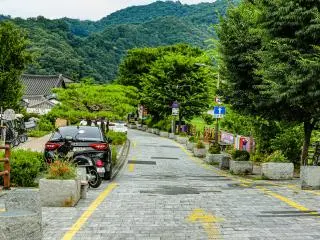
Gyeongju, Korea, Republic of
Gyeongju was the capital of the ancient kingdom of Silla (57 BC - 935 AD), which ruled about two-thirds of the Korean Peninsula at its height between the 7th and 9th centuries. A vast number of archaeological sites and cultural properties from this period remain in the city.
Seoul, Korea, Republic of
Seoul is the capital and largest metropolis of South Korea. The Seoul Capital Area, which includes the surrounding Incheon metropolis and Gyeonggi province, is the world's second largest metropolitan area with over 25.6 million people, home to over half of South Koreans along with 632,000 international residents.
Busan, Korea, Republic of
South Korea's second most-populous city after Seoul, the economic, cultural and educational center of southeastern Korea. It hosted the APEC in 2005, the 2002 Asian Games and FIFA World Cup. It is home to the world's largest department store, the Shinsegae Centum City. Busan was added to the UNESCO Creative Cities Network as a "City of Film" in December 2014.
Gyeongju, Korea, Republic of
Gyeongju was the capital of the ancient kingdom of Silla (57 BC - 935 AD), which ruled about two-thirds of the Korean Peninsula at its height between the 7th and 9th centuries. A vast number of archaeological sites and cultural properties from this period remain in the city.
Seoul, Korea, Republic of
Seoul is the capital and largest metropolis of South Korea. The Seoul Capital Area, which includes the surrounding Incheon metropolis and Gyeonggi province, is the world's second largest metropolitan area with over 25.6 million people, home to over half of South Koreans along with 632,000 international residents.
Enjoy a peaceful morning meditation, martial arts practice, and drum and bell ritual before exploring in Gyeongiu. On the city tour visit to the UNESCO site of Bulguksa Temple located on the slopes of Mount Toham and admire the national treasures there, such as Dabotap and Seokgatap stone pagodas, Cheongun-gyo, and two gilt-bronze statues of Buddha. Enjoy a visit to Yangdong Folk Village, a 500-year-old UNESCO site located in Gyeongju National Park, to get a feel for life during the early Joseon Dynasty. Afterwards, experience the oldest surviving astronomical observatory in Asia, Cheomseongdae Observatory, and the surrounding Royal Tombs. After a great day in Gyeongju, travel by private bus to Busan.
Today's activities
City Tour of Gyeongju
Visit sights around Gyeongju on an included tour. See the UNESCO site Bulguksa Temple, a head temple of the Jogye Order of Korean Buddhism and encompasses seven National treasures of South Korea.
Yangdong Folk Village
Get a fascinating look into life during the Joseon Dynasty on this visit to the Yangdong Folk Village. Founded in the early 1400s, the village boasts well-preserved buildings and has more than 160 homes displaying traditional Joseon architecture within a gorgeous natural setting.
Duration: 2-2.25 hour(s)
Cheomseongdae Observatory
Nestled in the heart of Gyeongju, the capital of the former Silla Kingdom, Cheomseongdae may not appear to be a monumental landmark. But this observatory tower that dates back to the seventh century is actually the oldest existing astronomical observatory in all of East Asia. Cheomseongdae was used for observing the stars in order to forecast the weather in the ancient scientific hub of Gyeongju.
Duration: 0.50 hour(s)
Daereungwon Tomb Complex
The Daereungwon Tomb complex in Gyeongju holds 23 tombs that are found inside of large mounds. The complex is beautiful with its rolling mounds and gardens, but the real treat can be found inside the tombs, the most famous being Cheonmachong and Hwangnamdaechong. Each tomb holds thousands of relics that gives us a window into the Silla Dynasty and its royal family. The contents of these tombs are over 1,500 years old and a great treasure to anyone who enjoys Korean history and artistic beauty.
Duration: 1 hour(s)
Private Vehicle
Settle in and scan the scenery from the convenience of a private vehicle.
Duration: 1.50 hour(s)
2 optional activities
Karaoke
You can't leave Korea without participating in the popular tradition of noraebang, karaoke rooms. Sing your heart out!
Jjimjilbang
Treat yourself in one of Busan's jjimjilbans, a Korean spa bath house, with an array of hot spring tubs to rejuvenate mind, body, and soul.
Admission: approx. USD 20 per person
Busan, Korea, Republic of
South Korea's second most-populous city after Seoul, the economic, cultural and educational center of southeastern Korea. It hosted the APEC in 2005, the 2002 Asian Games and FIFA World Cup. It is home to the world's largest department store, the Shinsegae Centum City. Busan was added to the UNESCO Creative Cities Network as a "City of Film" in December 2014.
Gyeongju, Korea, Republic of
Gyeongju was the capital of the ancient kingdom of Silla (57 BC - 935 AD), which ruled about two-thirds of the Korean Peninsula at its height between the 7th and 9th centuries. A vast number of archaeological sites and cultural properties from this period remain in the city.
Seoul, Korea, Republic of
Seoul is the capital and largest metropolis of South Korea. The Seoul Capital Area, which includes the surrounding Incheon metropolis and Gyeonggi province, is the world's second largest metropolitan area with over 25.6 million people, home to over half of South Koreans along with 632,000 international residents.
Gyeongju, Korea, Republic of
Gyeongju was the capital of the ancient kingdom of Silla (57 BC - 935 AD), which ruled about two-thirds of the Korean Peninsula at its height between the 7th and 9th centuries. A vast number of archaeological sites and cultural properties from this period remain in the city.
Busan, Korea, Republic of
South Korea's second most-populous city after Seoul, the economic, cultural and educational center of southeastern Korea. It hosted the APEC in 2005, the 2002 Asian Games and FIFA World Cup. It is home to the world's largest department store, the Shinsegae Centum City. Busan was added to the UNESCO Creative Cities Network as a "City of Film" in December 2014.
Gyeongju, Korea, Republic of
Gyeongju was the capital of the ancient kingdom of Silla (57 BC - 935 AD), which ruled about two-thirds of the Korean Peninsula at its height between the 7th and 9th centuries. A vast number of archaeological sites and cultural properties from this period remain in the city.
Seoul, Korea, Republic of
Seoul is the capital and largest metropolis of South Korea. The Seoul Capital Area, which includes the surrounding Incheon metropolis and Gyeonggi province, is the world's second largest metropolitan area with over 25.6 million people, home to over half of South Koreans along with 632,000 international residents.
Busan, Korea, Republic of
South Korea's second most-populous city after Seoul, the economic, cultural and educational center of southeastern Korea. It hosted the APEC in 2005, the 2002 Asian Games and FIFA World Cup. It is home to the world's largest department store, the Shinsegae Centum City. Busan was added to the UNESCO Creative Cities Network as a "City of Film" in December 2014.
Spend the day getting to know colourful Busan visiting the 14th century seaside temple hidden in the rocks - Haedong Yonggungsa. After exploring the temple, visit the colourful Gamcheon Culture Village, the bustling Jagalchi fish market, Gukjesijang market, and Yongdusan Park. The evening is yours to explore as you wish. Opt to take a see the Busan skyline with a nighttime yacht experience or ride the Coastal Monorail.
Today's activities
Busan City Tour
Get to know the city. Explore Busan, visiting the sights.
Duration: 2 hour(s)
Haedong Yonggungsa Temple Visit
Originally built in 1376, this picturesque, cliffside Buddhist temple overlooks the East China Sea. Opt to grab a bizarre local snack at the traditional market. Legend foretells that should you pray here, at least one of your wishes will come true.
Duration: 1 hour(s)
Gamcheon Culture Village
Explore the pastel-coloured village of Gamcheon, nestled in the side of a mountain, with uniquely painted houses, murals, cafes, and shops.
Duration: 1 hour(s)
Yongdusan Park Visit
Visit Yongdusan Park, home to more than 70 different types of trees, and see the 118m (387 ft) high Busan Tower. The park's unique shape is said to look like a dragon's head.
Gukje Traditional Market
Gukjesijang or Gukje Market is nestled near Biff Square, a well-known modern movie district in Busan. The market once was a place for refugees to earn a living over the period of the Korean War. Now, it's a bustling international market where loads of food, home goods, clothes, souvenirs and more can be found.
Duration: 0.50 hour(s)
Jagalchi Fish Market
Discover this market and major attraction at Nampo Port. Wander through the rows of stalls selling everything you can dream of from the sea. Watch as locals haggle for the best price and fishmongers hawk their wares.
Duration: 0.50 hour(s)
2 optional activities
Night Yacht Ride
Spend an evening admiring the coastline of Busan while cruising from the deck of a yacht.
Busan Monorail Ride
Take a ride on the Haeundae Sky Capsule for a stunning view of the city.
Busan, Korea, Republic of
South Korea's second most-populous city after Seoul, the economic, cultural and educational center of southeastern Korea. It hosted the APEC in 2005, the 2002 Asian Games and FIFA World Cup. It is home to the world's largest department store, the Shinsegae Centum City. Busan was added to the UNESCO Creative Cities Network as a "City of Film" in December 2014.
In the seaside city of Busan, visit Haeundae Beach and Dongbaekseom Island, before traveling back to Seoul. After arriving in Seoul by train, check out Korea's oldest traditional market - Namdaemun Market. Then make your way by cable car to N Seoul Tower to see this beautiful landmark and opt to make the trip up to the observation deck. Spend the rest of your day in Seoul opting to see Banpo Bridge, the floating islands, or hanging out in the Gangnam district.
Today's activities
Haeundae Beach and Dongbaek Island (APEC House) Visit
Visit Haeundae Beach, one of Korea's most beautiful beaches. Enjoy a walk along the shore, or take a swim (don't forget your suit!) And see the famed APEC House built to host the Asia-Pacific Economic Corporation (APEC) summit meeting in 2005 on Dongbaek Island.
Bullet Train
Get to your next destination faster than the speed of light (ok maybe not that fast) aboard a high-speed train.
Duration: 2.50 hour(s)
Namdaemun Market Visit
Dating back to 1414, this is Korea's oldest traditional market and it's largest, with over 10,000 vendors spanning several city blocks. Get ready to shop!
N Seoul Tower Visit
Take the cable car to visit the most iconic landmark in Seoul. Located at the top of Mt Namsan, and standing at 480m above sea level, what used to be a broadcasting station before it was open to the public, is now a beautiful observatory. Please note: If you'd like to go up the tower to the observatory, an additional fee is required.
4 optional activities
N Seoul Tower Observatory
Namsan Seoul Tower Observatory allows for an incredible 360 degrees panoramic view of Seoul. The top of the tower is 480m above sea level, including Namsan Mountain (243m) and the tower's own height (236.7m). It has quickly become a well-known landmark in Seoul and has appeared in lots of smash-hit K-dramas and movies.
Admission: approx. KRW 16,000 per person
Gangnam District Visit
Gangnam has plenty to do and see in this historically rich, fast-developing neighbourhood. Gangnam Station is the busiest subway station in Seoul and has a huge underground shopping centre, so feel free to shop until you drop. Choose to visit Bongeunsa, a Buddhist Temple in the centre of Gangnam, or enjoy the nightlife and restaurants in this area.
Floating Island Visit
The floating island is a culture complex made up of three man-made floating islands located near one end of the Banpo Bridge. LED lights surround the islands and create a fantastic night view - a must see if you're in Seoul!
Banpo Bridge Rainbow Fountain
Banpo Bridge is home to the Moonlight Rainbow Fountain Show and is the world's longest bridge fountain. Nearly 10,000 LED lights and 380 water spraying nozzles make up this beautiful show of water, music, and lights. During the day, the fountain shows a hundred different configurations meant to evoke waving willow branches and willow leaves. When the sun goes down, the fountain is illuminated as it sends out dancing, rainbow-coloured jets of water in the air in synchronization with music.
Admission: approx. null 0 per person
Busan, Korea, Republic of
South Korea's second most-populous city after Seoul, the economic, cultural and educational center of southeastern Korea. It hosted the APEC in 2005, the 2002 Asian Games and FIFA World Cup. It is home to the world's largest department store, the Shinsegae Centum City. Busan was added to the UNESCO Creative Cities Network as a "City of Film" in December 2014.
Seoul, Korea, Republic of
Seoul is the capital and largest metropolis of South Korea. The Seoul Capital Area, which includes the surrounding Incheon metropolis and Gyeonggi province, is the world's second largest metropolitan area with over 25.6 million people, home to over half of South Koreans along with 632,000 international residents.
Visit the Demilitarized Zone (DMZ), founded in 1953, separating North and South Korea. With over a million soldiers on watch each day, it is one of the last remnants of the Cold War. With a buffer zone 4km wide and spanning 250 km long there has been very little development in the area, therefore nature and wildlife have pretty much taken over. Spend about 3-4 hours visiting the Demilitarized Zone, then head to The War Memorial of Korea. Later, return back to Seoul for another night in the city.
Opt to visit the Samsung Leeum Contemporary Gallery, explore the Itaewon neighbourhood, or prebook the Kimchi making and Hanbok experience.
Today's activities
Private Vehicle
Settle in and scan the scenery from the convenience of a private vehicle.
Duration: 1.50 hour(s)
Korean Demilitarized Zone (DMZ) Visit
Visit the Demilitarized Zone (DMZ) the de facto border between North and South Korea, which cuts the peninsula in half. Created in 1953, it is the most heavily militarized border in the world.
The War Memorial Hall of Korea
If you love history - dive right into The War Memorial of Korea. The memorial building serves to exhibit and memorialize the military history of Korea and preserve materials related to the Korean War. Divided into indoor and outdoor exhibits containing about 9,000 artifacts, there sure is a lot to see here!
Duration: 1.50 hour(s)
3 optional activities
Kimchi & Hanbok Experience
An instructor will walk you through the Kimchi making process, after which you will make your own with various seasonings to be made to your liking. Also, choose to try wearing various kinds of Hanbok, a traditional Korean dress for semi-formal or formal attire during traditional occasions such as festivals, celebrations, and ceremonies. There will be hair accessories and hats as well if you'd like to have the full Korean experience and take some photos!
Admission: approx. USD 25-89 per person
Duration: approx. 2 hour(s)
Samsung Leeum Gallery
Admire the modern architecture of the Samsung Leeum building and the contemporary exhibits inside.
Itaewon Neighbourhood Visit
Get into the grit of things with a visit to Seoul's Itaewon neighbourhood, the happening place to go. Immerse yourself in bars, clubs, restaurants, and shops, selling everything from tailored suits to furniture, jewelry, and pottery.
Admission: approx. null 0 per person
Seoul, Korea, Republic of
Seoul is the capital and largest metropolis of South Korea. The Seoul Capital Area, which includes the surrounding Incheon metropolis and Gyeonggi province, is the world's second largest metropolitan area with over 25.6 million people, home to over half of South Koreans along with 632,000 international residents.
Say annyeong to South Korea and konnichiwa to Japan as we depart one incredible place and start our adventure in a new one. Upon arrival in Osaka, take some time to rest or explore on your own. There aren't any activities today until the evening where you'll join your CEO and group for a Japan Welcome Meeting.
Today's activities
Plane
Look! Up in the sky! It's a bird! It's a plane! It's... yup, it is a plane, actually.
Duration: 1.75-2 hour(s)
Distance: 830 km
Meet Your CEO and Group
Your opportunity to meet your CEO and fellow travellers, and learn more about your tour. Opt to join the group for a local meal afterwards. Don't forget to see the notice in the lobby (or ask reception) for the official time and place to meet up with the group.
Duration: 1 hour(s)
Seoul, Korea, Republic of
Seoul is the capital and largest metropolis of South Korea. The Seoul Capital Area, which includes the surrounding Incheon metropolis and Gyeonggi province, is the world's second largest metropolitan area with over 25.6 million people, home to over half of South Koreans along with 632,000 international residents.
Osaka, Japan
Osaka is a designated city in the Kansai region of Japan. It is the capital city of Osaka Prefecture and the largest component of the Keihanshin Metropolitan Area, the second largest metropolitan area in Japan.
Travel to the centre of Buddhism in Japan and sleep in a temple atop the 800m Mt Koya. Savour a traditional dinner of shojin ryori (Buddhist vegetarian cuisine).
Journey to Mt Koya, a religious centre founded in 816 by the Buddhist monk Kobo Daishi. The train ride up the mountain is possibly one of the finest rail journeys in Japan. For the final steep ascent, switch to funicular and then hop on a bus to reach the monastery.
In the evening, dine on shojin-ryori, typical vegetarian cuisine, and relax in a yukata, or kimono.
In the evening, dine on shojin-ryori, typical vegetarian cuisine, and relax in a yukata, or kimono.
While we ride the bullet train, your main luggage will be sent on Japan's takkyubin service (luggage transfer) to the next destination. Please note, you will NOT have access to your main luggage for approximately 24 hours. You must pack an overnight bag with everything you'll need until you're reunited with your luggage the following day. Only one bag per passenger is permitted on the luggage transfer. If you have more, there will be an additional charge at the traveler's expense.
Today's activities
Train
Climb aboard, take a seat, and enjoy the ride.
Switch to a funicular for the last stretch of the journey.
Duration: 3 hour(s)
Overnight in Mount Koya Temple
During the overnight stay in the mountain temple, witness the routines of the monks and dine on typical fare. Explore the temples and moss covered Oku-no-in cemetery in the afternoon an in the evening, savour the shojin-ryori vegetarian cuisine. Early morning at the temple offers the chance to observe the monks praying, before a vegetarian breakfast. Breathe the fresh mountain air and soak in the beautiful surroundings.
Osaka, Japan
Osaka is a designated city in the Kansai region of Japan. It is the capital city of Osaka Prefecture and the largest component of the Keihanshin Metropolitan Area, the second largest metropolitan area in Japan.
Koyasan, Japan
Koyasan, the headquarters of Shingon Buddhism, is a sacred mountain town with numerous temples and serene forests, offering temple lodging and spiritual experiences.
Watch the monks pray in the morning and enjoy a traditional breakfast. Have some time to enjoy Koyasan this morning, before travelling to Hiroshima this afternoon.
Early morning offers the chance to observe the monks praying. Breathe in some fresh mountain air before a vegetarian breakfast, then start the journey back down the mountain via bus, train and funicular.
Later, board a train to Hiroshima, a historically significant city, marked by the explosion of the first atomic bomb in 1945.
Later, board a train to Hiroshima, a historically significant city, marked by the explosion of the first atomic bomb in 1945.
Today's activities
Bullet Train
Get to your next destination faster than the speed of light (ok maybe not that fast) aboard a high-speed train.
Duration: 5 hour(s)
Oku-no-in Cemetery Visit
Oku-no-in is the most sacred site in Koyasan and the location of the mausoleum for Kobo Daishi (also known as Kukai), the founder of Shingon Buddhism. The area is surrounded by a massive cemetery, the largest in Japan. With over 200,000 tombstones lining the almost 2km path to Kobo Daishi's mausoleum, there is plenty of area to explore. Be sure to see Torodo Hall (Hall of Lamps), the main place of worship, where more than 10,000 lanterns are kept burning day and night.
Koyasan, Japan
Koyasan, the headquarters of Shingon Buddhism, is a sacred mountain town with numerous temples and serene forests, offering temple lodging and spiritual experiences.
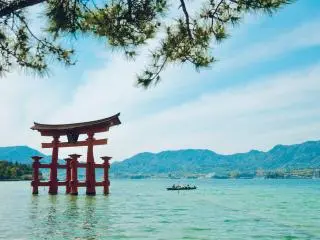
Hiroshima, Japan
The capital of Hiroshima Prefecture in Japan.As of August 2016, the city has an estimated population of 1,196,274. Hiroshima was the first city targeted by a nuclear weapon, when the United States Army Air Forces (USAAF) dropped an atomic bomb on the city at 8:15 a.m. on August 6, 1945, near the end of World War II.
Koyasan, Japan
Koyasan, the headquarters of Shingon Buddhism, is a sacred mountain town with numerous temples and serene forests, offering temple lodging and spiritual experiences.
Hiroshima, Japan
The capital of Hiroshima Prefecture in Japan.As of August 2016, the city has an estimated population of 1,196,274. Hiroshima was the first city targeted by a nuclear weapon, when the United States Army Air Forces (USAAF) dropped an atomic bomb on the city at 8:15 a.m. on August 6, 1945, near the end of World War II.
This morning, visit the Peace Park and Memorial Museum commemorating the events of 1945. In the afternoon, take a ferry ride over to the sacred island of Miyajima to see the famous floating Torii Gate. Opt to hike around Mt Misen.
Today's activities
Hiroshima Park and Peace Memorial
Walk through the Peace Park in the centre of Hiroshima, a living memorial dedicated to the tens of thousands who died from the atomic bomb blast in 1945. Visit the statue of Sadako Sasaki, a young girl who died of leukemia as a result of the bomb blast, despite folding 1,000 origami paper cranes to appeal to the gods to make her well. See the frame of the Gembaku Dome, the sole building to withstand the explosion. Reflect, remember, and be reminded of the power we all hold to create peace.
Ferry
Hop a ferry to reach the island and journey back in the evening.
Miyajima Island Visit
Take a trip to Miyajima Island, famed as one of Japan's most scenic spots, with a free afternoon to explore. See the famous floating Torii Gate, set out in the bay, which glows extraordinarily at sunset. The island is dotted with shrines and temples, populated by deer, and traversed with hiking trails for those who want to get some exercise. There are also lanes full of souvenirs and tasty treats. Visit Miyajima at your own pace, and have the option to hike up to the peak of the island, Mt Misen, to see spectacular views of the surrounding islands.
Free Time
Free time on Miyajima Island to make the most of this beautiful location.
1 optional activities
Mt. Misen Visit
Set out for the summit of Mt. Misen, Miyajima's highest peak at 500m (1,640 ft) above sea level. Opt to hike one of three trails through the forest and keep an eye out for wild deer or catch a ride on the ropeway and walk the remaining distance to the top. Take in great views of the Seto Inland Sea and on a clear day see as far as the city of Hiroshima.
Admission: approx. JPY 0-2,000 per person
Duration: approx. 1.50 hour(s)
Distance: approx. 2-6 km
Hiroshima, Japan
The capital of Hiroshima Prefecture in Japan.As of August 2016, the city has an estimated population of 1,196,274. Hiroshima was the first city targeted by a nuclear weapon, when the United States Army Air Forces (USAAF) dropped an atomic bomb on the city at 8:15 a.m. on August 6, 1945, near the end of World War II.
Hatsukaichi, Japan
Hatsukaichi is a city in Hiroshima Prefecture, Japan, famous for the UNESCO World Heritage site Itsukushima Shrine. It offers beautiful coastal scenery and rich cultural traditions.
Hiroshima, Japan
The capital of Hiroshima Prefecture in Japan.As of August 2016, the city has an estimated population of 1,196,274. Hiroshima was the first city targeted by a nuclear weapon, when the United States Army Air Forces (USAAF) dropped an atomic bomb on the city at 8:15 a.m. on August 6, 1945, near the end of World War II.
Travel to Kyoto and start exploring. Visit the impressive Nijo Castle and gardens, a UNESCO World Heritage Site. In the evening, explore the geisha district of Gion on a CEO-led walking tour.
Please note the Ninomaru Palace at Nijo Castle will be closed from Dec 26-Jan 3. Groups travelling during this time will visit the Kiyomizu-dera Temple.
Today's activities
Bullet Train
Get to your next destination faster than the speed of light (ok maybe not that fast) aboard a high-speed train.
Duration: 1.50 hour(s)
Local Train
Climb aboard, take a seat, and enjoy the ride.
Duration: 1 hour(s)
Gion Walk
Walk through Gion, Kyoto's most famous geisha district. Visit shops, restaurants and ochaya (teahouses), where geiko (Kyoto dialect for geisha) and maiko (geiko apprentices) entertain.
Nijo Castle and Gardens Visit
Visit the Nijo Castle, the residence of the first shogun of the Edo Period built in 1603. Now a UNESCO World Heritage Site, the property is divided into three areas: the Honmaru (main circular fortification), Ninomaru (secondary circle of defense), and the gorgeous gardens that surround both.
Hiroshima, Japan
The capital of Hiroshima Prefecture in Japan.As of August 2016, the city has an estimated population of 1,196,274. Hiroshima was the first city targeted by a nuclear weapon, when the United States Army Air Forces (USAAF) dropped an atomic bomb on the city at 8:15 a.m. on August 6, 1945, near the end of World War II.
Osaka, Japan
Osaka is a designated city in the Kansai region of Japan. It is the capital city of Osaka Prefecture and the largest component of the Keihanshin Metropolitan Area, the second largest metropolitan area in Japan.
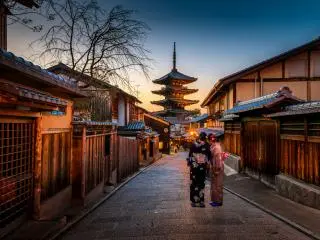
Kyoto, Japan
For over 1,000 years, Kyoto was the imperial capital of Japan. Today, its economy is based around information technology. It is home to the Nintendo headquarters, one of the world's most popular video game corporations.
Enjoy a visit to the beautiful Fushimi Inari Taisha shrine and walk under the bright torii gates. Opt to shop, stroll along the riverbank, or explore another of Kyoto's many temples with free time.
Today's activities
Fushimi Inari Taisha Shrine Visit
Visit the Fushimi Inari shrine, located just outside of Kyoto. Walk under the thousands of iconic torii gates (as seen in the film Memoirs of a Geisha) and enjoy the peaceful atmosphere. The shrine itself is at the base of the Inari mountain but includes many trails up to smaller shrines in the area.
Free Time
Continue exploring Japan's historic capital with some free time.
1 optional activities
Zen Gardens of Ryoan-ji
The Ryoan-ji garden is one of the best examples of kare-sansui, or dry landscape, a type of Zen garden. Fifteen large rocks are placed within a sea of white pebbles raked into linear patterns to facilitate meditation. Stand on the platform to get the best view from above. Stroll the grounds around the Ryoan-ji Temple and along the Kyoyo-chi pond.
Admission: approx. JPY 600 per person
Kyoto, Japan
For over 1,000 years, Kyoto was the imperial capital of Japan. Today, its economy is based around information technology. It is home to the Nintendo headquarters, one of the world's most popular video game corporations.
Take a boat ride on Lake Ashino-ko, and hopefully catch a glimpse of majestic Mt Fuji. Enjoy a feast on a traditional Japanese kaiseki meal then soak in the natural hot springs.
Travel to Hakone, a town in the hills famous for its onsens, or natural hot springs.
In the evening, enjoy savouring a complex meal of traditional Japanese foods, followed by a recommended soak in the onsen.
In the evening, enjoy savouring a complex meal of traditional Japanese foods, followed by a recommended soak in the onsen.
While we ride the bullet train, your main luggage will be sent on Japan's takkyubin service (luggage transfer) to the next destination. Please note, you will NOT have access to your main luggage for approximately 24 hours. You must pack an overnight bag with everything you'll need until you're reunited with your luggage the following day. Only one bag per passenger is permitted on the luggage transfer. If you have more, there will be an additional charge at the traveler's expense.
Today's activities
Bullet Train
Get to your next destination faster than the speed of light (ok maybe not that fast) aboard a high-speed train.
Duration: 3 hour(s)
Local Bus
Climb aboard, grab a seat, and enjoy the ride.
Duration: 0.50 hour(s)
Lake Ashino-ko Boat Ride
Hop aboard a passenger boat to cruise the waters of Lake Ashinoko. If you are lucky, on a clear day you can capture a view of Mt Fuji. The lake was formed from the caldera of Mt Hakone following its eruption 3000 years ago. Sit back, relax and enjoy.
Duration: 0.50 hour(s)
Traditional Kaiseki Meal
Savour a complex meal of traditional Japanese foods, then finish the day with a soak in the onsen.
Kyoto, Japan
For over 1,000 years, Kyoto was the imperial capital of Japan. Today, its economy is based around information technology. It is home to the Nintendo headquarters, one of the world's most popular video game corporations.
Odawara, Japan
Odawara is a town situated on Sagami Bay along the Tokaido Line coast, fairly close to Mt. Fuji. It is best know for the beautiful Odawara Castle, and for being the gateway to the Hakone hot springs resort area, and the Fuji-Hakone National Park.
Hakone, Japan
Hakone, in Japan's Fuji-Hakone-Izu National Park west of Tokyo, is a mountainous town known for its hot springs resorts (onsen) and views of the iconic volcano Mount Fuji.
Head to Tokyo with time to do some last-minute shopping.
Arrive before noon to Tokyo, with time to explore this energetic metropolis.
Opt to visit Ueno park and the museums, Akihabara for cutting edge electronics, Harajuku for funky fashions, Ginza for the highest of the high end, walk the grounds of the Imperial Palace East Garden, or just stroll the streets, looking for the traditional life that still lies just under the modern surface.
Opt to visit Ueno park and the museums, Akihabara for cutting edge electronics, Harajuku for funky fashions, Ginza for the highest of the high end, walk the grounds of the Imperial Palace East Garden, or just stroll the streets, looking for the traditional life that still lies just under the modern surface.
Today's activities
Free Time
With so much to do, start exploring now.
Local Train
Climb aboard, take your seat, and get around like the locals do.
5 optional activities
Ginza Shopping
The Ginza district is Tokyo's equivalent of Fifth Avenue in New York. Window shop at Chanel, Dior, Gucci and Louis Vuitton, then check out the latest electronics at the Sony showroom or Apple store. Visit the Wako department store with its historic clock tower, housed in a building that dates back to 1894. If you are there on a weekend, head to Ginza's main street where pedestrians rule without Tokyo's traffic.
Admission: approx. null 0 per person
Imperial Palace East Gardens Walk
The Imperial Palace in Tokyo's city centre is home to Japan's Emperor and Empress. It is surrounded by a moat and three gardens, all open to the public. Stroll throughout the grounds, admire the azaleas and hydrangeas (when in season), discover the original stone wall that surrounded the palace back in 17th to 19th centuries during the days when samurai warriors defended the ruler. Visit nearby Sannomaru-Shozo-kan museum and see exquisite kimonos and Japanese paintings.
Admission: approx. null 0 per person
Senso-ji Temple Visit
Explore Senso-ji Temple, a colourful Buddhist temple and the oldest temple in the entire city. Leading up to the temple the street is lined with shops selling yummy food and great souvenirs.
Admission: approx. null 0 per person
Ueno Park Visit
As Japan's most popular city park, Ueno is known for its museums and cherry blossoms. Stroll the pathways, admire the thousands of trees, including approximately 800 Somei-yoshino cherry trees, look for lotus on the pond, or opt to visit the temples and museums (entrance fees).
Admission: approx. JPY 0 per person
Meiji Shrine Visit
Visit this shrine dedicated to the 123rd emperor of Japan, Emperor Meiji and his wife. The shrine is a great place to escape the bustle of the city and wander the grounds along the wide walking paths.
Admission: approx. JPY 0-1,000 per person
Hakone, Japan
Hakone, in Japan's Fuji-Hakone-Izu National Park west of Tokyo, is a mountainous town known for its hot springs resorts (onsen) and views of the iconic volcano Mount Fuji.
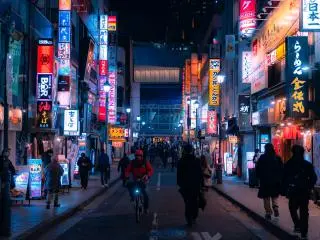
Tokyo, Japan
One of the 47 prefectures of Japan and has been the capital since 1869. The Greater Tokyo Area is the most populous metropolitan area in the world. It is the seat of the Emperor of Japan, the Japanese government and the National Diet.
Hakone, Japan
Hakone, in Japan's Fuji-Hakone-Izu National Park west of Tokyo, is a mountainous town known for its hot springs resorts (onsen) and views of the iconic volcano Mount Fuji.
Tokyo, Japan
One of the 47 prefectures of Japan and has been the capital since 1869. The Greater Tokyo Area is the most populous metropolitan area in the world. It is the seat of the Emperor of Japan, the Japanese government and the National Diet.
Depart at any time.
We highly recommend booking post-accommodation to fully experience this vibrant city.
Tokyo, Japan
One of the 47 prefectures of Japan and has been the capital since 1869. The Greater Tokyo Area is the most populous metropolitan area in the world. It is the seat of the Emperor of Japan, the Japanese government and the National Diet.
Includes & Excludes
Price Includes
Price Excludes
Additional Notes
- Checklist Cold Weather:
* Long-sleeved shirts or sweater
* Scarf
* Warm gloves
* Warm hat
* Warm layers
* Warm waterproof jacket
Documents:
* Flight info (required) (Printouts of e-tickets may be required at the border)
* Insurance info (required) (With photocopies)
* Passport (required) (With photocopies)
* Vouchers and pre-departure information (required)
* Visas or vaccination certificates (With photocopies)
Essentials:
* Footwear (required) (Closed toe suggested)
* Toiletries (required) (Shampoo, bodywash, soap, etc.)
* Binoculars (optional)
* Camera (With extra memory cards and batteries)
* Cash, credit and debit cards
* Day pack (Used for daily excursions or short overnights)
* Ear plugs
* First-aid kit (should contain lip balm with sunscreen, sunscreen, whistle, Aspirin, Ibuprofen, bandaids/plasters, tape, anti-histamines, antibacterial gel/wipes, antiseptic cream, Imodium or similar tablets for mild cases of diarrhea, rehydration powder, water purification tablets or drops, insect repellent, sewing kit, extra prescription drugs you may be taking)
* Flashlight/torch (Headlamps are ideal)
* Fleece top/sweater
* Hat
* Headphones (Noise-cancelling recommended)
* Locks for bags
* Long pants/jeans
* Moneybelt
* Outlet adapter
* Personal entertainment (Reading and writing materials, cards, music player, etc.)
* Reusable water bottle
* Shirts/t-shirts
* Sleepwear
* Small travel towel
* Sunglasses
* Swimwear
* Watch and alarm clock
* Waterproof backpack cover
* Windproof rain jacket
Health & Safety:
* Face masks (Clients will be only be required to wear a face mask where it is mandated by local regulations.)
* Hand sanitizer
* Pen (Please bring your own pen for filling out documents.)
Warm Weather:
* Sandals/flip-flops
* Shorts/skirts (Longer shorts/skirts are recommended)
* Sturdy water shoes/sandals
* Sun hat/bandana
* Swimwear - Group Size Notes Max 16, avg 12.
- Optional Activities Seoul
- Gwangjang Market Visit
- Seoul Museum of History Visit (Free)
- N Seoul Tower Observatory (16000KRW per person)
- Gangnam District Visit
- Floating Island Visit
- Banpo Bridge Rainbow Fountain (Free)
- Kimchi & Hanbok Experience (25-89USD per person)
- Samsung Leeum Gallery
- Itaewon Neighbourhood Visit (Free)
Busan
- Karaoke
- Jjimjilbang (20USD per person)
- Night Yacht Ride
- Busan Monorail Ride
Miyajima
- Mt. Misen Visit (Free-2000JPY per person)
Kyoto
- Zen Gardens of Ryoan-ji (600JPY per person)
Tokyo
- Ginza Shopping (Free)
- Imperial Palace East Gardens Walk (Free)
- Ueno Park Visit (Free)
- Meiji Shrine Visit (Free-1000JPY per person)
Asakusa
- Senso-ji Temple Visit (Free) - Start / Finish Seoul to Tokyo
Policies
Minimum Age You must be 18 to travel unaccompanied on a TakeTours tour. For minors travelling with a guardian over 21 years old, the minimum age is 12.
Q & A
Popular FAQs
Immerse yourself in the serene and spiritual atmosphere with an overnight stay at a traditional temple, Experience Japanese hospitality and tradition with a stay in a cozy ryokan. Enjoy leisure time exploring the vibrant attractions, cuisine, and culture of both Tokyo and Seoul, Reflect on history and hope for peace at Hiroshima Peace Park, Walk through the iconic red torii gates of the stunning Fushimi Inari Shrine
The information in this trip details document has been compiled with care and is provided in good faith. However it is subject to change, and does not form part of the contract between the client and the operator. The itinerary featured is correct at time of printing. It may differ slightly to the one in the brochure. Occasionally our itineraries change as we make improvements that stem from past travellers, comments and our own research. Sometimes it can be a small change like adding an extra meal along the itinerary. Sometimes the change may result in us altering the tour for the coming year. Ultimately, our goal is to provide you with the most rewarding experience. Please note that our brochure is usually released in November each year. If you have booked from the previous brochure you may find there have been some changes to the itinerary.
VERY IMPORTANT: Please ensure that you view a final copy of your Trip Details a couple of days prior to travel, in case there have been changes that affect your plans.
VERY IMPORTANT: Please ensure that you view a final copy of your Trip Details a couple of days prior to travel, in case there have been changes that affect your plans.
While it is our intention to adhere to the route described below, there is a certain amount of flexibility built into the itinerary and on occasion it may be necessary, or desirable to make alterations. The itinerary is brief, as we never know exactly where our journey will take us. Due to our style of travel and the regions we visit, travel can be unpredictable. The Trip Details document is a general guide to the tour and region and any mention of specific destinations or wildlife is by no means a guarantee that they will be visited or encountered. Aboard expedition trips visits to research stations depend on final permission.
Additionally, any travel times listed are approximations only and subject to vary due to local circumstances.
Additionally, any travel times listed are approximations only and subject to vary due to local circumstances.
Luggage size restriction - Effective from May 2020 onwards
All TakeTours tours in Japan use the world-famous Shinkansen bullet trains, which have a restriction on maximum luggage size. Your luggage must be less than 160cm in total. This is roughly the size that most airline companies consider as "carry-on baggage" and allow in overhead storage compartments.
We strongly recommend bringing a day pack or backpack to use during the day, in addition to your carry-on sized luggage. Please see "What to take" under Tour details for more information.
1. The most convenient way to get around Japan and South Korea is by public transportation and on foot. The countries' train system are often considered the best in the entire world so the majority of our trips utilize these efficient train networks. In this tour, you will need to be able to spend the majority of the day on your feet and carry your luggage through busy train stations and streets. On average, tours in Japan walk about 15,000 steps a day. Please ensure you are fit enough to carry your own luggage and spend most of the day on your feet.
2. COMBO TRIP
Please note that this tour combines with other TakeTours tours. As such, the staff and some travel companions on your tour may have previously been traveling together with TakeTours, prior to Day 1 of your tour. Likewise, some staff and travel companions may be continuing together on another TakeTours tour, after your trip concludes.
3. Tattoos
Tattoos are not common or widely accepted in Japan. There is no cause for concern, but do your best to cover your tattoos when possible and note that you may not be permitted to enter public spas or onsens (hot springs).
4. Luggage size restriction - Effective from May 2020 onwards
All TakeTours tours in Japan use the world-famous Shinkansen bullet trains, which have a restriction on maximum luggage size. Your luggage must be less than 160cm in total. This is roughly the size that most airline companies consider as "carry-on baggage" and allow in overhead storage compartments.
We strongly recommend bringing a day pack or backpack to use during the day, in addition to your carry-on sized luggage. Please see "What to take" under Tour details for more information.
5. ACCOMMODATION NOTE:
Please be aware that properties we stay in with only two stories may not have elevators installed and climbing the stairs with your luggage will be necessary.
All TakeTours group trips are accompanied by one of our Chief Experience Officers (CEO). The aim of the CEO is to take the hassle out of your travels and to help you have the best trip possible. They will provide information on the places you are travelling through, offer suggestions for things to do and see, recommend great local eating venues and introduce you to our local friends. While not being guides in the traditional sense you can expect them to have a broad general knowledge of the countries visited on the trip, including historical, cultural, religious and social aspects. We also use local guides where we think more specific knowledge will add to the enjoyment of the places we are visiting - we think it's the best of both worlds.
Max 16, avg 12.
10 breakfasts, 3 dinners
Plane, Bullet train, tram, ferry, public bus, walking.
Japan's reliable public transportation is the best option for both the environment and for experiencing Japan like a local! We will ride several forms of transportation throughout the country, from Shinkansen bullet trains, to subways, funiculars, local trains, and buses. Note that often times we will have to carry our luggage from one mode of transport to another, so please consider this whilst packing.
All local flights are included in the cost of your tour unless otherwise noted. It is important that we have your passport information at the time of booking in order to process these tickets. Internal flight tickets are issued locally and will be given to you prior to the flight departure.
We believe solo travellers should not have to pay more to travel so our group trips are designed for shared accommodation and do not involve a single supplement. Single travellers joining group trips are paired in twin or multi-share accommodation with someone of the same sex for the duration of the trip. Some of our Independent trips are designed differently and solo travellers on these itineraries must pay the single trip price.
Hotels (13 nts), mountain monastery (1 nt, shared facilities) temple (1 nt).
Night 3 (Temple stay).
ACCOMMODATION NOTE:
Please be aware that properties we stay in with only two stories may not have elevators installed and climbing the stairs with your luggage will be necessary.
Japan is one of the most populous countries in the world and space is at a premium. Therefore, hotels rooms are small! Additionally, most Japanese hotels do not have designated non-smoking rooms. Therefore, we ask hotels to deoderise rooms before check in.
Ryokan are traditional inns found across Japan. Featuring tatami floors (soft mats of woven straw), futon beds, Japanese-style baths, cotton kimono (casual robe worn to lounge around or to head to the bath), and elaborate meals (often served in the comfort of your own room), a ryokan is the perfect place to experience traditional customs and hospitality. As ryokan are usually top tier accommodations, most guests stay only one night, often to celebrate a special occasion or holiday. Don't be intimidated by the formalities inherent to a stay at a ryokan, your hosts will welcome you the same way they do all their guests. Have fun and enjoy this relaxing opportunity to learn more about Japan's unique customs.
Minshuku are Japan's answer to the Western bed and breakfast. Similar to ryokan, they have traditional features like tatami floors, futon beds, and Japanese-style baths. Minshuku are often family-run, and as such they offer a great opportunity to interact with local people and learn more about the nation's customs. More affordable and simpler than ryokan, minshuku tend to have smaller guestrooms, shared bathroom facilities, and any included meals (traditional, local, and delicious) are served in a communal dining room.
Please note that some of the traditional Japanese inns used on this tour only offer shared bathing facilities. This means that individual shower stalls will not be available, instead several shower stations are available in an open, same-sex bathing area. Shared bathhouses and onsen (hot springs) are an essential part of Japan's culture, traditionally serving as a place for men or women to gather, relax, and discuss the days happenings.
For details of your joining hotel please refer to your tour voucher, TakeTours Account, the TakeTours App or contact your travel agent.
If you would like to book an airport Arrival transfer for your tour, please contact our Sales Team or your Travel Agent in advance of travel.
If you have paid in advance for an arrival transfer, a TakeTours representative will be at the airport to meet you. If for any reason you are not met at the airport, please call our local support line. If you are unable to make contact for whatever reason, please make your way to the joining point hotel via taxi.
IMPORTANT: for South Korea arrival transfers, we will NOT be able to accept any pick-up schedule changes between the hours of 23:00 - 0700, within 24 hours of your scheduled arrival.
If you experience a schedule change between these hours, please take a taxi to your starting hotel.
Alternatively, you can take the Airport Bus.
If arriving into Terminal 1, you can purchase tickets and get information at the bus ticket offices indoor and outdoor on the 1st floor of Passenger Terminal 1. If arriving into Terminal 2, you can purchase bus tickets and get information at ticketing offices indoors on The 2nd Transportation Center (B1).
Please note that day 1 is an arrival day and no activities have been planned on this day.
Upon arrival to your Joining Hotel (note that check-in time will be in the afternoon), look for a note or bulletin board in the reception with a note from your CEO. This note will give the details of your Welcome Meeting on day 1 (usually between 5pm and 7pm), where you will get a chance to meet your CEO and other travellers, as well as learn more about how the tour will run. If you don't see a note, please ask reception for details!
If you are arriving later and will miss the Welcome Meeting, your CEO will leave a note at reception for you with any information you may need, and with morning instructions for the next day.
We don't expect any problems, and nor should you, but if for any reason you are unable to commence your trip as scheduled, please refer to the emergency contact details provided in this dossier and contact us as soon as possible. If you have a pre-booked transfer, and you have not made contact with our representative within 30 minutes of clearing customs and immigration, we recommend that you make your own way to the Starting Point hotel, following the Joining Instructions. Please apply to your travel agent on your return for a refund of the transfer cost if this occurs.
It's essential to pack as lightly as possible for rail travel in Japan. All TakeTours tours use the world-famous Shinkansen bullet trains, which have a restriction on maximum luggage size.
Any luggage brought on board must be less than 160cm in total (calculated as the sum of the height + width + depth of your luggage). This is roughly the size that most airline companies consider as "carry-on baggage" and allow in overhead storage compartments. We strongly recommend bringing a day pack or backpack to use during the day (for daily essentials like water, cameras, passport, etc.).
Please note that travellers who bring luggage that exceeds this restriction will be directly penalized by the Central Japan Railway Company. Any luggage between 160-250cm will require a fee of 1,000 JPY per luggage, for each leg of your train journey, and is strictly subject to availability. Any luggage over 251cm in total is prohibited on the Shinkansen trains.
If you absolutely must bring more than what fits into a single carry-on bag plus day pack, you may bring a second carry-on bag which also must be less than 160cm in total. Please note, however, that as with all TakeTours tours, you must be able to carry your luggage unassisted.
You will also be walking with your luggage in busy public train stations to catch connecting trains, so it is highly recommended that you travel light and have easy to handle luggage and are capable of walking up and down the stairs with your luggage without any assistance.
We recommend keeping the weight of your bags between 10-15kg/22-30lb. Hard suitcases are not recommended for TakeTours trips. Most travellers carry a backpack or rolling bag of small to medium size. A large bag will be an inconvenience to you and will slow you down!
Takuhaibin - Japan's takuhaibin service is a convenient and reliable way to transfer luggage from one location to another throughout the country. Pick-up/drop-off/delivery dates and times can be easily scheduled (usually overnight) and costs are moderate. Service can be arranged at most hotels and airports. Using Takuhaibin to send your luggage between hotels, or from hotel to airport, is a great way to travel light and avoid hauling large bags on crowded trains or up and down stairs - just be sure to pack an overnight bag with everything you'll need until you're reunited with your luggage the following day.
Please make sure to pack a day backpack or a small/lightweight bag for the group overnight in Koyasan.
Cold Weather:
* Long-sleeved shirts or sweater
* Scarf
* Warm gloves
* Warm hat
* Warm layers
* Warm waterproof jacket
Documents:
* Flight info (required) (Printouts of e-tickets may be required at the border)
* Insurance info (required) (With photocopies)
* Passport (required) (With photocopies)
* Vouchers and pre-departure information (required)
* Visas or vaccination certificates (With photocopies)
Essentials:
* Footwear (required) (Closed toe suggested)
* Toiletries (required) (Shampoo, bodywash, soap, etc.)
* Binoculars (optional)
* Camera (With extra memory cards and batteries)
* Cash, credit and debit cards
* Day pack (Used for daily excursions or short overnights)
* Ear plugs
* First-aid kit (should contain lip balm with sunscreen, sunscreen, whistle, Aspirin, Ibuprofen, bandaids/plasters, tape, anti-histamines, antibacterial gel/wipes, antiseptic cream, Imodium or similar tablets for mild cases of diarrhea, rehydration powder, water purification tablets or drops, insect repellent, sewing kit, extra prescription drugs you may be taking)
* Flashlight/torch (Headlamps are ideal)
* Fleece top/sweater
* Hat
* Headphones (Noise-cancelling recommended)
* Locks for bags
* Long pants/jeans
* Moneybelt
* Outlet adapter
* Personal entertainment (Reading and writing materials, cards, music player, etc.)
* Reusable water bottle
* Shirts/t-shirts
* Sleepwear
* Small travel towel
* Sunglasses
* Swimwear
* Watch and alarm clock
* Waterproof backpack cover
* Windproof rain jacket
Health & Safety:
* Face masks (Clients will be only be required to wear a face mask where it is mandated by local regulations.)
* Hand sanitizer
* Pen (Please bring your own pen for filling out documents.)
Warm Weather:
* Sandals/flip-flops
* Shorts/skirts (Longer shorts/skirts are recommended)
* Sturdy water shoes/sandals
* Sun hat/bandana
* Swimwear
Laundry facilities are offered by some of our hotels but this is very expensive. Your leader can show you self service coin laundries in larger cities. There will be times when you may want to or have to do your own laundry so we suggest you bring non-polluting/biodegradable soap.
All countries require a valid passport (with a minimum 6 months validity). Contact your local embassy or consulate for the most up-to-date visa requirements, or see your travel agent. It is your own responsibility to have the correct travel documentation. Visa requirements for your trip will vary depending on where you are from and where you are going. We keep the following information up to date as far as possible, but rules do change and sometimes without warning. While we provide the following information in good faith, it is vital that you check the information yourself and understand that you are fully responsible for your own visa requirements.
Visa information specific to your destination and nationality can be found in our Important Pre-Departure Information page here
South Korea
K-ETA:
Apply via K-ETA - please be informed that visitors who require the K-ETA, must have approval before boarding the flight or ship bound for the Republic of Korea.
Q-Code:
Apply via Q-CODE - please note quarantine information input system is recommended for the fast arrival procedure. Alternatively, use a paper report after landing as well.
Travel in Japan is easy, clean, fast and efficient, however please be aware that English is still not widely spoken, however a lot of patience, a sense of humour and a respect for the local culture goes a long way in any Asian country and will greatly enrich your experience.
Every traveller is different and therefore spending money requirements will vary. Some travellers may drink more than others while other travellers like to purchase more souvenirs than most. Please consider your own spending habits when it comes to allowing for drinks, shopping and tipping. Please also remember the following specific recommendations when planning your trip.
As currency exchange rates in Asia fluctuate often we ask that you refer to the following website for daily exchange rates: www.xe.com.
ATMs are available in most places and typically accept Visa, Mastercard and Debit Card. However, it's likely that not all machines will be available or will work with your card. It's best to come with USD cash as well to be able to exchange money when necessary. A variety of payment options is recommended.
In Japan, every Post Office and 7-11 Convenience store has an ATM machine that accepts Visa, Mastercard and Debit Cards. At times, Maestro/Master Card/Cirrus have been problematic at these machines, so please bring a back-up card.
Credit Cards should not be relied upon for purchases as they are not widely accepted, except in some restaurants and department stores.
Please also make sure you have access to at least an additional USD $200 (or equivalent) as an 'emergency' fund, to be used when circumstances outside our control (ex. a natural disaster) require a change to our planned route. This is a rare occurrence!
Tipping for service is not practiced in South Korea and Japan. Leaving money at restaurants, in taxis etc will simply cause confusion.
Tipping within the travel industry is standard to recognize the guide for a great experience. Our CEOs work hard to make your trip special. If you're happy with their service, a tip of $5-$7 per day is a great way to say thanks, though the final amount is completely up to you.
Tipping within the travel industry is standard to recognize the guide for a great experience. Our CEOs work hard to make your trip special. If you're happy with their service, a tip of $5-$7 per day is a great way to say thanks, though the final amount is completely up to you.
Seoul
- Gwangjang Market Visit
- Seoul Museum of History Visit (Free)
- N Seoul Tower Observatory (16000KRW per person)
- Gangnam District Visit
- Floating Island Visit
- Banpo Bridge Rainbow Fountain (Free)
- Kimchi & Hanbok Experience (25-89USD per person)
- Samsung Leeum Gallery
- Itaewon Neighbourhood Visit (Free)
Busan
- Karaoke
- Jjimjilbang (20USD per person)
- Night Yacht Ride
- Busan Monorail Ride
Miyajima
- Mt. Misen Visit (Free-2000JPY per person)
Kyoto
- Zen Gardens of Ryoan-ji (600JPY per person)
Tokyo
- Ginza Shopping (Free)
- Imperial Palace East Gardens Walk (Free)
- Ueno Park Visit (Free)
- Meiji Shrine Visit (Free-1000JPY per person)
Asakusa
- Senso-ji Temple Visit (Free)
Please note inoculations may be required for the country visited. It is your responsibility to consult with your travel doctor for up to date medical travel information well before departure.
You should consult your doctor for up-to-date medical information pertaining to the country you are travelling to well before departure. We recommend that you carry a First Aid kit and hand sanitizers / antibacterial wipes as well as a full supply of any personal medical requirements. Always carry your prescription medication in original packaging with your doctor's prescription and ensure your medication is legal in Japan. In Asia, you will not find the same drugs as you get at home. Please be aware that sometimes we are in remote areas and away from medical facilities. Also note that for legal reasons our Leaders are prohibited from administering any type of drug including headache tablets, antibiotics, etc. When selecting your trip please carefully read the brochure and itinerary and assess your ability to cope with our style of travel. Please refer to the Physical and Culture Shock ratings for trip specific information. TakeTours reserves the right to exclude any traveller from all or part of a trip without refund if, in the reasonable opinion of the CEO, they are unable to complete the itinerary without undue risk to themselves and/or the rest of the group.
You should consult your doctor for up-to-date medical information pertaining to the country you are travelling to well before departure. We recommend that you carry a First Aid kit and hand sanitizers / antibacterial wipes as well as a full supply of any personal medical requirements. Always carry your prescription medication in original packaging with your doctor's prescription and ensure your medication is legal in Japan. In Asia, you will not find the same drugs as you get at home. Please be aware that sometimes we are in remote areas and away from medical facilities. Also note that for legal reasons our Leaders are prohibited from administering any type of drug including headache tablets, antibiotics, etc. When selecting your trip please carefully read the brochure and itinerary and assess your ability to cope with our style of travel. Please refer to the Physical and Culture Shock ratings for trip specific information. TakeTours reserves the right to exclude any traveller from all or part of a trip without refund if, in the reasonable opinion of the CEO, they are unable to complete the itinerary without undue risk to themselves and/or the rest of the group.
Many national governments provide a regularly updated advice service on safety issues involved with international travel. We recommend that you check your government's advice for their latest travel information before departure. We strongly recommend the use of a neck wallet or money belt while travelling, for the safe keeping of your passport, air tickets, travellers' cheques, cash and other valuable items. Leave your valuable jewelery at home - you won't need it while travelling. Many of the hotels we use have safety deposit boxes, which is the most secure way of storing your valuables. A lock is recommended for securing your luggage. When travelling on a group trip, please note that your group leader has the authority to amend or cancel any part of the trip itinerary if it deemed necessary, due to safety concerns. Your Chief Experience Officer (CEO) will accompany you on all included activities. During your trip you will have some free time to pursue your own interests, relax and take it easy and explore at your leisure. While your CEO will assist you with options available in a given location, please note that any optional activities you undertake are not part of your itinerary, and we offer no representations about the safety of the activity or the standard of the operators running them. Please use your own good judgement when selecting an activity in your free time. Although the cities visited on tour are generally safe during the day, there can be risks to wandering throughout any major city at night. It is our recommendation to stay in small groups and to take taxis to and from restaurants, or during night time excursions.
Water based activities have an element of danger and excitement built into them. We recommend only participating in water based activities when accompanied by a guide(s). We make every reasonable effort to ensure the fun and adventurous element of any water based activities (in countries with varying degrees of operating standards), have a balanced approach to safety. It is our policy not to allow our CEOs to make arrangements on your behalf for water based activities that are not accompanied by guide(s).
Swimming, including snorkeling, is always at your own risk. Read more about travel safety for ways to further enhance your personal safety while traveling.
We strongly recommend the use of a neck wallet or money belt while travelling, for the safe keeping of your passport, air tickets, travellers' cheques, cash and other valuable items. Leave your valuable jewellery at home - you won't need it while travelling. Many of the hotels we use have safety deposit boxes which is the most secure way of storing your valuables. A lock is recommended for securing your luggage.
No matching FAQ found.
Customer Q & As
Ask a QuestionReviews
Please post your review to earn 100 points and help other travelers make confident decisions.
Photos
Upload Your Trip Photos & Earn Rewards
Upload 3 or more approved trip photos and earn 300 Loyalty
Points.
Selected photos may receive an additional 200 point bonus.
Maximum photo reward per tour: 500 points.
Please check the Loyalty Program FAQ for more information.