On our Secret Food Tour: Seoul, we'll show you some of the most loved foods and beautiful landscapes our city has to offer. We' ll take you through hidden alleyways and quaint backstreets home to secret foodie gems, and share little tips and tricks along the way that you'll be able to use on the rest of your trip.
Enjoy freshly made dishes, tasty tteokkbokki(the local kind of gnocchi!), smoky rice cakes and mini rice rolls, interesting snacks, dumplings and much more. And don't forget our delicious Secret Dish!
Quality drinks will be served at some stops, however if you would like more, a thoughtfully curated Upgraded Drinks Package is available.
Menu and food stops could change according to weather, season and availability.
Itinerary
We'll begin by walking through one of the oldest and biggest food markets in Seoul to sample a little bit of everything. We'll start with the classic Mung Bean Pancakes and our delicious Secret Dish!
We'll continue feasting with Korean Dumplings, Ttteokkbokki(local slightly spicy gnocchi) and also some minced fish fillets!
Next, we'll savor a freshly made Gimbap
You'll get a honey snack which you might have seen in k-dramas or movies
We'll take a sweet stop and enjoy a refreshing rice drink
We'll stroll around a traditional Hanok village and taste some incredible local sweet and creamy bread
We'll finish the tour on a gorgeous street, a local favourite, in a beautiful, serene hidden teahouse to sip tea made with fresh ingredients paired with a rice cake.
Upgrade your Secret Food Tours: Seoul, experience two drink selections chosen to pair with the food you'll be served. You must be 19 and older and have a valid ID.
Makgeolli, a rice wine
*Please note: the itinerary and menu is subject to change, based on the locations' availability, weather, and other circumstances.
Join us in a hidden gem location near the iconic Gyeongbokgung Palace, where you'll embark on a hands-on journey into creating three authentic kimchi-inspired dishes in our Korean Kimchi Making & Seoul Cooking Class.
Led by a professional Korean chef, this small-group class offers an immersive introduction to the bold flavors and culinary techniques that define Korean cuisine.
You'll learn to prepare classic recipes using traditional methods, all while gaining insight into the cultural importance of fermented foods like kimchi.
Whether you're a curious traveler or a passionate home cook, you'll leave with new skills, a deeper appreciation for Korean food culture and of course a full belly, thanks to the delicious meal you'll enjoy at the end of class with your fellow food lovers.
A quality drink will be served, however if you would like more, a thoughtfully curated Add Upgraded Drinks Package is available.
Itinerary
Meet your chef near Gyeongbokgung Palace in a hidden cooking studio. Tucked just steps from Seoul's most iconic landmark, this welcoming kitchen is where your cooking class in Seoul begins.
Discover the ingredients behind Korea's bold, balanced flavors. Before your cooking class, your chef will walk you through the key components of Korean cuisine. From fermented staples to fragrant seasonings - explaining their cultural significance and how they're used in everyday dishes.
Prepare Kimchi-buchimgae (kimchi pancake). Get hands-on as you make this crispy, savory pancake which is one of Korea's most beloved comfort foods, made with aged kimchi and a perfect pan-seared crunch.
Cook a classic stir-fried dish. Learn techniques for bringing balance and boldness to a traditional stir-fried favorite using seasonal vegetables and a rich, umami-forward sauce.
Make Baek-kimchi (white kimchi). Explore a milder, refreshing take on Korea's signature dish. You'll create Baek-kimchi, a non-spicy version known for its subtle, clean flavors and crisp texture.
Sip on traditional Makgeolli (Korean rice wine). Raise a glass of creamy, lightly sparkling Makgeolli, Korea's traditional fermented rice wine which perfectly pairs with your homemade dishes.
Enjoy a surprise Secret Dish. Every Secret Food Tour experience ends with something unexpected. Yours will be a special local bite revealed only to guests. It's the perfect way to finish your kimchi cooking class in Seoul!
Upgrade your Seoul Secret Cooking Class with a wine glass chosen to pair with the food you'll be served. You must be 18 and older and have a valid ID. This upgrade can only be purchased in addition to the food tour.
New technology, that works exactly the same as traditional sim cards, but completely digital! No more swapping physical sim cards and high roaming fees, as this is the future of global connectivity.
What is it?
HUBBY eSIM is a digital SIM card that gives travelers instant internet access worldwide--no physical SIM swapping, no roaming fees. It works just like a traditional SIM, but it's 100% digital.
How It Works
1. Check Compatibility
Ensure the phone supports eSIM technology:
Check compatible phones on the link provided on our voucher.
2. Purchase & Receive Voucher
o Select the data amount based on your customer's needs.
o Data is valid for 365 days or until used.
o Provide customer's email and phone number during booking.
3. Install Before Travel
o Customers will receive a PDF voucher via email within minutes.
o Customers to download the Hubby eSIM app (Play Store / App Store).
o Enter the promo code from the voucher.
o Follow the installation instructions.
4. Activate Upon Arrival
o Turn on the eSIM in phone settings.
o Connect instantly to mobile internet.
The Hubby eSIM-voucher will be shared within a few minutes via e-mail, along with the instructions. By following the instructions closely, the eSIM is easily installed and the travelers are well-prepared for their departure.
Easy to use! The digital sim card (eSIM) is installed before traveling, for an immediate internet connection upon arrival. Most phones nowadays support eSIM technology, but it's important to check before purchasing. If one person in the group has eSIM technology, they can generate a hotspot to share the mobile data. Upon arrival, the eSIM needs to be activated in the phone's settings. A more detailed description can be found on the homepage of the eSIM app.
Key Benefits
* Instant connectivity upon arrival.
* No roaming charges.
* Easy setup via app and voucher.
* Hotspot sharing is available if one traveler has eSIM-compatible phone.
Your eSim is valid to use in any of these destinations
* ASIA (Japan, Singapore, Thailand, Indonesia, Malaysia, Hong Kong, South Korea, Vietnam, Mainland China, Macau, Taiwan, India).
With over 3.6 million people, Busan is South Korea's second largest city and largest seaport. Busan is known for its beaches, hot springs, nature reserves and events such as the city's renowned international film festival held each fall. Busan is a good destination for those seeking a more laid back atmosphere than Seoul. Located at the southern tip of the Korean peninsula, Busan's important port gives the city an international flair, with sailors from around the world trooping through and a growing number of tourists.
This wonderful full-day experience will take you to see the diversity of Busan from newly constucted building to ancient temple to second longest bridge to historical museum.
APEC Nurimaru
Nurimaru APEC House is evaluated as the most beautiful place among the meeting places during the APEC Leaders' Meeting on Dongbaek Island. It is the place where the 2nd APEC Leaders' Meeting, Leaders' Luncheon, and the Official Photograph took place during APEC 2005 KOREA. The leaders of APEC's 21 member economies announced the "Busan Declaration" here on November 19, 2005. The name "Nurimaru" is the combination of two purely Korean words: "nuri" meaning the world and "maru" meaning summit. Thus, "Nurimaru APEC House" means "the house where world leaders gathered and held the APEC Leaders' Meeting.
Dalmaji
Dalmaji Hill is a bluff cliff, located just southeast of Haeundae Beach. Along Dalmaji-gil, near the entrance to the hill, a cafe town caters to lovers and young couples who come to enjoy a cup of coffee and the nice view of Haeundae Beach, the sea, and the moon. Special vista areas include P'algakjeong and Jeonmangdae. The area has also become famous for watching the moon rising on the lunar year's first full moon day. (The name comes from this ritual- dal means moon and maji means rising.)
Yonggungsa Temple
Haedong Yonggungsa Temple is situated on the coast of the north-eastern portion of Busan. This superb find of a tourist spot and temple offers visitors the rare find of a temple along the shore line. Most temples in Korea are located in the mountains. Haedong Yonggungsa Temple was first built in 1376 by the great Buddhist teacher known as Naong during the Goryeo Dynasty. Haesu Gwaneum Daebul (Seawater Great Goddess Buddha), Daeungjeon Main Sanctuary, Yongwangdang Shrine, Gulbeop Buddhist Sanctum (enclosed in a cave), and a three-story pagoda with four lions can all be seen looking out over the ocean.
Gwangan Bridge
Busan Gwangandaegyo Bridge (Busan 66, also called Gwangan Daero) stretches over 7.4km from Namcheon-dong (Suyeong-gu, Busan) to Centum City (U-dong, Haeundae-gu). It is the largest bridge over the ocean in Korea. It is breathtaking to overlook nearby attractions from the bridge: the endlessly unfolding ocean, Oryukdo Island (a popular attraction in Busan), Hwangnyeongsan Mt., Gwangalli Beach, Dongbaekseom Island, and Dalmaji Hill. Equipped with artistic light, the bridge showcases splendid light that changes every day and every season. The bridge offers majesty beauty combined with nearby attractions during the day and a romantic atmosphere at night, attracting many residents and tourists.
Gwangan Beach
Gwangalli Beach is 1.4 km long, 64m wide, and is famous for its fine sand. This area has undergone a water cleaning program, and as a result, the water of the beach is pristine. The clean waters of this area also attract many fishermen. You can prepare raw fish dishes on the spot, right after you have caught the fish. For those looking for some action, there is the Olympic Yacht Rental where you can rent yachts. You can also enjoy water-skiing, jet skiing, windsurfing, and other exciting water sports. On the beach there is an outer concert stage where the Busan Ocean Festival and other various events are held. The area has a cultural center, a museum, theaters for plays and movies, an art gallery, TV station, and famous Korean and non-Korean fashion brand name shops. It is a popular gathering place for young people in their 20s and 30s.
UN Memorial Cemetery
The UN Memorial Cemetery in Korea honors UN soldiers from 16 countries that were killed in battle during the Korean War from 1950-1953. This serene park spreads across a grassy plain area of 135,000 m2. Some of the sites and memorials include: Memorial Service Hall, Memorabilia Hall, 2 Turkish Monuments, Greek Monument, Australian Monument, British Common Wealth Monument and 2 ponds. The Memorial Service Hall and the Memorabilia Hall were constructed in 1964 and 1968 respectively. The citizens of Busan dedicated the Main Gate in 1966. There are many annual events held here, some of the key events include: April's Tributary Ceremony of the Veterans of the Korean War, May's American Memorial Day, June's Korean Memorial Day, and October's UN Ceremony Day.
Oryukdo Skywalk
Iron columns were set up over a 35-meter-high coastal cliff, and a 15-meter glass bridge comprised of 24 glass plates and shaped like a horse's hoof connect the iron columns. The bottom of the glass was specially produced with four attached 12-millimeter glass pieces coated with a bulletproof film that has a thickness of 55.49 millimeters, making the structure quite safe.
Visitors will be thrilled with the view of the waves while looking down through the transparent floor. The sea stretches out ahead of the skywalk, perfect for a photo op, as well as the best spot to see Daemado Island on sunny days.
The Gyeongju Historic Areas contain a remarkable concentration of outstanding examples of Korean Buddhist art, in the form of sculptures, reliefs, pagodas, and the remains of temples and palaces from the flowering culture of Silla dynasty, in particular between the 7th and 10th century. The Korean peninsula was ruled for almost 1,000 years (57 BCE - 935 CE) by the Silla dynasty, and the sites and monuments in and around Gyeongju bear outstanding testimony to its cultural achievements. These monuments are of exceptional significance in the development of Buddhist and secular architecture in Korea.
Bulguksa
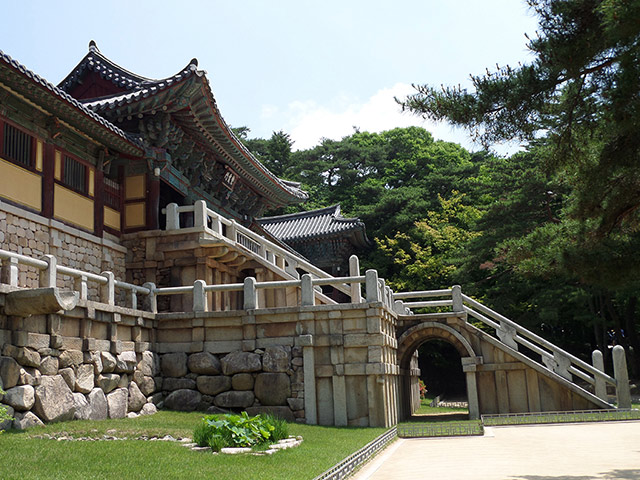
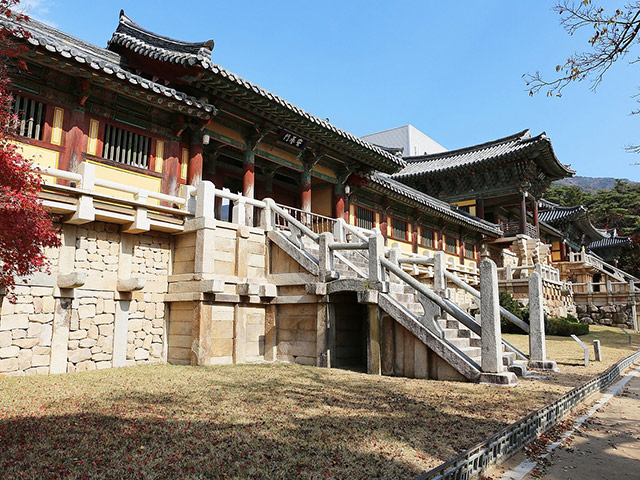
Bulguksa means "Temple of the Buddha Land". It is the most famous Buddhist temple in Korea and the home to a number of important relics from the Shilla Kingdom, including the two stone pagodas, Dabotap and Seokgatap.
Seokguram
Seokguram Grotto is a heritage which is a part of the Bulguksa temple, and the grotto overlooks the East Sea. Seokguram was added to the UNESCO World Heritage list together with the Bulguksa Temple, and it holds some of the best Buddhist Sculptures in the world.
Cheonmachong
Cheonmachong means "Heavenly Horse Tomb" and the name comes from a painting of a heavenly horse that was found during the tomb's excavation in 1973. This tomb was built for an unknown king of the Shilla Kingdom.
Cheomseongdae
Cheomseongdae means "Star-Gazing Tower" in Korean and it is the oldest existing astronomical observatory in Asia, and one of the oldest scientific installations in the world. It was constructed during the reign of Queen Seon-deok, and it was used for observing the stars in order to forecast the weather.
Explore the cultural treasures of beautiful city Gyeongju on a day trip from Busan. Visit UNESCO World Heritage sites, Bulguk Temple and Seokguram Grotto as well as other important historic places.
You will visit the UNESCO-listed Bulguksa Temple and its Seokguram Grotto, learning about the ancient Silla Kingdom. Then climb the astronomical observatory of Cheomseongdae and enjoy a Korean lunch at a local restaurant. At the end we will stop by Tumuli Park for a glimpse of Silla tombs of Cheonmachong and hear fascinating commentary from a guide Search for Silla treasures at the Gyeongju National Museum.
Busan is Korea's principal port and second largest city. As a port city, it is ranked third in the world in terms of the number of containers handled. It has numerous culturally attractive tourism resources characteristic and distinctive enough not to be found in any other city in the world. Its scenic coastal areas and clean sandy beaches located near downtown areas will add joyous memories to those who visit.
'Beomeosa
Beomeosa Temple is located halfway up Geumjeongsan Mountain. It has one thousand three hundred years old history. This temple was built by monk Ui Sang in the 18th year of King Munmu of the Silla Kingdom.
Gamcheon Culture Village
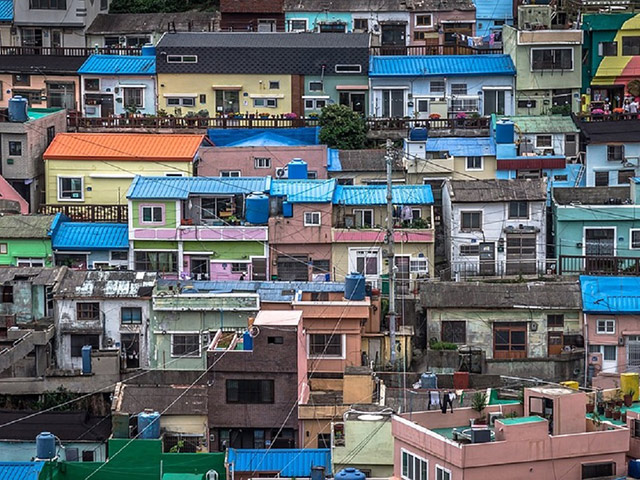
""Korea's Machu Pichu"" or ""Korea's Santorini"", these are the nicknames of the Gamcheon Culture Village and this village has many artistic collections.
Jagalchi Fish Market
This is the largest fish market in East Asia. Jagalchi Market sells diverse seafood and good quality dried fish at low prices. You can feel the humanity and vibrant of the city here.
Yongdusan Park
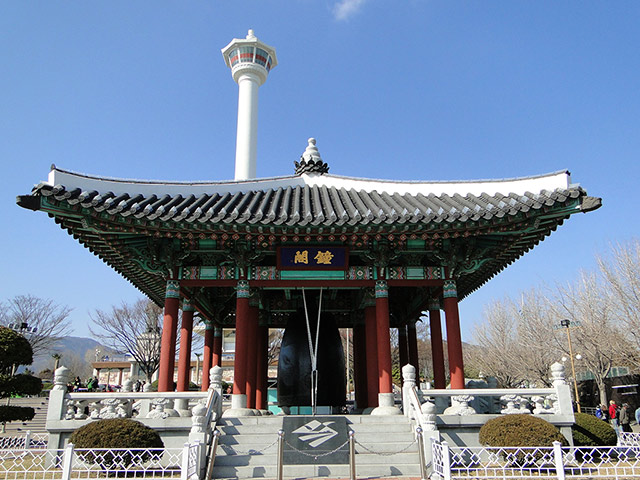
This park offers good resting place for Busan citizens. There are the Statue of Admiral Lee Sunshin, Flower Clock, the bell of new year's eve and the 120-meter high Busan Tower in the park. You can see all over Busan at the tower observatory. In addition, you can see Tsushima island, Japan, on a sunny day.
Gukje Market
This is the most important representative wholesale market in Busan. This market consists of several malls such as Ggangtong Market, Manmul Street and Changsun Shopping Mall. So this place has a lot to see. You can buy almost everything you want here and the prices are reasonable.
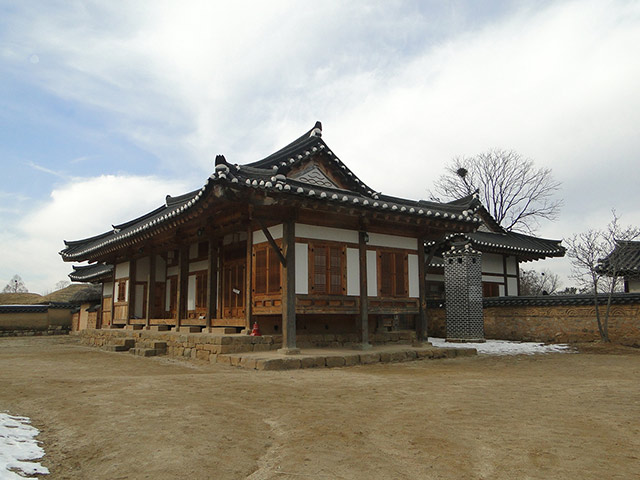
Various cultural assets including national treasures and tangible or intangible cultural heritages are well preserved in the Andong Hahoe Folk Village, and the whole village was designated as Important Folk Material No.122, also a listed UNESCO World Heritage Site since 2010. People live in every house in the village and you can enjoy the true folk culture of Korea there. They regularly provide the traditional Korean mask dance (in summer several times a week, in winter just on Wednesday).
Hahoe Folk Village
Hahoe Folk Village is a World Heritage Site by the UNESCO and one of the most famous destinations in Korea. Hahoe village is home to descendants of Pungsan Ryu clan and is well preserved for its traditional houses.
Andong Folk Museum
Andong is famous for Confucian culture, and you can see the liftstyles of the past and important cultural ceremonies at Andong Folk Museum. Andong Folk Museum has lots of exhibits based on the folk lives of the people.
First stop is Gamcheon Culture Village, also known as Machu Picchu of Korea, where refugees from Korean war settled down. There are several photo spots and street shops in the village.
Continue to the old downtown area called Nampo-Dong or Gwangbok-Ro. Discover really lively place and tons of shops along the tiny streets as well as BIFF square, Jagalchi Fish market and Gukje market which are at walking distance from the downtown area.
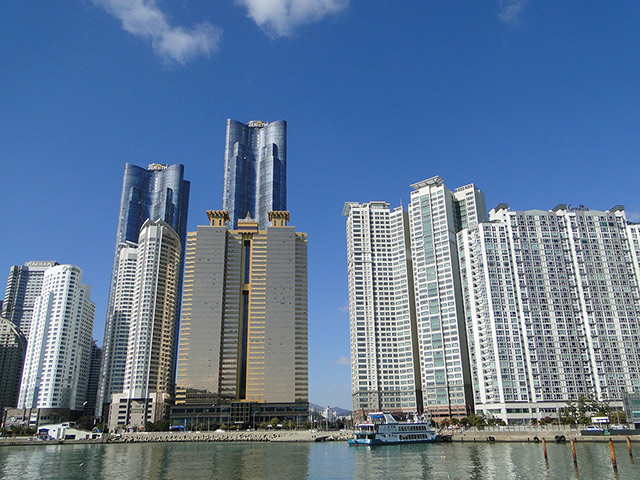
After walking around attractions, you will have a traditional Korean cuisine lunch. In the afternoon, your guide will take you to Newtown area, which has stunning ocean view and many different landmarks. First destination of the new town is Nurimaru APEC House located in the Dongbeck Island. It boasts great views of skyscrapers and Gwang - a bridge that's one of the famous landmarks in Korea.
Last stop is Haedong Yonggungsa temple, the most famous temple in Busan. The temple has a great history being built by the Goryeo Dynasty. Before getting to the temple you are coming over Dalmaji hill for a photo stope with the Haeundae beach as the background.
Busan's best-hidden secret to its charm is its night view. One way to enjoy it is to hop on the Busan City Tour's night view course that introduces parts of Busan that are best illuminated in nocturnal lights. The cruise tour takes you on a trip to the exotic night view of Busan from the sea and the brilliant lit-up fountains that paint the night in splendid hues. Summer festivals, summer night experience and marine sports from July to August are as part of the summer special series.
Hwangryeong Mountain
At night, you will have the very best night view of Busan. You can see Gwangan Beach with Gwangan Bridge, Haeundae including Nurimaru to the south and the fantastic night view of the downtown area named Seo-Myeon to the north.
Gwangan Beach
Gwangan Beach has an excellent view of teh Gwangan Bridge, and it is a great place to for lots of bars, restaurants and cafes along the beach.
Busan Cinema Center
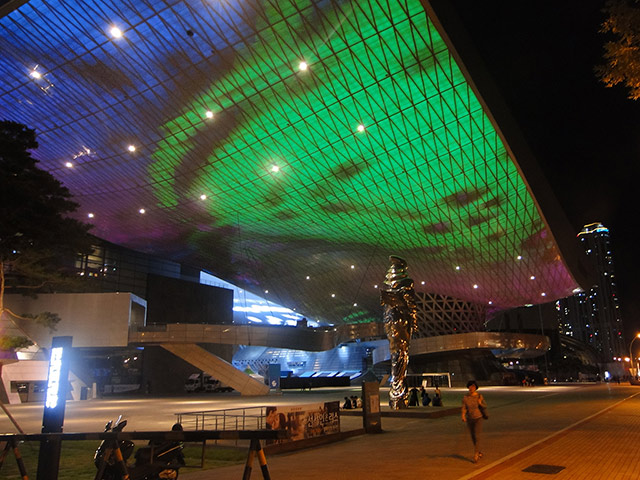
Busan Cinema Center is the official venue of the Busan International Film Festival (BIFF), where its opening and closing ceremonies are taking place.
Marine City
Marine City was constructed on land reclaimed from the sea, and now became Korea's second high-end residential complex town.
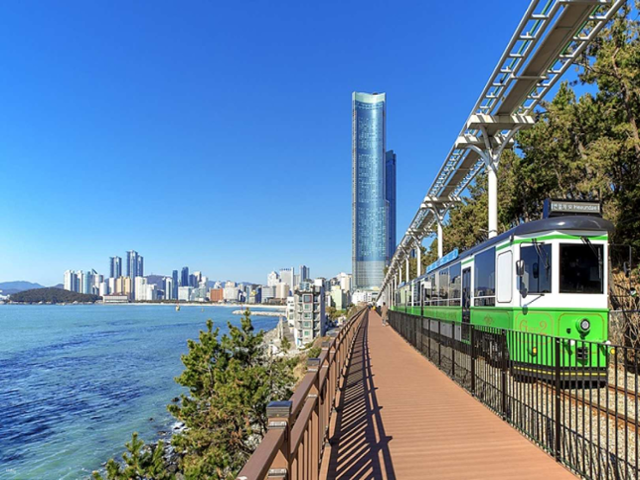
Embark on an unforgettable Busanadventure with our curated tour. Highlights include the coastal beauty of Haedong Yonggungsa Temple, the exhilarating Cheongsapo Skywalk, and the scenic Blue Line Train ride.
Explore the vibrant Gamcheon Cultural Village, indulge in street food and shopping at BIFF Street, and immerse yourself in the lively atmosphere of Jagalchi Fish Market.
This tour offers a perfect blend of cultural landmarks, local flavors, and unforgettable experiences.
Itinerary:
08:30 Hotel pickup.
09:00 Haedong Yonggungsa Temple.
10:30 Cheongsapo skywalk.
11:00 Blue line train - beach train (exclude ride fare of Sky Capsule & Beach Train).
12:30 Gamcheon cultural village & Free time for Lunch.
15:00 BIFF street - many street food and shopping.
Embark on a captivating day tour from Busan to Gyeongju, starting with a visit to the UNESCO-listed Bulguksa Temple, renowned for its exquisite architecture.
Experience traditional Korean culture at Gyochon Hanok Village before enjoying lunch on your own.
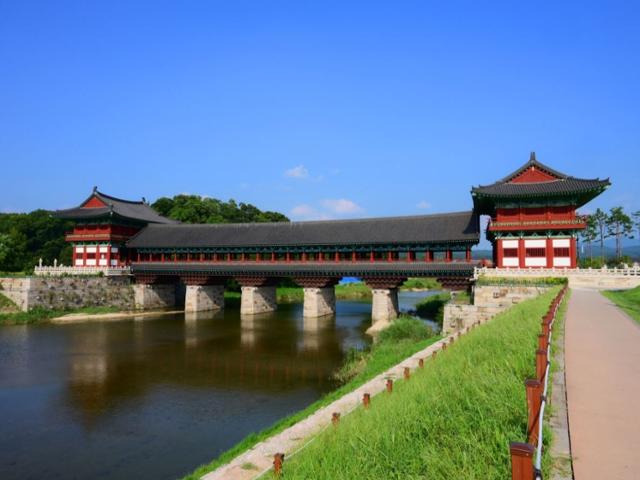
Continue to the scenic Woljeonggyo Bridge and explore the historic Daereungwon Tomb Complex and Cheomseongdae Observation Tower.
Conclude your day with a visit to Donggung Palace and Wolji Pond, admiring their serene beauty and historical charm.
Return to Busan in the evening, marking the end of your enriching journey.
Itinerary:
08:00 Pick up from the designated hotel in Busan and transfer to Gyeongju.
09:15 Arrive and visit Bulguksa Temple.
10:40 Transfer to visit Gyochon Hanok Village.
11:40 - 12:40 Lunchtime (Pay by yourself).
12:40 Transfer to visit Woljeonggyo Bridge.
13:30 Transfer to visit Daereungwon Tomb Complex & Cheomseongdae Observation.
16:00 Donggung Palace & Wolji Pond.
17:00 Car transfer back to Busan and drop off at the designated hotel in Busan. End of services.