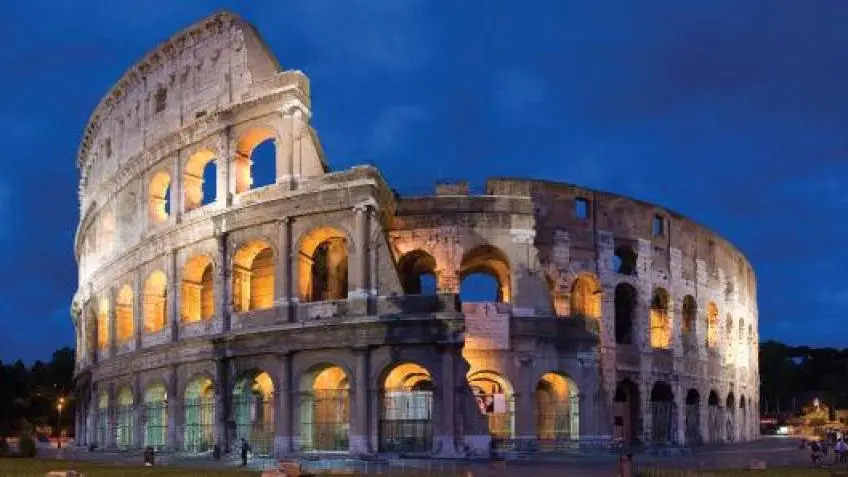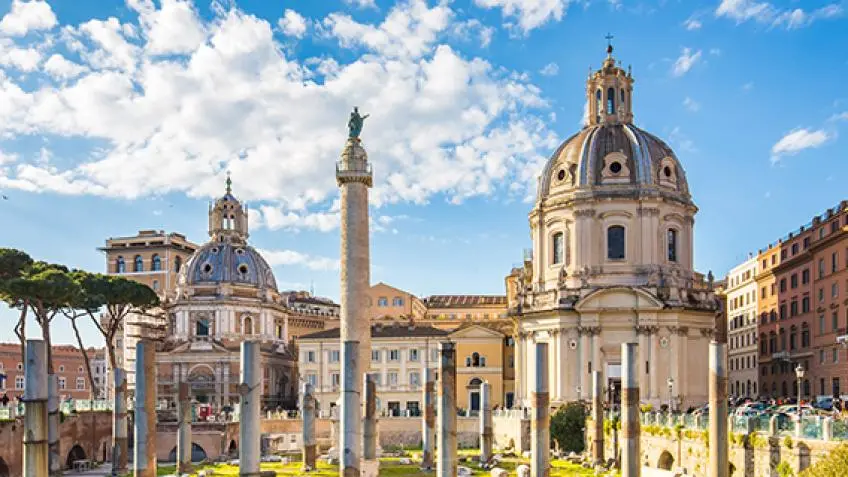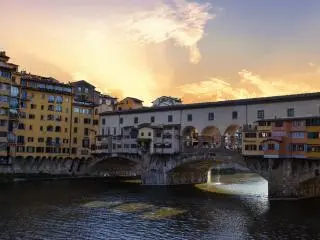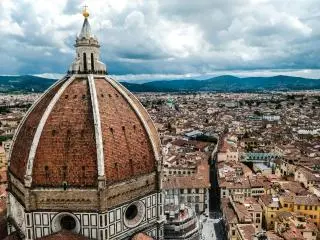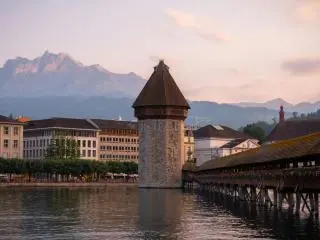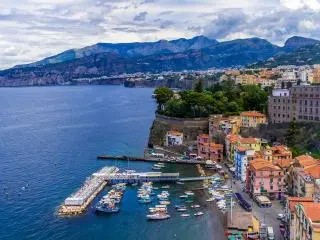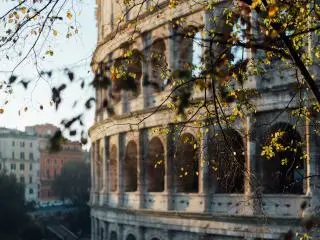
Rome starts routes in three directions. North runs through Florence, Pisa and Venice, crossing into Switzerland and France. South runs to Pompeii, Naples, the Amalfi Coast and on to Matera, staying inside Italy throughout. A third set runs one way across the continent, finishing in Paris or London rather than returning. In the city itself, day tours cover the Colosseum, the Roman Forum, the Pantheon and the Trevi Fountain, with Vatican City a separate state a short way across town.
Day tours stay in the city. Longer routes head north into the rest of Italy and beyond, or south along the coast.
| Trip | Days | You'll see | From | Best for |
|---|---|---|---|---|
| Day tours | 1 Day | The Colosseum, the Roman Forum, the Pantheon and the Trevi Fountain | $5 | Only have a day |
| Short trips | 2-4 Days | Florence, Pisa and Venice over a few days | $115 | A few days |
| Vacation packages | 5+ Days | Southern Italy and the Amalfi Coast, or routes crossing into France and Switzerland | $115 | Seeing more than one region |
North covers the rest of northern Italy, linking Florence, Pisa, Milan and Venice, and connects onward into Switzerland and France because the distances are short. South runs to Pompeii, Naples and the Amalfi Coast, continuing to Matera and Alberobello, and stays inside Italy because nothing connects onward from there. The choice is between depth in one country and breadth across several.
No, and Rome has more one-way routes than most starting points. Some run across the continent and finish in Paris or London rather than looping back, which suits travellers moving on rather than returning. Loop routes come back to Rome, and flexible routes let you choose where to leave the loop. The finishing point is stated on the tour page and is worth checking before booking anything around the trip.
Vatican City is an independent state surrounded by Rome, which is why itineraries list it separately and why routes counting countries include it as one. Reaching it means crossing the city rather than travelling anywhere, so it fits into a day in Rome. Whether entry is included, offered as an option or left as free time differs by route and is stated on the tour page.
The ancient centre holds the Colosseum, the Roman Forum and the Arch of Constantine within a short walk of each other, with Capitoline Hill above them. The Pantheon and the Trevi Fountain sit north of that in the streets of the old city, close enough to combine on foot. City day tours generally follow this line rather than covering the whole city, since the distances between the main sites are walkable.
More than at most stops on European routes. Coaches cannot enter the historic centre, so tours walk in from a drop-off point, and the ancient sites are uneven underfoot with limited shade. Summer heat makes this harder than the distances suggest. Activity level and suitability are tagged per tour rather than applied across the board, so check the tags on the route you are considering.
Routes leave in the morning, so arriving the day before rather than the same morning removes the risk of a delay costing you the departure. A full day covers the ancient centre and the old city on foot. Some routes include an airport pickup, which changes how the first day works, and where it applies the tour page says so.
Loop routes do. Some routes run one way and finish in Paris or London instead. The tour page states where each route ends.
On some routes. Where it applies, the tour page sets out the arrangement. Other routes use a city meeting point instead.
Yes. Routes run south to Pompeii, Naples, Capri, the Amalfi Coast, Matera and Alberobello. These stay inside Italy rather than crossing into other countries.
It varies by route. Some tours include entry, others view it from outside. Each tour page lists admissions before you book.
The longest cross the continent to Paris or London. Shorter ones stay in Italy or reach Switzerland and southern France. The full country list for each route is on the tour page.